Алексей Republicommando перевел для Зожника
грандиозный свежий обзор научной литературы (51 работа, список
прилагается) о пользе и вреде объема аэробных
тренировок.
То, что физические нагрузки полезны – знают почти все. Огромное количество научных данных подтверждает терапевтическое воздействие тренировок на качество жизни, здоровье сердечно-сосудистой системы (ССС) и долголетие.
То, что физические нагрузки полезны – знают почти все. Огромное количество научных данных подтверждает терапевтическое воздействие тренировок на качество жизни, здоровье сердечно-сосудистой системы (ССС) и долголетие.
Почему опасно бегать очень
много
При этом многие ошибочно считают, что чем больше – тем лучше.
Чрезмерный тренировочный объем кардионагрузок может отрицательно
сказываться на здоровье ССС. Ультрамарафонские забеги могут приводить к поражению
миокарда, о чем свидетельствуют повышенные уровни тропонина
и натрийуретического пептида головного мозга.
Кроме того, внезапная остановка сердца происходит в марафонах и триатлонах чаще, чем при состязаниях на более короткой дистанции. У марафонцев в возрасте часто выявляется ненормальное ремоделирование (структурные изменения) сердца с повышенным риском фиброза миокарда и ишемической кальцификации.
Хроническая чрезмерная физическая нагрузка связана с повышенным риском мерцательной аритмии (МА).
Кроме того, внезапная остановка сердца происходит в марафонах и триатлонах чаще, чем при состязаниях на более короткой дистанции. У марафонцев в возрасте часто выявляется ненормальное ремоделирование (структурные изменения) сердца с повышенным риском фиброза миокарда и ишемической кальцификации.
Хроническая чрезмерная физическая нагрузка связана с повышенным риском мерцательной аритмии (МА).
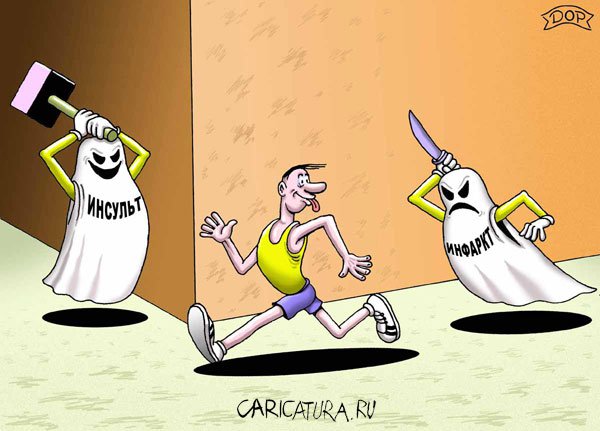
Сколько бегать полезно, а сколько –
вредно
Оптимальная доза кардионагрузок, вероятно, различается у разных
людей, и на данный момент точно не определена. Пока что текущие
исследования указывают на то, что 2,5-5 часов умеренной или интенсивной
физической активности в неделю принесут максимальную
пользу;
А вот >10 часов/неделю могут уже снижать эту пользу для здоровья.
И наоборот – малоподвижный образ жизни и лишний вес помимо того, что могут быть причинами преждевременной смерти и нетрудоспособности, несут множество неблагоприятных последствий, особенно для сердечно-сосудистой системы (ССС). Около половины взрослого населения США сегодня страдают той или иной формой ССЗ {1}.
Физнагрузка – один из мощных инструментов профилактики сердечно-сосудистых заболеваний {2}, и вместе с улучшением состояния ССС предотвращается развитие и снижаются степень тяжести ишемической болезни сердца (ИБС) и уменьшается риск других заболеваний.
Есть такой показатель – МЕТ – “метаболический эквивалент физической активности” (вот тут, например, можно прочесть про него подробнее). Каждый дополнительная единица MET снижает смертность от всех причин на 30% у нетренированных людей (у которых изначально <5 MET физических нагрузок) {3}.
А вот еще серьезная цифра: физически активные люди среднего возраста в среднем проживут на 8 лет больше, чем «сидячие»; а пациентам с диагностированными ССЗ проведение кардиореабилитации улучшает прогнозы и качество жизни {4}.
Физические упражнения положительно влияют практически на каждый аспект работы тела и мозга, улучшая физическое и психическое самочувствие; оставаться физически активным – один из лучших способов поддерживать здоровье и увеличивать продолжительность жизни.
Хотя идеальная доза физических упражнений пока не определена, очевидно, что не менее половины американцев не набирают рекомендованных 150 минут умеренной физической активности в неделю.
Значительную пользу в отношении продолжительности жизни дает даже физическая активность малой или средней интенсивности в течение всего лишь 15 минут в день, что составляет примерно половину рекомендованной минимальной дозы, при этом наиболее резкое снижение рисков наблюдается при переходе от полностью сидячего образа жизни к слегка активному {7}. С другой стороны, около 2,5% взрослых американцев перебирают с тренировками, тем самым подвергая себя потенциальным пагубным последствиям для здоровья {7}.
Тема оптимальной дозы физических нагрузок для обеспечения наилучшего здоровья и наибольшей продолжительности жизни активно обсуждается в научной литературе. Цель настоящей статьи – прояснить этот вопрос, сосредоточив внимание на совокупности накопленных данных .
А вот >10 часов/неделю могут уже снижать эту пользу для здоровья.
И наоборот – малоподвижный образ жизни и лишний вес помимо того, что могут быть причинами преждевременной смерти и нетрудоспособности, несут множество неблагоприятных последствий, особенно для сердечно-сосудистой системы (ССС). Около половины взрослого населения США сегодня страдают той или иной формой ССЗ {1}.
Физнагрузка – один из мощных инструментов профилактики сердечно-сосудистых заболеваний {2}, и вместе с улучшением состояния ССС предотвращается развитие и снижаются степень тяжести ишемической болезни сердца (ИБС) и уменьшается риск других заболеваний.
Есть такой показатель – МЕТ – “метаболический эквивалент физической активности” (вот тут, например, можно прочесть про него подробнее). Каждый дополнительная единица MET снижает смертность от всех причин на 30% у нетренированных людей (у которых изначально <5 MET физических нагрузок) {3}.
А вот еще серьезная цифра: физически активные люди среднего возраста в среднем проживут на 8 лет больше, чем «сидячие»; а пациентам с диагностированными ССЗ проведение кардиореабилитации улучшает прогнозы и качество жизни {4}.
Физические упражнения положительно влияют практически на каждый аспект работы тела и мозга, улучшая физическое и психическое самочувствие; оставаться физически активным – один из лучших способов поддерживать здоровье и увеличивать продолжительность жизни.
Хотя идеальная доза физических упражнений пока не определена, очевидно, что не менее половины американцев не набирают рекомендованных 150 минут умеренной физической активности в неделю.
Значительную пользу в отношении продолжительности жизни дает даже физическая активность малой или средней интенсивности в течение всего лишь 15 минут в день, что составляет примерно половину рекомендованной минимальной дозы, при этом наиболее резкое снижение рисков наблюдается при переходе от полностью сидячего образа жизни к слегка активному {7}. С другой стороны, около 2,5% взрослых американцев перебирают с тренировками, тем самым подвергая себя потенциальным пагубным последствиям для здоровья {7}.
Тема оптимальной дозы физических нагрузок для обеспечения наилучшего здоровья и наибольшей продолжительности жизни активно обсуждается в научной литературе. Цель настоящей статьи – прояснить этот вопрос, сосредоточив внимание на совокупности накопленных данных .
Кривая эффекта кардионагрузок
Оптимальная доза физических нагрузок, приносящая максимальную
пользу здоровью, нам пока неизвестна {15}. Еще 2500 лет назад
Гиппократ учил: «Если бы мы могли дать каждому человеку нужное
количество пищи и упражнений – не слишком мало и не слишком много –
мы бы нашли самый безопасный путь к здоровью» {7}. Уже тогда ученые
понимали, что оптимальным для улучшения самочувствия и
продолжительности жизни будет некий диапазон, меньший или больший
тренировочный объем снижает пользу.
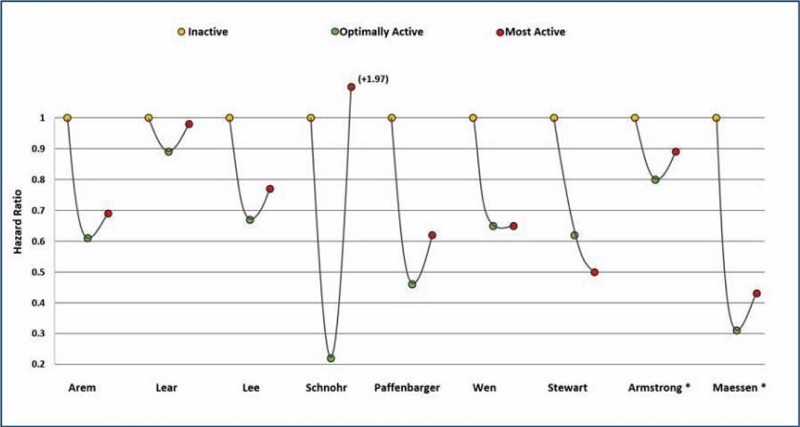
Паффенбаргер еще в 1986 году описывал связь между физической активностью (ходьба, подъем по лестнице и спортивные игры) и смертностью от всех причин с помощью отраженной J-кривой. В ходе исследования наблюдали 16 936 выпускников Гарварда в течение 16 лет и выявили, зависимость, что умеренная нагрузка снижает риски больше всего {16}.
С тех пор многочисленные крупные наблюдательные исследования, охватывающие в совокупности более 3 миллионов человек, показали аналогичные результаты, свидетельствующие о том, что, по всей вероятности, существует верхний порог, при котором очень высокие дозы интенсивных физических упражнений, по-видимому, ассоциируются с утратой некоторых преимуществ в плане продолжительности жизни, связанных с менее экстремальными дозами интенсивных физических упражнений.
Как показано на графике ниже, почти все крупные наблюдения воспроизводят эту отраженную J-кривую. В ней показано, как риски ССЗ и преждевременной смертности снижаются в зависимости от дозы до тех пор, пока не будет превышен порог активности, после чего польза снижается. Во многих исследованиях это снижение риска не является статистически значимым из-за небольшого числа лиц в «экстремальной» когорте, тем не менее эта взаимосвязь многократно выявляется; в самых масштабных исследованиях уменьшение пользы для здоровья, отмечаемое при чрезвычайно высоких дозах физических нагрузок, остается статистически значимым {8}.
Паффенбаргер еще в 1986 году описывал связь между физической активностью (ходьба, подъем по лестнице и спортивные игры) и смертностью от всех причин с помощью отраженной J-кривой. В ходе исследования наблюдали 16 936 выпускников Гарварда в течение 16 лет и выявили, зависимость, что умеренная нагрузка снижает риски больше всего {16}.
С тех пор многочисленные крупные наблюдательные исследования, охватывающие в совокупности более 3 миллионов человек, показали аналогичные результаты, свидетельствующие о том, что, по всей вероятности, существует верхний порог, при котором очень высокие дозы интенсивных физических упражнений, по-видимому, ассоциируются с утратой некоторых преимуществ в плане продолжительности жизни, связанных с менее экстремальными дозами интенсивных физических упражнений.
Как показано на графике ниже, почти все крупные наблюдения воспроизводят эту отраженную J-кривую. В ней показано, как риски ССЗ и преждевременной смертности снижаются в зависимости от дозы до тех пор, пока не будет превышен порог активности, после чего польза снижается. Во многих исследованиях это снижение риска не является статистически значимым из-за небольшого числа лиц в «экстремальной» когорте, тем не менее эта взаимосвязь многократно выявляется; в самых масштабных исследованиях уменьшение пользы для здоровья, отмечаемое при чрезвычайно высоких дозах физических нагрузок, остается статистически значимым {8}.
Каждая кривая – это одно
исследование. По вертикали – уровень риска, желтая точка – нет
физической активности, зеленая – оптимальный уровень активности,
красная – максимальная активность.
Влияние нагрузки на различные
заболевания
Аритмия: увеличивается
примерно в 5 раз у спортсменов-ветеранов по бегу
Физические упражнения ассоциируются с положительными адаптациями
ССЗ, включая расширение всех камер сердца, улучшение функции,
повышение податливости сердечной и сосудистой стенки, синусовую
брадикардию и т.д. .
Но при этом хорошо задокументировано учащение случаев мерцательной аритмии (МА) у выносливостных спортсменов. Обследование 300 бегунов-ветеранов (средний возраст 47,5 лет) выявило 5-кратное увеличение заболеваемости МА по сравнению с сидячей контрольной группой {19}. С тех пор в исследованиях находили связь МА с более интенсивными протоколами тренировок, меньшим финишным временем и абсолютным количеством завершенных забегов {20}.
Длительное увлечение тренировками на выносливость (≥2000 часов и/или ≥20 лет тренировок) сильно коррелирует с МА даже у лиц, не имевших факторов риска ССЗ .
Хотя авторы отдельных исследований заключали, что вероятность возникновения МА может возрастать в 2-10 раз, недавний метаанализ количественно определил, что риск увеличивается приблизительно в 5 раз {23}.
Как и во многих других случаях, умеренные дозы физической активности предотвращают МА, в то время как слишком низкие и высокие объемы связаны с повышенным риском развития МА.
У малоактивных людей (<6 МЕТ) повышенный уровень развития МА (по сравнению с более спортивными), и каждый дополнительный 1 МЕТ ассоциируется со снижением риска развития МА на 7% {24}.
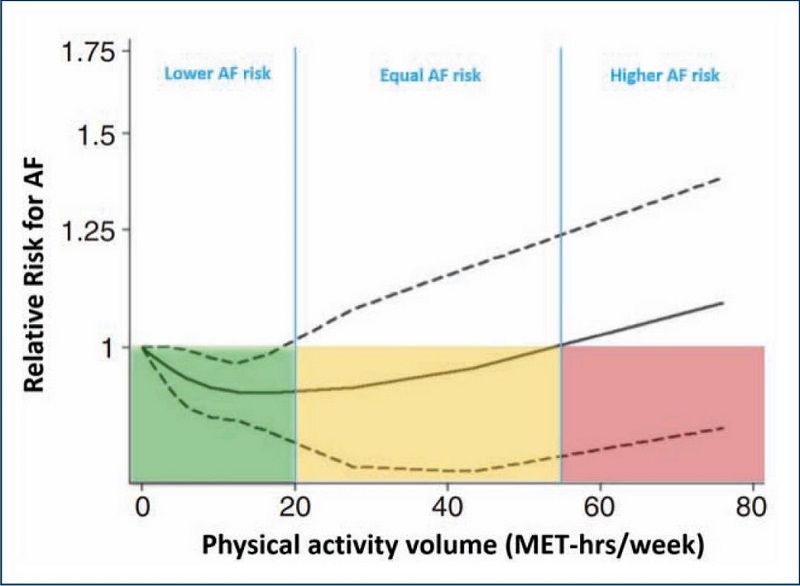
Что касается недельной дозы физической активности, то даже небольшие объемы, начиная с 5 MET-часов/неделю, по-видимому, снижают риск развития МА, при этом максимальная польза наблюдается при 20 MET-часах/неделе (смотрите график ниже) {25}.
При превышении 55 MET-часов/неделю, что приблизительно равно 10 часам интенсивных физических нагрузок в неделю, вероятность развития МА начинает превышать риски сидячей когорты {25}.
Но при этом хорошо задокументировано учащение случаев мерцательной аритмии (МА) у выносливостных спортсменов. Обследование 300 бегунов-ветеранов (средний возраст 47,5 лет) выявило 5-кратное увеличение заболеваемости МА по сравнению с сидячей контрольной группой {19}. С тех пор в исследованиях находили связь МА с более интенсивными протоколами тренировок, меньшим финишным временем и абсолютным количеством завершенных забегов {20}.
Длительное увлечение тренировками на выносливость (≥2000 часов и/или ≥20 лет тренировок) сильно коррелирует с МА даже у лиц, не имевших факторов риска ССЗ .
Хотя авторы отдельных исследований заключали, что вероятность возникновения МА может возрастать в 2-10 раз, недавний метаанализ количественно определил, что риск увеличивается приблизительно в 5 раз {23}.
Как и во многих других случаях, умеренные дозы физической активности предотвращают МА, в то время как слишком низкие и высокие объемы связаны с повышенным риском развития МА.
У малоактивных людей (<6 МЕТ) повышенный уровень развития МА (по сравнению с более спортивными), и каждый дополнительный 1 МЕТ ассоциируется со снижением риска развития МА на 7% {24}.
Что касается недельной дозы физической активности, то даже небольшие объемы, начиная с 5 MET-часов/неделю, по-видимому, снижают риск развития МА, при этом максимальная польза наблюдается при 20 MET-часах/неделе (смотрите график ниже) {25}.
При превышении 55 MET-часов/неделю, что приблизительно равно 10 часам интенсивных физических нагрузок в неделю, вероятность развития МА начинает превышать риски сидячей когорты {25}.
По вертикали – относительный риск МА, по
горизонтали – объем физической активности (МЕТ-час/неделя), зеленая
зона – снижение риска, желтая – приблизительно равные риски,
красная – повышение риска.
Миокардиальный фиброз
Миокардиальный фиброз – это неспецифическая реакция на различные
повреждения сердца, такие как: острый инфаркт миокарда , миокардит,
неконтролируемая гипертония и дисфункция клапанов. Патологический
фиброз сердца предрасполагает к ригидности миокарда, аритмии и иным
неблагоприятным последствиям {31}. Фиброз миокарда лучше всего
выявляется с помощью магнитно-резонансной томографии сердца (МРТ),
особенно в случае
позднего накопления гадолиния
(ПНГ).
Хронические перегрузки тренировками на выносливость увеличивают риск выявления ПНГ, это было обнаружено у здоровых, бессимптомных выносливостных спортсменов . Кроме того, ПНГ значительно и напрямую коррелирует с тренировочным опытом (в годах) и количеством завершенных марафонов и иных соревнований с ультравысокими требованиями к выносливости .
Во время напряженной тренировки сердечный выброс увеличивается приблизительно в 5 раз по сравнению со значениями в покое (с 5 л/мин до 25 л/мин и более), что приводит к непропорционально распределённой нагрузке на сердце с увеличением нагрузки на стенки на 125% по сравнению с 4% на правый и левый желудочки {35}.
Такие нагрузки в сочетании с устойчивым повышением уровня катехоламинов и реактивных видов кислорода, вероятно, вызывают кумулятивные травмы в миокарде, что в конечном итоге приводит к рубцеванию, что показывает ПНГ.
Наличие ПНГ может быть выявлено при анализе числа ультрамарафонов, в которых принимал участие спортсмен, или степени тяжести кальциноза коронарных артерий {34}.
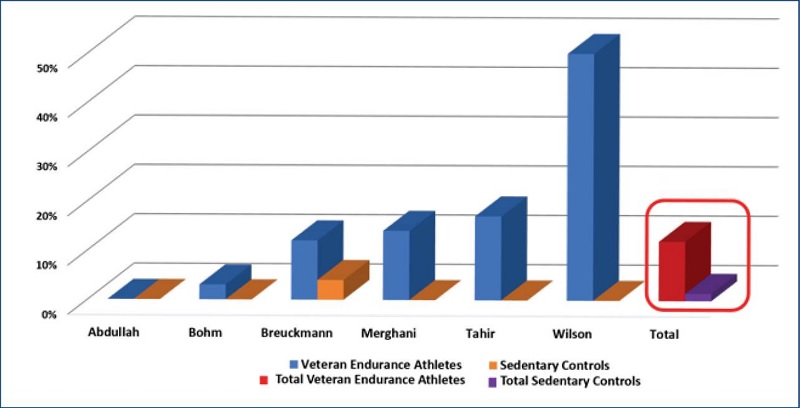
Совокупные данные МРТ сердца показывают, что ПНГ встречается у спортсменов в видах спорта на выносливость в 12% случаев, что в 8 раз выше, чем 1,5% у контрольной группы с минимальной дозой физической активности, рекомендованной ВОЗ (см график ниже) {15}.
Хронические перегрузки тренировками на выносливость увеличивают риск выявления ПНГ, это было обнаружено у здоровых, бессимптомных выносливостных спортсменов . Кроме того, ПНГ значительно и напрямую коррелирует с тренировочным опытом (в годах) и количеством завершенных марафонов и иных соревнований с ультравысокими требованиями к выносливости .
Во время напряженной тренировки сердечный выброс увеличивается приблизительно в 5 раз по сравнению со значениями в покое (с 5 л/мин до 25 л/мин и более), что приводит к непропорционально распределённой нагрузке на сердце с увеличением нагрузки на стенки на 125% по сравнению с 4% на правый и левый желудочки {35}.
Такие нагрузки в сочетании с устойчивым повышением уровня катехоламинов и реактивных видов кислорода, вероятно, вызывают кумулятивные травмы в миокарде, что в конечном итоге приводит к рубцеванию, что показывает ПНГ.
Наличие ПНГ может быть выявлено при анализе числа ультрамарафонов, в которых принимал участие спортсмен, или степени тяжести кальциноза коронарных артерий {34}.
Совокупные данные МРТ сердца показывают, что ПНГ встречается у спортсменов в видах спорта на выносливость в 12% случаев, что в 8 раз выше, чем 1,5% у контрольной группы с минимальной дозой физической активности, рекомендованной ВОЗ (см график ниже) {15}.
Синий столбец – возрастные
спортсмены на выносливость, красный – всего возрастных спортсменов,
оранжевый – сидячая контрольная группа, фиолетовый – всего сидячих
контрольных участников. Взято из работы Франклина и др. {15}
Кальциноз
коронарных артерий
Большой массив данных показывает, что количество кальция в
коронарных артериях является точным предсказателем риска ССЗ {37}.
Парадоксально, но, несмотря на то, что физические упражнения
снижают риск ИБС, слишком большой
объем тренировок на выносливость, по-видимому, значительно
увеличивают кальциноз, что вновь возвращает нас к графику с
отраженной J-кривой (Рис. 4) {38}.
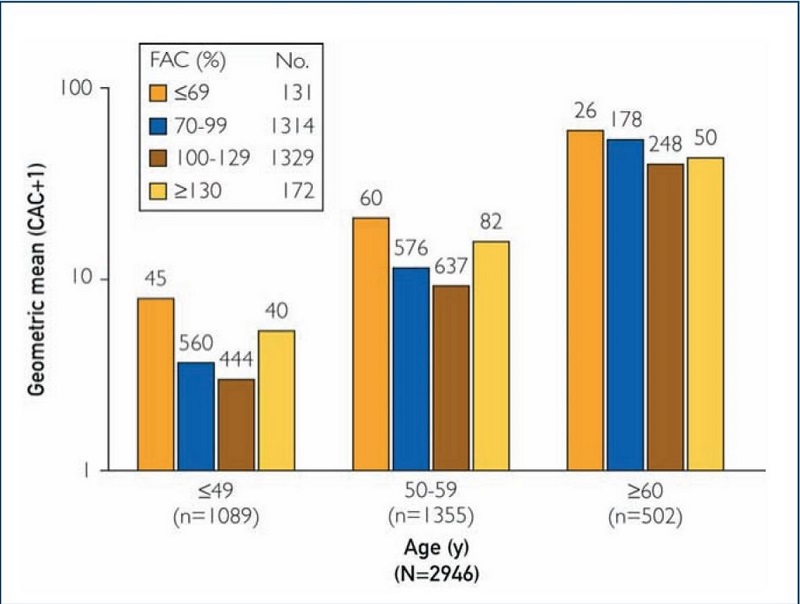
У спортсменов в возрасте 54±8 лет атеросклеротических бляшек примерно в 2 раза больше, чем у контрольной группы; также у этих спортсменов выше степень кальциноза {39}.
У спортсменов в возрасте 54±8 лет атеросклеротических бляшек примерно в 2 раза больше, чем у контрольной группы; также у этих спортсменов выше степень кальциноза {39}.
По вертикали – степень кальциноза
коронарных артерий, на горизонтали – возраст в годах (y) и
количество участников (n).
Ассоциация уровня физической подготовки со степенью кальциноза коронарных артерий. CAC = кальциноз коронарных артерий; FAC = функциональная аэробная работоспособность. Взято из работы Кермотта и др. {38}
В целом, исследования подтвердили, что у выносливостных спортсменов в возрасте выше уровень коронарной кальцификации, чем у сидячей контрольной группы, но у них обычно меньше опасных бляшек смешанного кальцификационного и липидного происхождения . Несмотря на это, у высокоактивных индивидуумов выявляется незначительная тенденция к снижению смертности по сравнению с менее активной когортой {40}.
Ассоциация уровня физической подготовки со степенью кальциноза коронарных артерий. CAC = кальциноз коронарных артерий; FAC = функциональная аэробная работоспособность. Взято из работы Кермотта и др. {38}
В целом, исследования подтвердили, что у выносливостных спортсменов в возрасте выше уровень коронарной кальцификации, чем у сидячей контрольной группы, но у них обычно меньше опасных бляшек смешанного кальцификационного и липидного происхождения . Несмотря на это, у высокоактивных индивидуумов выявляется незначительная тенденция к снижению смертности по сравнению с менее активной когортой {40}.
Острые риски, связанные с
интенсивными нагрузками
До 90% всех внезапных сердечных
смертей (ВСС), связанных с
физическими упражнениями, происходят у любителей, а не у
соревнующихся спортсменов, причем частота таких смертей
составляет от 1:22000 до 1:69000 у взрослых, по сравнению с 1:50000
у молодых спортсменов, участвующих в соревнованиях . Риск ВСС
наиболее высок во время и сразу после тренировки {15}. В одном
исследовании обнаружили, что риск ВСС кратковременно повышается в
17 раз во время и в течение 30 минут после окончания интенсивной
тренировки.
Этот риск намного выше у менее активных людей по сравнению с теми, кто тренировался чаще (относительный риск 74 против 11) {15}. В другом исследовании также выявили, что у сидячей когорты риск ВСС в 25 раз выше, чем у тех, кто хотя бы немного тренировался {15}.
У спортсменов старше 35 лет более 80% ВСС были вызваны ишемической болезнью сердца (ИБС); в то время как среди более молодых спортсменов (< 35 лет) наиболее распространенными причинами ВСС были врожденные аномалии сердечной мышцы, коронарных сосудов и проводящей системы {45}.
Более продолжительные и физически трудные забеги, по-видимому, повышают риск ВСС. Данные почти 11 млн. участников забегов на большие дистанции свидетельствуют о более высокой распространенности ВСС в марафонах (1,01/100000) по сравнению с полумарафонами (0,27/100000). Лишь 29% пострадавших смогли пережить остановку сердца {46}.
Стоит отметить, что смертность мужчин более чем в 2 раза превысила смертность женщин (0,98 против 0,41/100000) {47}.
Сообщается, что показатель ВСС у триатлонистов выше, чем у марафонцев. При анализе данных 4,7 млн. триатлонистов частота ВСС составила 1,74/100000 {48}.
Как и в марафонах, риск для мужчин в 3 раза выше, чем для женщин (2,40 против 0,74/100000).
Кроме того, в 3 раза выше риски для мужчин старше 40 лет по сравнению с более молодыми участниками {48}.
Острый инфаркт миокарда (ИМ) также чаще случается во время или вскоре после интенсивных тренировок. В ряде исследований обнаружено, что риск ИМ увеличивается в 2-10 раз в течение часа после физической нагрузки {15}.
Нагрузки на выносливость, включая марафоны и ультрамарафоны, влияют на ряд биомаркеров сердечно-сосудистых заболеваний. В исследовании с участием 40 спортсменов (марафон, триатлон, горный велоспорт) обнаружилось, что фракция выброса правого желудочка после гонки уменьшилась на 9%. Регулярные воздействия напряженных тренировок на правый желудочек могут вызывать некроз миокарда, что в конечном итоге приводит к рубцеванию и необратимому ремоделированию, создавая предпосылки для аритмий. Приблизительный объем физических нагрузок, приводящий к этому эффекту, предположительно составляет >20 часов в неделю в течение >20 лет {43}.
Этот риск намного выше у менее активных людей по сравнению с теми, кто тренировался чаще (относительный риск 74 против 11) {15}. В другом исследовании также выявили, что у сидячей когорты риск ВСС в 25 раз выше, чем у тех, кто хотя бы немного тренировался {15}.
У спортсменов старше 35 лет более 80% ВСС были вызваны ишемической болезнью сердца (ИБС); в то время как среди более молодых спортсменов (< 35 лет) наиболее распространенными причинами ВСС были врожденные аномалии сердечной мышцы, коронарных сосудов и проводящей системы {45}.
Более продолжительные и физически трудные забеги, по-видимому, повышают риск ВСС. Данные почти 11 млн. участников забегов на большие дистанции свидетельствуют о более высокой распространенности ВСС в марафонах (1,01/100000) по сравнению с полумарафонами (0,27/100000). Лишь 29% пострадавших смогли пережить остановку сердца {46}.
Стоит отметить, что смертность мужчин более чем в 2 раза превысила смертность женщин (0,98 против 0,41/100000) {47}.
Сообщается, что показатель ВСС у триатлонистов выше, чем у марафонцев. При анализе данных 4,7 млн. триатлонистов частота ВСС составила 1,74/100000 {48}.
Как и в марафонах, риск для мужчин в 3 раза выше, чем для женщин (2,40 против 0,74/100000).
Кроме того, в 3 раза выше риски для мужчин старше 40 лет по сравнению с более молодыми участниками {48}.
Острый инфаркт миокарда (ИМ) также чаще случается во время или вскоре после интенсивных тренировок. В ряде исследований обнаружено, что риск ИМ увеличивается в 2-10 раз в течение часа после физической нагрузки {15}.
Нагрузки на выносливость, включая марафоны и ультрамарафоны, влияют на ряд биомаркеров сердечно-сосудистых заболеваний. В исследовании с участием 40 спортсменов (марафон, триатлон, горный велоспорт) обнаружилось, что фракция выброса правого желудочка после гонки уменьшилась на 9%. Регулярные воздействия напряженных тренировок на правый желудочек могут вызывать некроз миокарда, что в конечном итоге приводит к рубцеванию и необратимому ремоделированию, создавая предпосылки для аритмий. Приблизительный объем физических нагрузок, приводящий к этому эффекту, предположительно составляет >20 часов в неделю в течение >20 лет {43}.
Выводы: нагрузки для здоровья должны
быть умеренные
- Для снижения риска возникновения сердечно-сосудистых заболеваний и увеличения продолжительности жизни полезны регулярные тренировки умеренной интенсивности.
- Слишком высокие объемы интенсивных тренировок снижают пользу, которую приносят менее экстремальные дозы.
- Лучшие формы физических упражнений для улучшения психического здоровья и долголетия – социальные виды спорта, такие как теннис, гольф, бадминтон, футбол, баскетбол, волейбол и прочие, которые не только улучшают физическую форму, но и укрепляют межличностные связи и, как правило, снимают стресс {51}.
Имеющиеся данные не позволяют однозначно рекомендовать
спортсменам-любителям снижать объем физических нагрузок, особенно
если их занятия повышают качество жизни или позволяют успешно
состязаться, поскольку риски пока остаются достаточно
неопределенными.
От редакции Зожника добавим: не стремитесь испытывать физические пределы своего организма – ни резкими нагрузками, ни максимально продолжительными, если конечно, хотите прожить дольше и качественнее.
Перевод для Зожника: Алексей Republicommando
Упомянутые исследования:
1. Benjamin EJ, Muntner P, Alonso A, et al. Heart Disease and Stroke Statistics-2019 Update: A Report From the American Heart Association. Circulation. 2019 Mar 5;139(10):e56–e528.
2. Thompson PD, Buchner D, Pina IL, et al. Exercise and physical activity in the prevention and treatment of atherosclerotic cardiovascular disease: a statement from the Council on Clinical Cardiology (Subcommittee on Exercise, Rehabilitation, and Prevention) and the Council on Nutrition, Physical Activity, and Metabolism (Subcommittee on Physical Activity) Circulation. 2003 Jun 24;107(24):3109–3116.
3. Martin BJ, Arena R, Haykowsky M, et al. Cardiovascular fitness and mortality after contemporary cardiac rehabilitation. Mayo Clin Proc. 2013 May;88(5):455–463.
4. Li Y, Pan A, Wang DD, et al. Impact of Healthy Lifestyle Factors on Life Expectancies in the US Population. Circulation. 2018 Jul 24;138(4):345–355.
5. Boden WE, Franklin BA, Wenger NK. Physical activity and structured exercise for patients with stable ischemic heart disease. JAMA. 2013 Jan 9;309(2):143–144.
6. Wen CP, Wai JP, Tsai MK, et al. Minimum amount of physical activity for reduced mortality and extended life expectancy: a prospective cohort study. Lancet. 2011 Oct 1;378(979😎:1244–1253.
7. O’Keefe JH, O’Keefe EL, Lavie CJ. The Goldilocks Zone for Exercise: Not Too Little, Not Too Much. Mo Med. 2018 Mar-Apr;115(2):98–105.
8. Armstrong ME, Green J, Reeves GK, Beral V, Cairns BJ Million Women Study C. Frequent physical activity may not reduce vascular disease risk as much as moderate activity: large prospective study of women in the United Kingdom. Circulation. 2015 Feb 24;131(😎:721–729.
9. Arem H, Moore SC, Patel A, et al. Leisure time physical activity and mortality: a detailed pooled analysis of the dose-response relationship. JAMA Intern Med. 2015 Jun;175(6):959–967.
10. Lee DC, Pate RR, Lavie CJ, Sui X, Church TS, Blair SN. Leisure-time running reduces all-cause and cardiovascular mortality risk. J Am Coll Cardiol. 2014 Aug 5;64(5):472–481.
11. Lear SA, Hu W, Rangarajan S, et al. The effect of physical activity on mortality and cardiovascular disease in 130 000 people from 17 high-income, middle-income, and low-income countries: the PURE study. Lancet. 2017 Dec 16;390(10113):2643–2654.
12. Schnohr P, O’Keefe JH, Marott JL, Lange P, Jensen GB. Dose of jogging and long-term mortality: the Copenhagen City Heart Study. J Am Coll Cardiol. 2015 Feb 10;65(5):411–419.
13. Maessen MF, Verbeek AL, Bakker EA, Thompson PD, Hopman MT, Eijsvogels TM. Lifelong Exercise Patterns and Cardiovascular Health. Mayo Clin Proc. 2016 Jun;91(6):745–754.
14. Williams PT, Thompson PD. Increased cardiovascular disease mortality associated with excessive exercise in heart attack survivors. Mayo Clin Proc. 2014 Sep;89(9):1187–1194.
15. Franklin BA, Thompson PD, Al-Zaiti SS, et al. Exercise-Related Acute Cardiovascular Events and Potential Deleterious Adaptations Following Long-Term Exercise Training: Placing the Risks Into Perspective-An Update: A Scientific Statement From the American Heart Association. Circulation. 2020 Feb 26; CIR0000000000000749.
16. Paffenbarger RS, Jr, Hyde RT, Wing AL, Hsieh CC. Physical activity, all-cause mortality, and longevity of college alumni. The New England journal of medicine. 1986 Mar 6;314(10):605–613. 17. Hellsten Y, Nyberg M. Cardiovascular Adaptations to Exercise Training. Compr Physiol. 2015 Dec 15;6(1):1–32.
18. Sharma S, Drezner JA, Baggish A, et al. International recommendations for electrocardiographic interpretation in athletes. Eur Heart J. 2018 Apr 21;39(16):1466–1480.
19. Karjalainen J, Kujala UM, Kaprio J, Sarna S, Viitasalo M. Lone atrial fibrillation in vigorously exercising middle aged men: case-control study. BMJ. 1998 Jun 13;316(7147):1784–1785.
20. Andersen K, Farahmand B, Ahlbom A, et al. Risk of arrhythmias in 52 755 long-distance cross-country skiers: a cohort study. Eur Heart J. 2013 Dec;34(47):3624–3631.
21. Calvo N, Ramos P, Montserrat S, et al. Emerging risk factors and the dose-response relationship between physical activity and lone atrial fibrillation: a prospective case-control study. Europace. 2016 Jan;18(1):57–63.
22. Myrstad M, Nystad W, Graff-Iversen S, et al. Effect of years of endurance exercise on risk of atrial fibrillation and atrial flutter. Am J Cardiol. 2014 Oct 15;114(😎:1229–1233.
23. Abdulla J, Nielsen JR. Is the risk of atrial fibrillation higher in athletes than in the general population? A systematic review and meta-analysis. Europace. 2009 Sep;11(9):1156–1159.
24. Qureshi WT, Alirhayim Z, Blaha MJ, et al. Cardiorespiratory Fitness and Risk of Incident Atrial Fibrillation: Results From the Henry Ford Exercise Testing (FIT) Project. Circulation. 2015 May 26;131(21):1827–1834.
25. Ricci C, Gervasi F, Gaeta M, Smuts CM, Schutte AE, Leitzmann MF. Physical activity volume in relation to risk of atrial fibrillation. A non-linear meta-regression analysis. Eur J Prev Cardiol. 2018 May;25(😎:857–866.
26. Baldesberger bS, Bauersfeld U, Candinas R, et al. Sinus node disease and arrhythmias in the long-term follow-up of former professional cyclists. Eur Heart J. 2008 Jan;29(1):71–78.
27. Heidbuchel H, Anne W, Willems R, Adriaenssens B, Van de Werf F, Ector H. Endurance sports is a risk factor for atrial fibrillation after ablation for atrial flutter. Int J Cardiol. 2006 Feb 8;107(1):67–72.
28. Biffi A, Pelliccia A, Verdile L, et al. Long-term clinical significance of frequent and complex ventricular tachyarrhythmias in trained athletes. J Am Coll Cardiol. 2002 Aug 7;40(3):446–452.
29. La Gerche A, Claessen G, Dymarkowski S, et al. Exercise-induced right ventricular dysfunction is associated with ventricular arrhythmias in endurance athletes. Eur Heart J. 2015 Aug 7;36(30):1998–2010.
30. Heidbuchel H, Prior DL, La Gerche A. Ventricular arrhythmias associated with long-term endurance sports: what is the evidence? Br J Sports Med. 2012 Nov;46(Suppl 1):i44–50.
31. van de Schoor FR, Aengevaeren VL, Hopman MT, et al. Myocardial Fibrosis in Athletes. Mayo Clin Proc. 2016 Nov;91(11):1617–1631.
32. Wilson M, O’Hanlon R, Prasad S, et al. Diverse patterns of myocardial fibrosis in lifelong, veteran endurance athletes. J Appl Physiol. 1985 2011 Jun;110(6):1622–1626.
33. Breuckmann F, Mohlenkamp S, Nassenstein K, et al. Myocardial late gadolinium enhancement: prevalence, pattern, and prognostic relevance in marathon runners. Radiology. 2009 Apr;251(1):50–57.
34. Mohlenkamp S, Lehmann N, Breuckmann F, et al. Running: the risk of coronary events : Prevalence and prognostic relevance of coronary atherosclerosis in marathon runners. Eur Heart J. 2008 Aug;29(15):1903–1910.
35. La Gerche A, Heidbuchel H, Burns AT, et al. Disproportionate exercise load and remodeling of the athlete’s right ventricle. Med Sci Sports Exerc. 2011 Jun;43(6):974–981.
36. Eijsvogels TMH, Oxborough DL, O’Hanlon R, et al. Global and regional cardiac function in lifelong endurance athletes with and without myocardial fibrosis. Eur J Sport Sci. 2017 Nov;17(10):1297–1303.
37. Detrano R, Guerci AD, Carr JJ, et al. Coronary calcium as a predictor of coronary events in four racial or ethnic groups. N Engl J Med. 2008 Mar 27;358(13):1336–1345.
38. Kermott CA, Schroeder DR, Kopecky SL, Behrenbeck TR. Cardiorespiratory Fitness and Coronary Artery Calcification in a Primary Prevention Population. Mayo Clin Proc Innov Qual Outcomes. 2019 Jun;3(2):122–130.
39. Merghani A, Maestrini V, Rosmini S, et al. Prevalence of Subclinical Coronary Artery Disease in Masters Endurance Athletes With a Low Atherosclerotic Risk Profile. Circulation. 2017 Jul 11;136(2):126–137.
40. DeFina LF, Radford NB, Barlow CE, et al. Association of All-Cause and Cardiovascular Mortality With High Levels of Physical Activity and Concurrent Coronary Artery Calcification. JAMA Cardiol. 2019 Feb 1;4(2):174–181.
41. Bruning RS, Sturek M. Benefits of exercise training on coronary blood flow in coronary artery disease patients. Prog Cardiovasc Dis. 2015 Mar-Apr;57(5):443–453.
42. Schwartz RS, Merkel Kraus S, Schwartz JG, et al. Inceased coronary artery plaque volume among male marathon runners. Mo Med. 2014;111(2):85–90.
43. Sharma S, Merghani A, Mont L. Exercise and the heart: the good, the bad, and the ugly. Eur Heart J. 2015 Jun 14;36(23):1445–1453.
44. Harmon KG, Drezner JA, Wilson MG, Sharma S. Incidence of sudden cardiac death in athletes: a state-of-the-art review. Br J Sports Med. 2014 Aug;48(15):1185–1192.
45. D’Silva A, Sharma S. Exercise, the athlete’s heart, and sudden cardiac death. Phys Sportsmed. 2014 May;42(2):100–113.
46. Hart L. Marathon-related cardiac arrest. Clin J Sport Med. 2013 Sep;23(5):409–410.
47. Mathews SC, Narotsky DL, Bernholt DL, et al. Mortality among marathon runners in the United States, 2000–2009. Am J Sports Med. 2012 Jul;40(7):1495–1500.
48. Harris KM, Creswell LL, Haas TS, et al. Death and Cardiac Arrest in U.S. Triathlon Participants, 1985 to 2016: A Case Series. Ann Intern Med. 2017 Oct 17;167(😎:529–535.
49. Legaz-Arrese A, George K, Carranza-Garcia LE, Munguia-Izquierdo D, Moros-Garcia T, Serrano-Ostariz E. The impact of exercise intensity on the release of cardiac biomarkers in marathon runners. Eur J Appl Physiol. 2011 Dec;111(12):2961–2967.
50. La Gerche A, Burns AT, Mooney DJ, et al. Exercise-induced right ventricular dysfunction and structural remodelling in endurance athletes. Eur Heart J. 2012 Apr;33(😎:998–1006.
51. Schnohr P, O’Keefe JH, Holtermann A, et al. Various Leisure-Time Physical Activities Associated With Widely Divergent Life Expectancies: The Copenhagen City Heart Study. Mayo Clin Proc. 2018 Dec;93(12):1775–1785.
От редакции Зожника добавим: не стремитесь испытывать физические пределы своего организма – ни резкими нагрузками, ни максимально продолжительными, если конечно, хотите прожить дольше и качественнее.
Перевод для Зожника: Алексей Republicommando
Упомянутые исследования:
1. Benjamin EJ, Muntner P, Alonso A, et al. Heart Disease and Stroke Statistics-2019 Update: A Report From the American Heart Association. Circulation. 2019 Mar 5;139(10):e56–e528.
2. Thompson PD, Buchner D, Pina IL, et al. Exercise and physical activity in the prevention and treatment of atherosclerotic cardiovascular disease: a statement from the Council on Clinical Cardiology (Subcommittee on Exercise, Rehabilitation, and Prevention) and the Council on Nutrition, Physical Activity, and Metabolism (Subcommittee on Physical Activity) Circulation. 2003 Jun 24;107(24):3109–3116.
3. Martin BJ, Arena R, Haykowsky M, et al. Cardiovascular fitness and mortality after contemporary cardiac rehabilitation. Mayo Clin Proc. 2013 May;88(5):455–463.
4. Li Y, Pan A, Wang DD, et al. Impact of Healthy Lifestyle Factors on Life Expectancies in the US Population. Circulation. 2018 Jul 24;138(4):345–355.
5. Boden WE, Franklin BA, Wenger NK. Physical activity and structured exercise for patients with stable ischemic heart disease. JAMA. 2013 Jan 9;309(2):143–144.
6. Wen CP, Wai JP, Tsai MK, et al. Minimum amount of physical activity for reduced mortality and extended life expectancy: a prospective cohort study. Lancet. 2011 Oct 1;378(979😎:1244–1253.
7. O’Keefe JH, O’Keefe EL, Lavie CJ. The Goldilocks Zone for Exercise: Not Too Little, Not Too Much. Mo Med. 2018 Mar-Apr;115(2):98–105.
8. Armstrong ME, Green J, Reeves GK, Beral V, Cairns BJ Million Women Study C. Frequent physical activity may not reduce vascular disease risk as much as moderate activity: large prospective study of women in the United Kingdom. Circulation. 2015 Feb 24;131(😎:721–729.
9. Arem H, Moore SC, Patel A, et al. Leisure time physical activity and mortality: a detailed pooled analysis of the dose-response relationship. JAMA Intern Med. 2015 Jun;175(6):959–967.
10. Lee DC, Pate RR, Lavie CJ, Sui X, Church TS, Blair SN. Leisure-time running reduces all-cause and cardiovascular mortality risk. J Am Coll Cardiol. 2014 Aug 5;64(5):472–481.
11. Lear SA, Hu W, Rangarajan S, et al. The effect of physical activity on mortality and cardiovascular disease in 130 000 people from 17 high-income, middle-income, and low-income countries: the PURE study. Lancet. 2017 Dec 16;390(10113):2643–2654.
12. Schnohr P, O’Keefe JH, Marott JL, Lange P, Jensen GB. Dose of jogging and long-term mortality: the Copenhagen City Heart Study. J Am Coll Cardiol. 2015 Feb 10;65(5):411–419.
13. Maessen MF, Verbeek AL, Bakker EA, Thompson PD, Hopman MT, Eijsvogels TM. Lifelong Exercise Patterns and Cardiovascular Health. Mayo Clin Proc. 2016 Jun;91(6):745–754.
14. Williams PT, Thompson PD. Increased cardiovascular disease mortality associated with excessive exercise in heart attack survivors. Mayo Clin Proc. 2014 Sep;89(9):1187–1194.
15. Franklin BA, Thompson PD, Al-Zaiti SS, et al. Exercise-Related Acute Cardiovascular Events and Potential Deleterious Adaptations Following Long-Term Exercise Training: Placing the Risks Into Perspective-An Update: A Scientific Statement From the American Heart Association. Circulation. 2020 Feb 26; CIR0000000000000749.
16. Paffenbarger RS, Jr, Hyde RT, Wing AL, Hsieh CC. Physical activity, all-cause mortality, and longevity of college alumni. The New England journal of medicine. 1986 Mar 6;314(10):605–613. 17. Hellsten Y, Nyberg M. Cardiovascular Adaptations to Exercise Training. Compr Physiol. 2015 Dec 15;6(1):1–32.
18. Sharma S, Drezner JA, Baggish A, et al. International recommendations for electrocardiographic interpretation in athletes. Eur Heart J. 2018 Apr 21;39(16):1466–1480.
19. Karjalainen J, Kujala UM, Kaprio J, Sarna S, Viitasalo M. Lone atrial fibrillation in vigorously exercising middle aged men: case-control study. BMJ. 1998 Jun 13;316(7147):1784–1785.
20. Andersen K, Farahmand B, Ahlbom A, et al. Risk of arrhythmias in 52 755 long-distance cross-country skiers: a cohort study. Eur Heart J. 2013 Dec;34(47):3624–3631.
21. Calvo N, Ramos P, Montserrat S, et al. Emerging risk factors and the dose-response relationship between physical activity and lone atrial fibrillation: a prospective case-control study. Europace. 2016 Jan;18(1):57–63.
22. Myrstad M, Nystad W, Graff-Iversen S, et al. Effect of years of endurance exercise on risk of atrial fibrillation and atrial flutter. Am J Cardiol. 2014 Oct 15;114(😎:1229–1233.
23. Abdulla J, Nielsen JR. Is the risk of atrial fibrillation higher in athletes than in the general population? A systematic review and meta-analysis. Europace. 2009 Sep;11(9):1156–1159.
24. Qureshi WT, Alirhayim Z, Blaha MJ, et al. Cardiorespiratory Fitness and Risk of Incident Atrial Fibrillation: Results From the Henry Ford Exercise Testing (FIT) Project. Circulation. 2015 May 26;131(21):1827–1834.
25. Ricci C, Gervasi F, Gaeta M, Smuts CM, Schutte AE, Leitzmann MF. Physical activity volume in relation to risk of atrial fibrillation. A non-linear meta-regression analysis. Eur J Prev Cardiol. 2018 May;25(😎:857–866.
26. Baldesberger bS, Bauersfeld U, Candinas R, et al. Sinus node disease and arrhythmias in the long-term follow-up of former professional cyclists. Eur Heart J. 2008 Jan;29(1):71–78.
27. Heidbuchel H, Anne W, Willems R, Adriaenssens B, Van de Werf F, Ector H. Endurance sports is a risk factor for atrial fibrillation after ablation for atrial flutter. Int J Cardiol. 2006 Feb 8;107(1):67–72.
28. Biffi A, Pelliccia A, Verdile L, et al. Long-term clinical significance of frequent and complex ventricular tachyarrhythmias in trained athletes. J Am Coll Cardiol. 2002 Aug 7;40(3):446–452.
29. La Gerche A, Claessen G, Dymarkowski S, et al. Exercise-induced right ventricular dysfunction is associated with ventricular arrhythmias in endurance athletes. Eur Heart J. 2015 Aug 7;36(30):1998–2010.
30. Heidbuchel H, Prior DL, La Gerche A. Ventricular arrhythmias associated with long-term endurance sports: what is the evidence? Br J Sports Med. 2012 Nov;46(Suppl 1):i44–50.
31. van de Schoor FR, Aengevaeren VL, Hopman MT, et al. Myocardial Fibrosis in Athletes. Mayo Clin Proc. 2016 Nov;91(11):1617–1631.
32. Wilson M, O’Hanlon R, Prasad S, et al. Diverse patterns of myocardial fibrosis in lifelong, veteran endurance athletes. J Appl Physiol. 1985 2011 Jun;110(6):1622–1626.
33. Breuckmann F, Mohlenkamp S, Nassenstein K, et al. Myocardial late gadolinium enhancement: prevalence, pattern, and prognostic relevance in marathon runners. Radiology. 2009 Apr;251(1):50–57.
34. Mohlenkamp S, Lehmann N, Breuckmann F, et al. Running: the risk of coronary events : Prevalence and prognostic relevance of coronary atherosclerosis in marathon runners. Eur Heart J. 2008 Aug;29(15):1903–1910.
35. La Gerche A, Heidbuchel H, Burns AT, et al. Disproportionate exercise load and remodeling of the athlete’s right ventricle. Med Sci Sports Exerc. 2011 Jun;43(6):974–981.
36. Eijsvogels TMH, Oxborough DL, O’Hanlon R, et al. Global and regional cardiac function in lifelong endurance athletes with and without myocardial fibrosis. Eur J Sport Sci. 2017 Nov;17(10):1297–1303.
37. Detrano R, Guerci AD, Carr JJ, et al. Coronary calcium as a predictor of coronary events in four racial or ethnic groups. N Engl J Med. 2008 Mar 27;358(13):1336–1345.
38. Kermott CA, Schroeder DR, Kopecky SL, Behrenbeck TR. Cardiorespiratory Fitness and Coronary Artery Calcification in a Primary Prevention Population. Mayo Clin Proc Innov Qual Outcomes. 2019 Jun;3(2):122–130.
39. Merghani A, Maestrini V, Rosmini S, et al. Prevalence of Subclinical Coronary Artery Disease in Masters Endurance Athletes With a Low Atherosclerotic Risk Profile. Circulation. 2017 Jul 11;136(2):126–137.
40. DeFina LF, Radford NB, Barlow CE, et al. Association of All-Cause and Cardiovascular Mortality With High Levels of Physical Activity and Concurrent Coronary Artery Calcification. JAMA Cardiol. 2019 Feb 1;4(2):174–181.
41. Bruning RS, Sturek M. Benefits of exercise training on coronary blood flow in coronary artery disease patients. Prog Cardiovasc Dis. 2015 Mar-Apr;57(5):443–453.
42. Schwartz RS, Merkel Kraus S, Schwartz JG, et al. Inceased coronary artery plaque volume among male marathon runners. Mo Med. 2014;111(2):85–90.
43. Sharma S, Merghani A, Mont L. Exercise and the heart: the good, the bad, and the ugly. Eur Heart J. 2015 Jun 14;36(23):1445–1453.
44. Harmon KG, Drezner JA, Wilson MG, Sharma S. Incidence of sudden cardiac death in athletes: a state-of-the-art review. Br J Sports Med. 2014 Aug;48(15):1185–1192.
45. D’Silva A, Sharma S. Exercise, the athlete’s heart, and sudden cardiac death. Phys Sportsmed. 2014 May;42(2):100–113.
46. Hart L. Marathon-related cardiac arrest. Clin J Sport Med. 2013 Sep;23(5):409–410.
47. Mathews SC, Narotsky DL, Bernholt DL, et al. Mortality among marathon runners in the United States, 2000–2009. Am J Sports Med. 2012 Jul;40(7):1495–1500.
48. Harris KM, Creswell LL, Haas TS, et al. Death and Cardiac Arrest in U.S. Triathlon Participants, 1985 to 2016: A Case Series. Ann Intern Med. 2017 Oct 17;167(😎:529–535.
49. Legaz-Arrese A, George K, Carranza-Garcia LE, Munguia-Izquierdo D, Moros-Garcia T, Serrano-Ostariz E. The impact of exercise intensity on the release of cardiac biomarkers in marathon runners. Eur J Appl Physiol. 2011 Dec;111(12):2961–2967.
50. La Gerche A, Burns AT, Mooney DJ, et al. Exercise-induced right ventricular dysfunction and structural remodelling in endurance athletes. Eur Heart J. 2012 Apr;33(😎:998–1006.
51. Schnohr P, O’Keefe JH, Holtermann A, et al. Various Leisure-Time Physical Activities Associated With Widely Divergent Life Expectancies: The Copenhagen City Heart Study. Mayo Clin Proc. 2018 Dec;93(12):1775–1785.
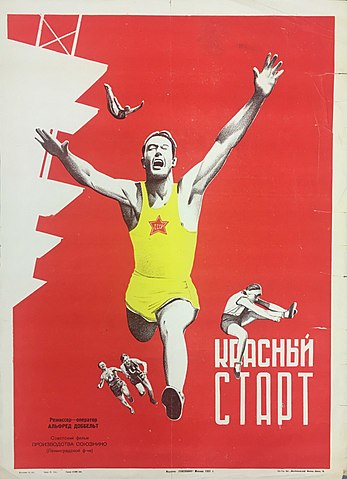 Сколько
бегать - полезно, а когда вред начинает перевешивать пользу. Разбор
полусотни исследований, чем чреват недостаток или избыток нагрузок.
Сколько
бегать - полезно, а когда вред начинает перевешивать пользу. Разбор
полусотни исследований, чем чреват недостаток или избыток нагрузок.
8
3
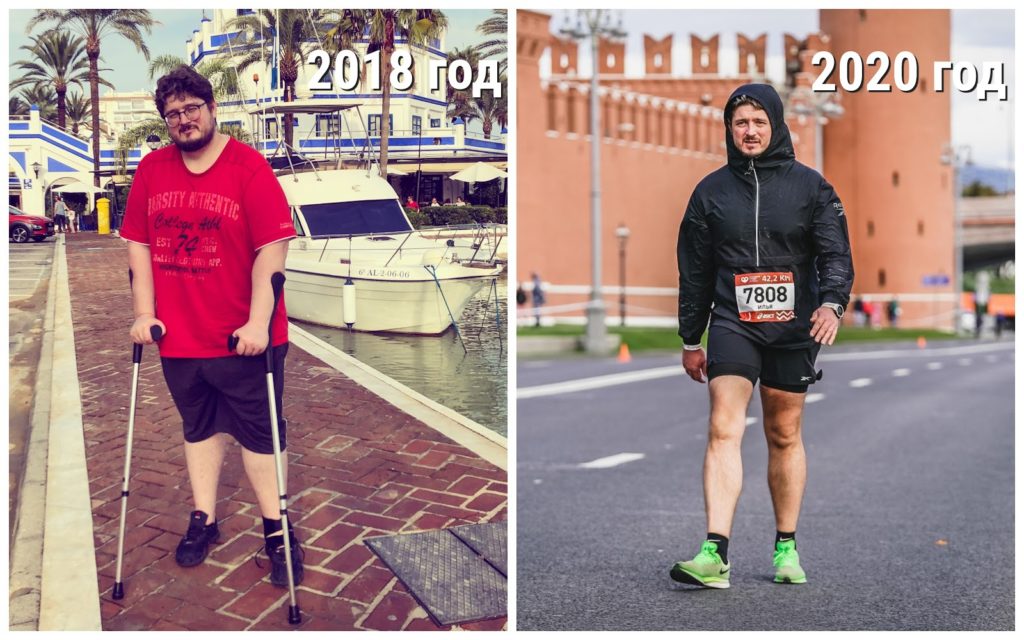
Предприниматель и редактор Илья Переседов написал для Зожника этот занимательный лонгрид о том, как можно преодолеть Московский марафон, занимаясь преимущественно ходьбой. Получилась увлекательная история о возможностях человеческого тела, автобусе смерти, пользе ходьбы и… много о чем еще. Передаем микрофон автору.
В старом анекдоте один приятель спрашивает другого: — Ты решил проблему с недержанием по ночам? — Был у психолога, стало гораздо лучше. — Недержание прошло? — Нет, но теперь я этим горжусь!
Я хочу рассказать о том, почему горжусь своим последним местом на Московском марафоне, который я даже не пробежал, а в основном прошёл быстрым шагом. И почему считаю такой результат своей большой победой.
Но сначала — немного подробностей об этом испытании.
Марафонище
Протяжённость марафонской дистанции — 42 километра 195 метров. И
это много.
Для сравнения, длина Третьего транспортного кольца, которое окружает Москву в её исторических границах — 35 километров. Максимальный путь, который римская пехота преодолевала за день форсированным маршем — 45 километров. На 40 километрах над поверхностью Земли уже нет воздуха, голубого неба и отчётливо видно, что наша планета круглая. Ширина морских территорий, на которые по международным законам распространяется контроль государств — 44 километра.
Можно сказать, что в привычном нам измерении всё, что близится к отметке 40 км — в некотором смысле пограничные расстояния.
Для сравнения, длина Третьего транспортного кольца, которое окружает Москву в её исторических границах — 35 километров. Максимальный путь, который римская пехота преодолевала за день форсированным маршем — 45 километров. На 40 километрах над поверхностью Земли уже нет воздуха, голубого неба и отчётливо видно, что наша планета круглая. Ширина морских территорий, на которые по международным законам распространяется контроль государств — 44 километра.
Можно сказать, что в привычном нам измерении всё, что близится к отметке 40 км — в некотором смысле пограничные расстояния.
По официальной спортивной классификации марафон — «сверхдлинная
дистанция» и он в 4 раза больше предельной «длинной» дистанции в 10
000 метров.
Сверхдлинной дистанцией его можно назвать ещё и потому, что он подвергает организм человека экстремальным нагрузкам.
Сверхдлинной дистанцией его можно назвать ещё и потому, что он подвергает организм человека экстремальным нагрузкам.
Вот неполный список осложнений, которыми марафон угрожает здоровью бегунов:
– Рубцевание сердечной мышцы,
– Ослабление щитовидной железы и надпочечников,
– Воспаление и дистрофия ткани сухожилия,
– Ухудшение метаболизма жиров в организме,
– Снижение плотности костной ткани,
– Истощение мышечной ткани.
(Источник: zarubejom.ru/chem_opasen_marafon)
В общем, марафон — это ни разу не про комфорт и здоровье. Не
случайно, легенда утверждает, что первый человек, который пробежал
эту дистанцию, умер как только достиг своей цели.
С другой стороны, марафон раскрывает ту часть нашей природы, которая редко бывает востребована в современной городской жизни — исключительную выносливость.
Некоторые учёные настаивают, что человек как биологический вид — вовсе не такой слабый, как об этом принято думать. Например, доктор медицинских наук, популяризатор здорового образа жизни Николай Амосов считал, что цивилизация просто освободила нас от необходимости развивать до предела свои физические качества. Но мы в них ничуть не уступаем животным.
С другой стороны, марафон раскрывает ту часть нашей природы, которая редко бывает востребована в современной городской жизни — исключительную выносливость.
Некоторые учёные настаивают, что человек как биологический вид — вовсе не такой слабый, как об этом принято думать. Например, доктор медицинских наук, популяризатор здорового образа жизни Николай Амосов считал, что цивилизация просто освободила нас от необходимости развивать до предела свои физические качества. Но мы в них ничуть не уступаем животным.
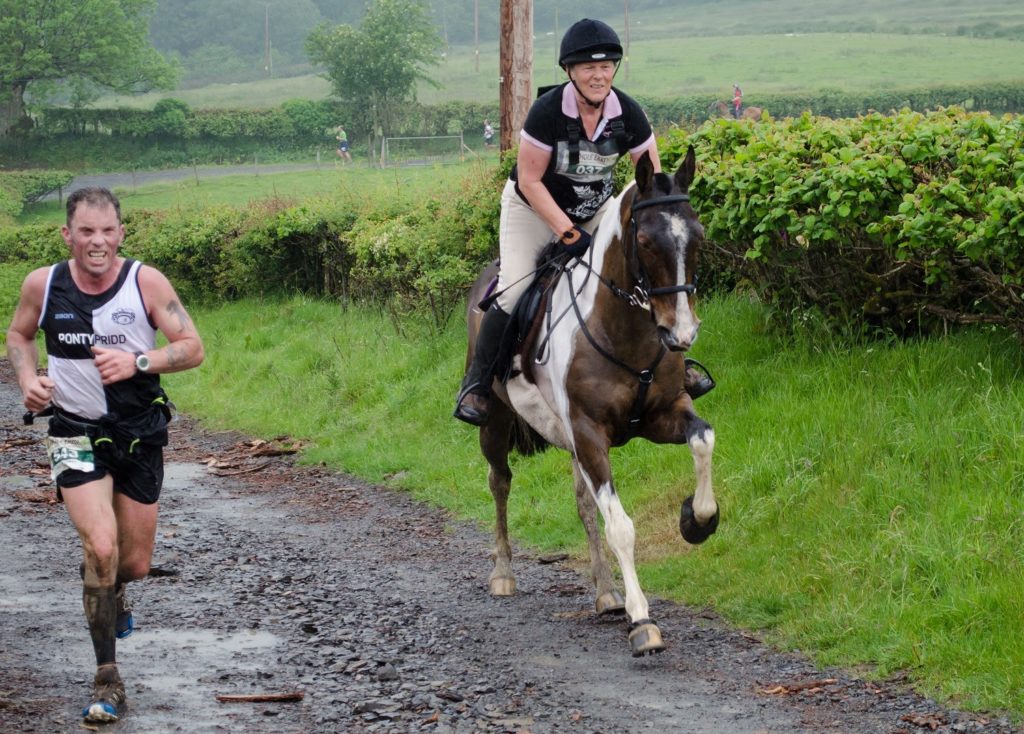
Правоту Амосова подтверждают результаты состязаний по бегу между
человеком и лошадью, которые проводятся в Англии с 1980 года: на
них бегун и всадник соревнуются на расстоянии в 35 километров. Чаще
всего в таких забегах побеждает лошадь.
Но, во-первых, далеко не всегда. Во-вторых, бегуны обычно уступают всадникам считанные минуты. В-третьих, лошадью на скачках руководят воля и интеллект наездника, что делает её эффективнее обычных животных. В любом случае, эти гонки показывают, какая исключительная выносливость заложена в нас от рождения. И марафон на практике демонстрирует эту способность людей — разумеется, при условии достаточной тренированности.
Тренированности, которой у меня пока нет.
Но, во-первых, далеко не всегда. Во-вторых, бегуны обычно уступают всадникам считанные минуты. В-третьих, лошадью на скачках руководят воля и интеллект наездника, что делает её эффективнее обычных животных. В любом случае, эти гонки показывают, какая исключительная выносливость заложена в нас от рождения. И марафон на практике демонстрирует эту способность людей — разумеется, при условии достаточной тренированности.
Тренированности, которой у меня пока нет.
Кто я?
Мне 39 лет. Я никогда системно не занимался спортом и тем более не
бегал. По образованию — гуманитарий. Всегда зарабатывал на жизнь
интеллектуальным трудом, во время которого сидел, а иногда даже
лежал (много лет подряд меня преследуют боли в спине). С детства я
страдаю от лишнего веса. Когда в 37 лет я решил начать меняться, у
меня было ожирение 3 степени и я весил 152 килограмма.
Моя работа над собой стартовала 7 февраля 2019 года. Сначала я исправил рацион и несколько месяцев каждый день просто ходил по улице по несколько часов в быстром темпе. Потом встал на эллипс и стал интенсивно на нём тренироваться. Так прошёл год. За это время я похудел на 50 килограммов.
Моя работа над собой стартовала 7 февраля 2019 года. Сначала я исправил рацион и несколько месяцев каждый день просто ходил по улице по несколько часов в быстром темпе. Потом встал на эллипс и стал интенсивно на нём тренироваться. Так прошёл год. За это время я похудел на 50 килограммов.
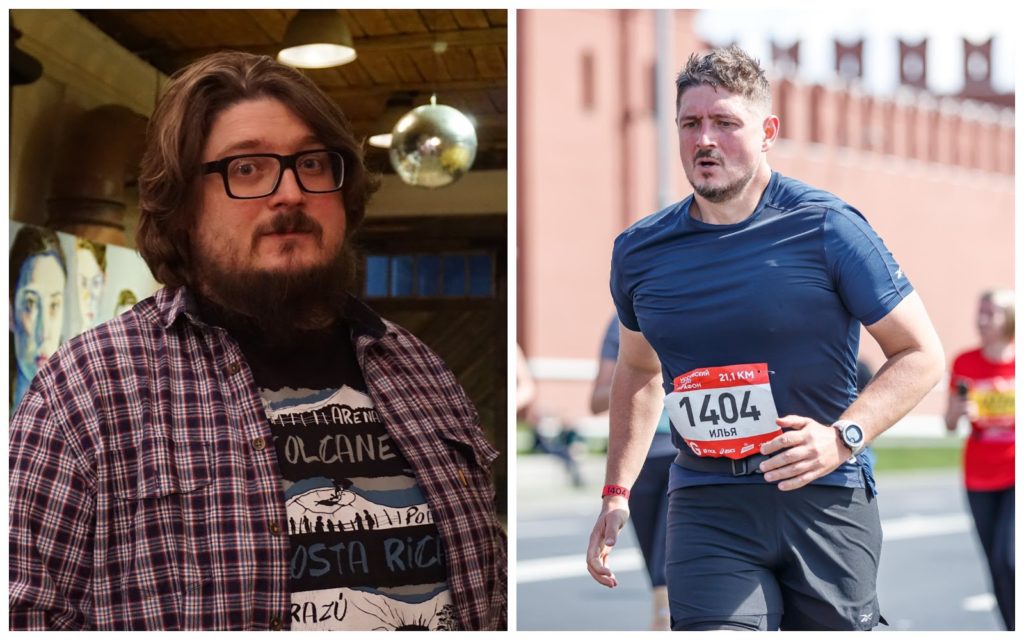
В феврале этого — 2020 года — я начал бегать на электрической
беговой дорожке. С мая бегаю уже по улице. Но ходьбу не забросил:
использую её для разминок и заминок, а также упражняюсь в
скандинавской ходьбе с палками. Стараюсь тренироваться не реже 5
раз в неделю от 40 минут до двух часов.
В результате таких тренировок в этом году я смог пробежать — именно пробежать, ни разу не переходя на шаг — два полумарафона с интервалом в неделю: в Москве 02.08.2020 и Санкт-Петербурге 09.08.2020. Не слишком быстро (вернее, откровенно медленно): в Москве — за 2 часа 22 минуты, в Питере — за 2 часа 18 минут. И всё же, учитывая недолгий срок моих тренировок, я был очень доволен такими результатами.
По меркам любительского спорта, я — неофит: у меня не слишком тренированное тело, достаточно большой вес (около 100 килограммов), нет правильных навыков бега, слабые мышцы кора и плохая координация. Людям с такими данными нечего делать на марафоне. Если бы кто-то в таком же состоянии, как у меня, пришёл ко мне с вопросом «бежать ему или нет марафон?», я бы стопроцентно стал его отговаривать.
Но мне в жизни часто удаются схемы: «Это невозможно, но надо попробовать». И я решил попытаться «взломать» Московский марафон с теми скромными данными, которые имел на руках. И, неожиданно, у меня получилось.
В результате таких тренировок в этом году я смог пробежать — именно пробежать, ни разу не переходя на шаг — два полумарафона с интервалом в неделю: в Москве 02.08.2020 и Санкт-Петербурге 09.08.2020. Не слишком быстро (вернее, откровенно медленно): в Москве — за 2 часа 22 минуты, в Питере — за 2 часа 18 минут. И всё же, учитывая недолгий срок моих тренировок, я был очень доволен такими результатами.
По меркам любительского спорта, я — неофит: у меня не слишком тренированное тело, достаточно большой вес (около 100 килограммов), нет правильных навыков бега, слабые мышцы кора и плохая координация. Людям с такими данными нечего делать на марафоне. Если бы кто-то в таком же состоянии, как у меня, пришёл ко мне с вопросом «бежать ему или нет марафон?», я бы стопроцентно стал его отговаривать.
Но мне в жизни часто удаются схемы: «Это невозможно, но надо попробовать». И я решил попытаться «взломать» Московский марафон с теми скромными данными, которые имел на руках. И, неожиданно, у меня получилось.
«Думай, Федя! Думай!»
Признаюсь, я не люблю индустрию современного фитнеса. В первую
очередь, из-за культа тупого, линейного достигаторства, который
встречается в ней сплошь и рядом.
«Желай невозможного! Стремись изо всех сил! Двигайся, пока можешь! Не думай, авось получится! Получилось — молодец, так и должно быть! Не получилось — утрись и ломись дальше! Бросил ломиться в закрытую дверь — слабак!»
Этот подход кажется мне глупым и малопродуктивным. В первую очередь потому, что результат в нём не поддаётся чёткому прогнозированию.
Работа в бизнесе научила меня: успех лишь тогда становится личным достижением, когда он рационально предсказуем. Тот, кто просто бежит куда-то, сломя голову, подвергает себя неоправданному риску. Тот, кто механически пытается повторить чужой успех, не учитывая отрицательный опыт тех, у кого это не получилось, делает себя заложниками известной в статистике «Ошибки выжившего». (статья “Систематическая ошибка выжившего” в Википедии)
«Желай невозможного! Стремись изо всех сил! Двигайся, пока можешь! Не думай, авось получится! Получилось — молодец, так и должно быть! Не получилось — утрись и ломись дальше! Бросил ломиться в закрытую дверь — слабак!»
Этот подход кажется мне глупым и малопродуктивным. В первую очередь потому, что результат в нём не поддаётся чёткому прогнозированию.
Работа в бизнесе научила меня: успех лишь тогда становится личным достижением, когда он рационально предсказуем. Тот, кто просто бежит куда-то, сломя голову, подвергает себя неоправданному риску. Тот, кто механически пытается повторить чужой успех, не учитывая отрицательный опыт тех, у кого это не получилось, делает себя заложниками известной в статистике «Ошибки выжившего». (статья “Систематическая ошибка выжившего” в Википедии)
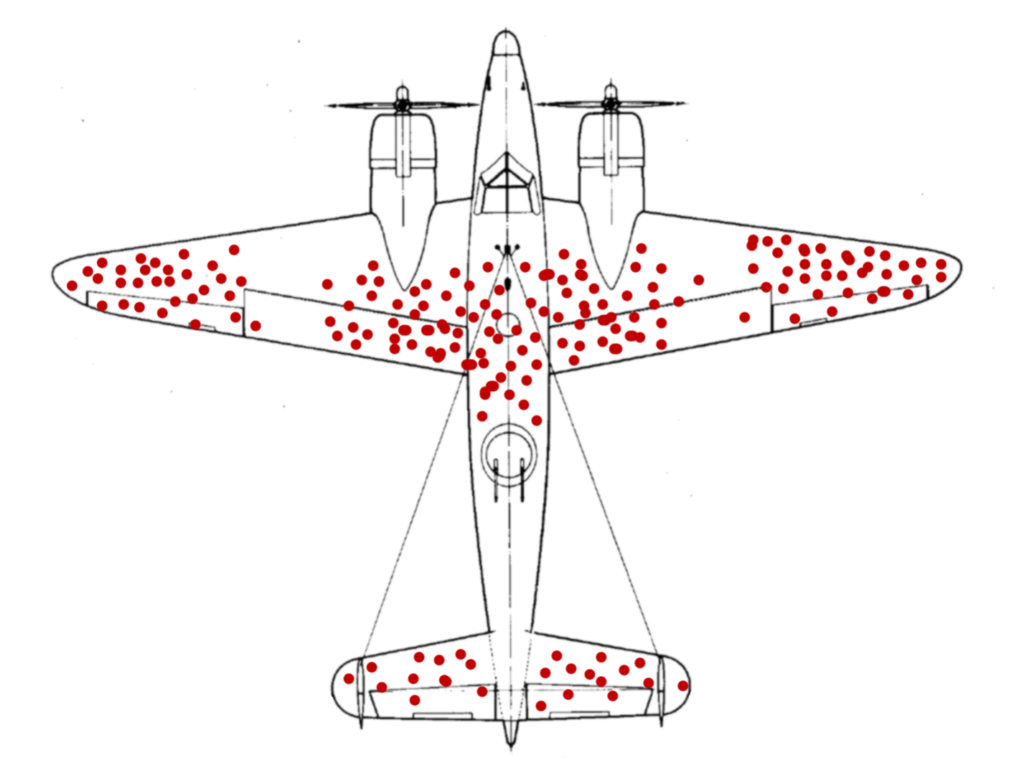
Поэтому моя подготовка к марафону началась не с тренировок, а с
аналитической работы.
Код марафона
Данные, которые я стал анализировать, были, признаюсь, так
себе:
Протяжённость марафона — 42,2 километра.
Идеальное время его прохождения для любителя — 3 часа (выбежать марафон из трёх часов — влажная мечта каждого непрофессионального бегуна).
Моё лучшее время на половинке этой дистанции — 2 часа 18 минут.
Получалось, даже если бы я смог пробежать весь марафон со скоростью, которую развил на полумарафоне в Санкт-Петербурге, то пересёк бы финишную черту через 4 часа 40 минут после старта. Почти на два часа позже «идеального времени». Что ни разу не круто. И это при том, что в Питере я финишировал на последнем дыхании, так что нелепо было бы рассчитывать удвоить этот результат всего через месяц.
Внимательно рассмотрев эти данные, я решил вообще не привязываться ко времени, с которым преодолею марафон. Моя логика была следующей: «Официально состязание длится 6 часов. Значит, для успешного прохождения дистанции мне будет достаточно просто уложиться в это время. И не важно, в какую минуту я окажусь на финише».
Если разделить расстояние 42.2 километра на 6 часов, получится скорость 7.1 км/ч — минимальная скорость с которой реально преодолеть марафон. Это очень низкая скорость для бегуна и достаточно высокая для пешехода.
Школьные задачники уверяют нас, что средняя скорость пешехода — 6 км/ч. На деле, по моим наблюдения, в наше время люди ходят со скоростью не выше 5 км/ч, даже когда торопятся. Мне же, решись я пройти марафон быстрым шагом, пришлось бы идти без остановки 6 часов подряд с постоянной скоростью 7.1 км/ч, не замедляясь ни на минуту, что не так-то просто.
Но мои хотелки на этом не закончились. Я категорически не был готов повторять питерский опыт и финишировать еле живым. Мне хотелось покорить марафон, сохранив здоровье и силы, чтобы иметь возможность насладиться победой.
Протяжённость марафона — 42,2 километра.
Идеальное время его прохождения для любителя — 3 часа (выбежать марафон из трёх часов — влажная мечта каждого непрофессионального бегуна).
Моё лучшее время на половинке этой дистанции — 2 часа 18 минут.
Получалось, даже если бы я смог пробежать весь марафон со скоростью, которую развил на полумарафоне в Санкт-Петербурге, то пересёк бы финишную черту через 4 часа 40 минут после старта. Почти на два часа позже «идеального времени». Что ни разу не круто. И это при том, что в Питере я финишировал на последнем дыхании, так что нелепо было бы рассчитывать удвоить этот результат всего через месяц.
Внимательно рассмотрев эти данные, я решил вообще не привязываться ко времени, с которым преодолею марафон. Моя логика была следующей: «Официально состязание длится 6 часов. Значит, для успешного прохождения дистанции мне будет достаточно просто уложиться в это время. И не важно, в какую минуту я окажусь на финише».
Если разделить расстояние 42.2 километра на 6 часов, получится скорость 7.1 км/ч — минимальная скорость с которой реально преодолеть марафон. Это очень низкая скорость для бегуна и достаточно высокая для пешехода.
Школьные задачники уверяют нас, что средняя скорость пешехода — 6 км/ч. На деле, по моим наблюдения, в наше время люди ходят со скоростью не выше 5 км/ч, даже когда торопятся. Мне же, решись я пройти марафон быстрым шагом, пришлось бы идти без остановки 6 часов подряд с постоянной скоростью 7.1 км/ч, не замедляясь ни на минуту, что не так-то просто.
Но мои хотелки на этом не закончились. Я категорически не был готов повторять питерский опыт и финишировать еле живым. Мне хотелось покорить марафон, сохранив здоровье и силы, чтобы иметь возможность насладиться победой.
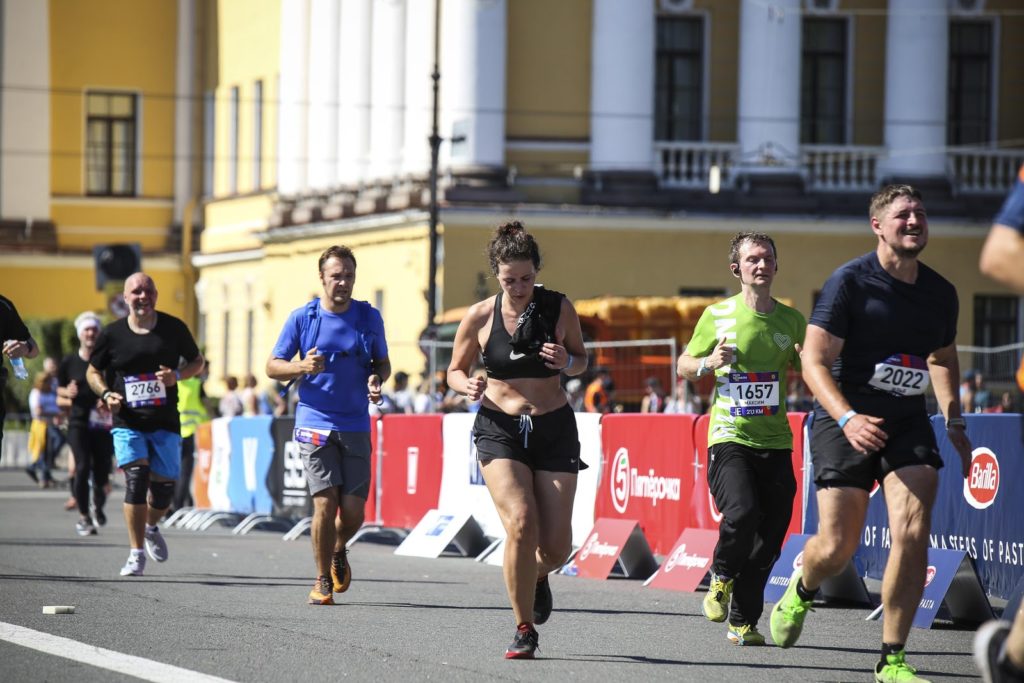
Прикинув так и эдак, я решил, что с большей вероятностью смогу
достичь желаемого, если стану чередовать на марафоне медленный бег
и быструю ходьбу, делая это с комфортным для себя, не слишком
высоким пульсом.
Так я и поступил.
Сразу уточню: я не сидел с циркулем над картой и не выверял оптимальные отрезки пути для бега или ходьбы. С этим я решил разбираться на месте. И разобрался.
В итоге за марафон я суммарно пробежал около 17 километров за четыре отрезка пути, потратив на это чуть меньше двух часов. Остальное расстояние прошёл быстрым шагом. Путь от старта до финиша занял у меня 5 часов 55 минут — время, идеально совпавшее с моими расчётами. Финишировал я бегом, в максимально хорошем самочувствии, насколько это было возможно в такой ситуации.
И всё же, если я скажу, что легко преодолел марафон, с первых минут будучи уверенным в успехе, то совру.
Так я и поступил.
Сразу уточню: я не сидел с циркулем над картой и не выверял оптимальные отрезки пути для бега или ходьбы. С этим я решил разбираться на месте. И разобрался.
В итоге за марафон я суммарно пробежал около 17 километров за четыре отрезка пути, потратив на это чуть меньше двух часов. Остальное расстояние прошёл быстрым шагом. Путь от старта до финиша занял у меня 5 часов 55 минут — время, идеально совпавшее с моими расчётами. Финишировал я бегом, в максимально хорошем самочувствии, насколько это было возможно в такой ситуации.
И всё же, если я скажу, что легко преодолел марафон, с первых минут будучи уверенным в успехе, то совру.
Как это было
Два месяца перед марафоном мысль о том, что в какой-то момент мне
придётся выйти на его старт, вызывала во мне даже не дрожь, а
какой-то эмоциональный ступор. Как в море, когда ты качаешься на
волнах в ветреную погоду и вдруг над тобой нависает вал размером с
небольшой дом. И ты понимаешь, что ни при каком раскладе не успеешь
заплыть на него, а значит, нужно подныривать под эту волну и
спокойно ждать, что она станет тебя крутить и бросать из стороны в
сторону. И молиться во время этой трёпки, чтобы тебя не ударило о
дно или не убило каким-то случайным камнем.
Такие же чувства вызывал во мне марафон.
Я не боялся его приближения, не накручивал себя позитивными мотивашками, просто чувствовал, как ко мне приближается что-то громадное и жестокое. И старался испытывать минимум эмоций по этому поводу.
Я даже не тренировался пару недель, руководствуясь принципом «перед смертью не надышишься». Просто жил, копил силы и старался не думать о том, что мне предстоит. Даже домашние не знали точно, побегу я Московский марафон или нет. Хотя знали, что я на нём зарегистрирован.
Утром 20 сентября я отправился в Лужники, взяв с собой спортивную форму и 8 пакетиков энергетических гелей по 100 ккал каждый. Переоделся и занял место в кластере J — последнем кластере в очереди на старт, где собрались люди, нацеленные на самый медленный результат.
Такие же чувства вызывал во мне марафон.
Я не боялся его приближения, не накручивал себя позитивными мотивашками, просто чувствовал, как ко мне приближается что-то громадное и жестокое. И старался испытывать минимум эмоций по этому поводу.
Я даже не тренировался пару недель, руководствуясь принципом «перед смертью не надышишься». Просто жил, копил силы и старался не думать о том, что мне предстоит. Даже домашние не знали точно, побегу я Московский марафон или нет. Хотя знали, что я на нём зарегистрирован.
Утром 20 сентября я отправился в Лужники, взяв с собой спортивную форму и 8 пакетиков энергетических гелей по 100 ккал каждый. Переоделся и занял место в кластере J — последнем кластере в очереди на старт, где собрались люди, нацеленные на самый медленный результат.
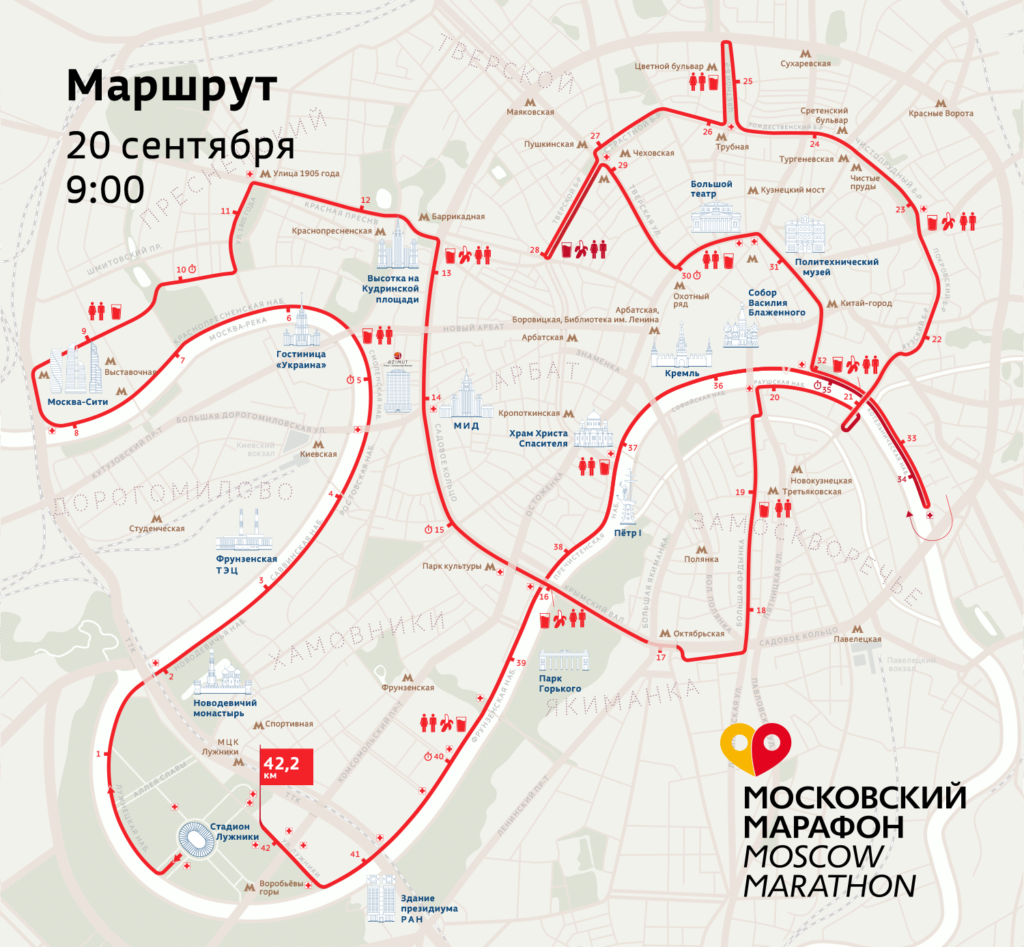
Марафон стартовал по расписанию в 9 утра и первыми побежали элитные
спортсмены. Наш кластер начал движение в 9.30. В этот момент я всё
ещё старался не думать о том, какой огромный путь мне предстоит
преодолеть. Чтобы как-то отвлечь себя от этих мыслей я начал
слушать подборку латиноамериканских песен, которую включаю иногда
на тренировках. Слушал я их через обычные проводные наушники,
воткнутые в телефон, лежавший в беговом поясе.
Старт дался мне легко. Я упал на хвост двум пейсмейкерам, которые вели народ на результат 4 часа 59 минут, и благополучно пробежал с ними 10 километров. Мы пробежали Лужнецкую набережную, Новодевичью, Смоленскую, Краснопресненскую и Красногвардейский проезд. Но когда на повороте с Мантулинской улицы перед нами замаячила длинная и крутая горка улицы 1905 года, я понял: пора начать шагать.
Психологически это было непросто. Я не устал и мог бы бежать дальше. И я помнил, с каким пренебрежением на Питерском полумарафоне сам смотрел на людей, переходивших с бега на шаг. Увы, это неизбежность: когда ты не разрешаешь себе проявить слабость, то вынужден эмоционально дистанцироваться от тех, кто, как тебе кажется, уже сдались. Но в тот момент, когда я стал быстро шагать на Московском марафоне, мною двигало не малодушие, а холодный расчёт.
Я понимал: нет никаких гарантий, что у меня получится бежать в таком темпе все 5 часов, а значит, нет нужды рисковать. К тому же, было ясно: на пути мне встретятся множество спусков и подъёмов, и вряд ли я сумею преодолеть их бегом. Поэтому, как только мы добежали до склона горы улицы 1905 года, я зашагал.
Разумеется, это не значит, что я расслабился и перестал стараться. Бегом я завоевал для ходьбы фору и не имел права растратить её на отдых. Поэтому я постарался как можно быстрее перейти на темп шага, который гарантировал мне успешный финиш, как если бы я вовсе не бежал — 8-8.5 минут на километр.
При старте я запустил на своих спортивных часах программу беговой тренировки с активным GPS-чипом, и на циферблате стал непрерывно отражаться мой актуальный темп. Я двигался, ориентируясь на эти данные.
Шагом я поднялся вверх по улице 1905 года, свернул на Красную Пресню, дошёл до Садового кольца, свернул направо, прошёл в тоннеле под Новым Арбатом, дошёл до Парка культуры и поднялся на Крымский мост.
Я двигался так, как привык ходить во время своих долгих прогулок и на занятиях по скандинавской ходьбе. Слегка наклонившись вперёд, решительно шагая на почти прямых ногах, размахивая руками, стараясь добиться в чередовании ног эффекта маятника, когда кажется, что само тело несёт тебя вперёд, заставляя двигаться дальше.
Всё это время меня обгоняли бегуны, которые, как мне казалось, неодобрительно на меня поглядывали. Но я продолжал идти в выбранном темпе, стараясь ни на кого не обращать внимание.
Где-то в районе Смоленской-Сенной площади я заметил, что все, кто мог, меня обогнали и рядом стало мало людей. И пока я не начал нагонять обессилевших и отстающих бегунов где-то на 32 километре, моё путешествие продолжалось с небольшим количеством попутчиков.
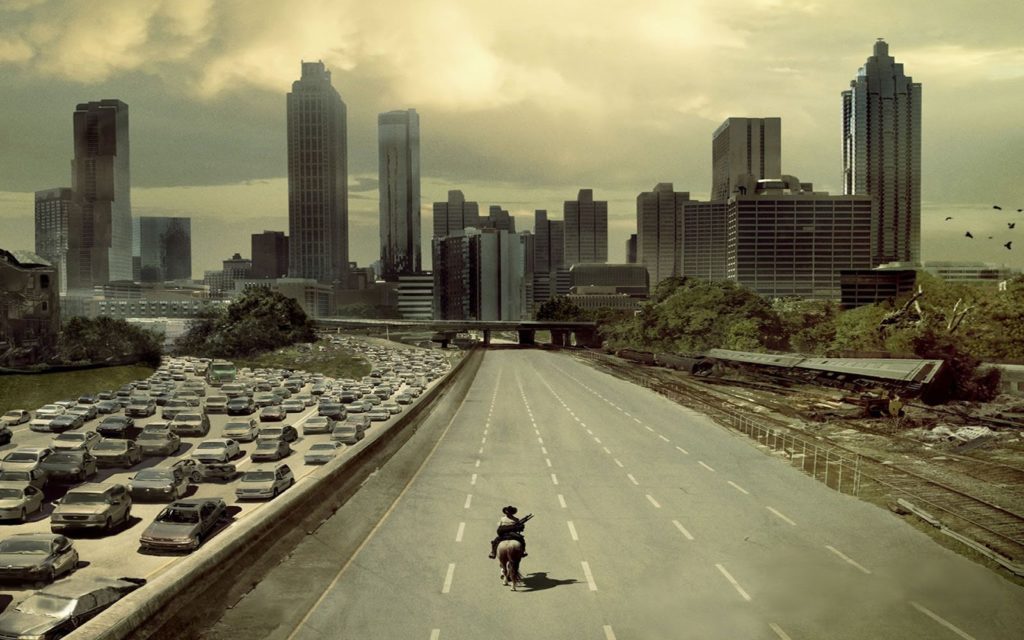
И тут я обнаружил неожиданное преимущество своей тактики прохождения марафона: возможность пройти днём по пустому центру Москвы. Несколько часов подряд я шёл по столичным дорогам, свободным от машин, почти безлюдным. Там, где в обычное время у пешехода нет шансов оказаться без угрозы для жизни. Я спускался в туннели под проспектами. Шёл по пустым мостам. Проходил набережные и центральные улицы. Моё путешествие в мельчайших деталях напоминало декорации постапокалиптических фильмов и компьютерных игр. Вот только происходило это всё в реальности. Потрясающее чувство! Это открытие меня настолько воодушевило, что я прибавил шаг и стал пританцовывать в ритме латиноамериканских мелодий, которые звучали у меня в ушах.
Старт дался мне легко. Я упал на хвост двум пейсмейкерам, которые вели народ на результат 4 часа 59 минут, и благополучно пробежал с ними 10 километров. Мы пробежали Лужнецкую набережную, Новодевичью, Смоленскую, Краснопресненскую и Красногвардейский проезд. Но когда на повороте с Мантулинской улицы перед нами замаячила длинная и крутая горка улицы 1905 года, я понял: пора начать шагать.
Психологически это было непросто. Я не устал и мог бы бежать дальше. И я помнил, с каким пренебрежением на Питерском полумарафоне сам смотрел на людей, переходивших с бега на шаг. Увы, это неизбежность: когда ты не разрешаешь себе проявить слабость, то вынужден эмоционально дистанцироваться от тех, кто, как тебе кажется, уже сдались. Но в тот момент, когда я стал быстро шагать на Московском марафоне, мною двигало не малодушие, а холодный расчёт.
Я понимал: нет никаких гарантий, что у меня получится бежать в таком темпе все 5 часов, а значит, нет нужды рисковать. К тому же, было ясно: на пути мне встретятся множество спусков и подъёмов, и вряд ли я сумею преодолеть их бегом. Поэтому, как только мы добежали до склона горы улицы 1905 года, я зашагал.
Разумеется, это не значит, что я расслабился и перестал стараться. Бегом я завоевал для ходьбы фору и не имел права растратить её на отдых. Поэтому я постарался как можно быстрее перейти на темп шага, который гарантировал мне успешный финиш, как если бы я вовсе не бежал — 8-8.5 минут на километр.
При старте я запустил на своих спортивных часах программу беговой тренировки с активным GPS-чипом, и на циферблате стал непрерывно отражаться мой актуальный темп. Я двигался, ориентируясь на эти данные.
Шагом я поднялся вверх по улице 1905 года, свернул на Красную Пресню, дошёл до Садового кольца, свернул направо, прошёл в тоннеле под Новым Арбатом, дошёл до Парка культуры и поднялся на Крымский мост.
Я двигался так, как привык ходить во время своих долгих прогулок и на занятиях по скандинавской ходьбе. Слегка наклонившись вперёд, решительно шагая на почти прямых ногах, размахивая руками, стараясь добиться в чередовании ног эффекта маятника, когда кажется, что само тело несёт тебя вперёд, заставляя двигаться дальше.
Всё это время меня обгоняли бегуны, которые, как мне казалось, неодобрительно на меня поглядывали. Но я продолжал идти в выбранном темпе, стараясь ни на кого не обращать внимание.
Где-то в районе Смоленской-Сенной площади я заметил, что все, кто мог, меня обогнали и рядом стало мало людей. И пока я не начал нагонять обессилевших и отстающих бегунов где-то на 32 километре, моё путешествие продолжалось с небольшим количеством попутчиков.
И тут я обнаружил неожиданное преимущество своей тактики прохождения марафона: возможность пройти днём по пустому центру Москвы. Несколько часов подряд я шёл по столичным дорогам, свободным от машин, почти безлюдным. Там, где в обычное время у пешехода нет шансов оказаться без угрозы для жизни. Я спускался в туннели под проспектами. Шёл по пустым мостам. Проходил набережные и центральные улицы. Моё путешествие в мельчайших деталях напоминало декорации постапокалиптических фильмов и компьютерных игр. Вот только происходило это всё в реальности. Потрясающее чувство! Это открытие меня настолько воодушевило, что я прибавил шаг и стал пританцовывать в ритме латиноамериканских мелодий, которые звучали у меня в ушах.
То, что я получал удовольствие от происходящего, не значит, что
путь давался мне легко. Марафонский темп ходьбы требовал полной
концентрации и постоянных усилий. Стоило отвлечься на какие-то
мысли или чуть-чуть расслабиться, скорость тут же падала и мне
приходилось её немедленно навёрстывать.
Я стремился полностью раствориться в ритме ходьбы: не отвлекался на приветствия волонтёров, стоявших вдоль трассы; не сбавляя шаг, брал воду на точках питья, двигаясь по плавной траектории; не реагировал ни на какие внешние раздражители.
Дважды за марафон эта концентрация сыграла со мной злую шутку. Дело в том, что всё время моего движения мне очень хотелось есть. Я, конечно, высасывал по пакетику энергетического геля каждые 4-5 километра. Но этого было мало: тело просило твёрдой пищи. Для перекуса на ходу лучше всего подошли бы бананы, но из-за сосредоточенности я дважды пропустить возможность получить их на трассе.
В первый раз это случилось на Крымском валу около Парка культуры. Там стоял пункт раздачи воды. Я взял бутылку и не сбавляя темп пошёл дальше. Метров через 15 на входе в Октябрьский тоннель я наткнулся на горы жёлтых шкурок и недоеденные бананы, валявшиеся на асфальте. Так я понял, что пропустил раздачу еды. Разумеется, я не стал за ней возвращаться и отправился дальше по дороге, заваленной бананами.
Должен заметить, это было эпическое зрелище: белым днём ты спускаешься в пустой городской тоннель, на входе в который валяется тонна банановых шкурок и недоеденных бананов, оставшихся от бегунов, побывавших здесь раньше тебя. 100% погружение в декорации мира Планеты обезьян.
Второй раз такая же неприятность случилась со мной пару часов спустя на спуске от Старой площади к Китайгородскому проезду. Мне навстречу шла пара молодых ребят и размахивали руками. Я решил, что это волонтёры-мотиваторы и не стал обращать на них внимание. И только поравнявшись с ними, боковым зрением я заметил, что они раздавали бегунам бананы, которые в тот момент были мне очень нужны. Я снова не стал тормозить или окликивать их, чтобы не потерять в ритме.
Я стремился полностью раствориться в ритме ходьбы: не отвлекался на приветствия волонтёров, стоявших вдоль трассы; не сбавляя шаг, брал воду на точках питья, двигаясь по плавной траектории; не реагировал ни на какие внешние раздражители.
Дважды за марафон эта концентрация сыграла со мной злую шутку. Дело в том, что всё время моего движения мне очень хотелось есть. Я, конечно, высасывал по пакетику энергетического геля каждые 4-5 километра. Но этого было мало: тело просило твёрдой пищи. Для перекуса на ходу лучше всего подошли бы бананы, но из-за сосредоточенности я дважды пропустить возможность получить их на трассе.
В первый раз это случилось на Крымском валу около Парка культуры. Там стоял пункт раздачи воды. Я взял бутылку и не сбавляя темп пошёл дальше. Метров через 15 на входе в Октябрьский тоннель я наткнулся на горы жёлтых шкурок и недоеденные бананы, валявшиеся на асфальте. Так я понял, что пропустил раздачу еды. Разумеется, я не стал за ней возвращаться и отправился дальше по дороге, заваленной бананами.
Должен заметить, это было эпическое зрелище: белым днём ты спускаешься в пустой городской тоннель, на входе в который валяется тонна банановых шкурок и недоеденных бананов, оставшихся от бегунов, побывавших здесь раньше тебя. 100% погружение в декорации мира Планеты обезьян.
Второй раз такая же неприятность случилась со мной пару часов спустя на спуске от Старой площади к Китайгородскому проезду. Мне навстречу шла пара молодых ребят и размахивали руками. Я решил, что это волонтёры-мотиваторы и не стал обращать на них внимание. И только поравнявшись с ними, боковым зрением я заметил, что они раздавали бегунам бананы, которые в тот момент были мне очень нужны. Я снова не стал тормозить или окликивать их, чтобы не потерять в ритме.
Секретный ингредиент
Если в моём преодолении марафона и был какой-то секрет — это
внутренняя концентрация.
Когда кто-то из знакомых, кто знал меня в те времена, когда я не мог пройти пешком и пары кварталов (а это было всего полтора года назад) спрашивают, как мне удаётся тренироваться теперь по паре часов ежедневно, я рассказываю им байку из жизни французских философов XVIII века:
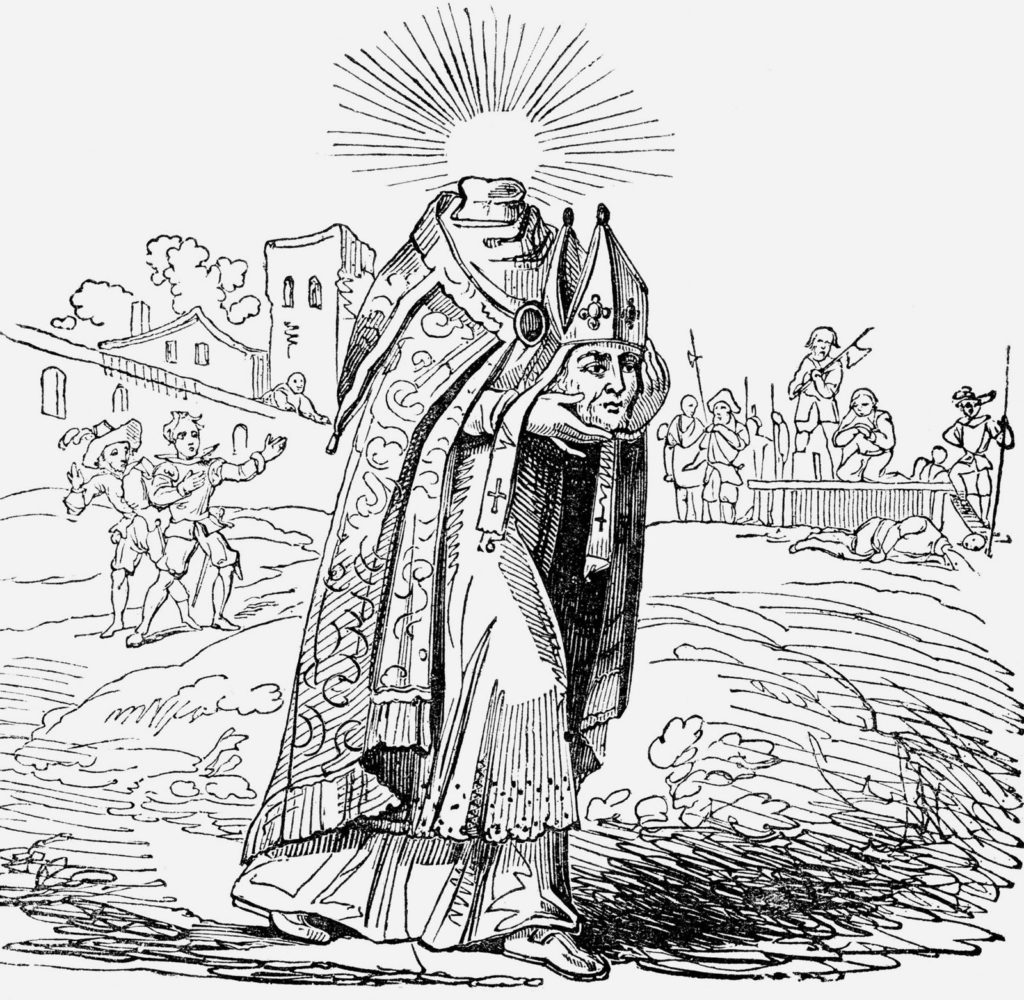
«Маркиза дю Деффан, подруга Вольтера, любительница философии и хозяйка модного салона, однажды разговорилась с архиепископом Мельхиором де Полиньяком о святом Дионисии Парижском. Архиепископ рассказывал, что, когда язычники обезглавили этого святого, он поднялся на ноги и, держа в руках собственную голову, направился к месту, на котором позже построили собор.
— Только представьте, он так и не выпустил своей головы из рук, — повторял епископ, красочно описывая, как тяжело давался Дионисию этот путь.
На что маркиза остроумно заметила:
— В такой ситуации труднее всего сделать первый шаг.
В советских книгах эту историю преподносили как антирелигиозную сатиру. Мне же она всегда казалась глубже, чем может показаться на первый взгляд.
Действительно, если открыть в себе решимость на невозможный поступок, неважно, как много шагов ты сделаешь в направлении цели. По сути, на протяжении всего пути тебе придётся просто повторить свой первый шаг столько раз, сколько требуется для успеха.
Когда кто-то из знакомых, кто знал меня в те времена, когда я не мог пройти пешком и пары кварталов (а это было всего полтора года назад) спрашивают, как мне удаётся тренироваться теперь по паре часов ежедневно, я рассказываю им байку из жизни французских философов XVIII века:
«Маркиза дю Деффан, подруга Вольтера, любительница философии и хозяйка модного салона, однажды разговорилась с архиепископом Мельхиором де Полиньяком о святом Дионисии Парижском. Архиепископ рассказывал, что, когда язычники обезглавили этого святого, он поднялся на ноги и, держа в руках собственную голову, направился к месту, на котором позже построили собор.
— Только представьте, он так и не выпустил своей головы из рук, — повторял епископ, красочно описывая, как тяжело давался Дионисию этот путь.
На что маркиза остроумно заметила:
— В такой ситуации труднее всего сделать первый шаг.
В советских книгах эту историю преподносили как антирелигиозную сатиру. Мне же она всегда казалась глубже, чем может показаться на первый взгляд.
Действительно, если открыть в себе решимость на невозможный поступок, неважно, как много шагов ты сделаешь в направлении цели. По сути, на протяжении всего пути тебе придётся просто повторить свой первый шаг столько раз, сколько требуется для успеха.
Даже сегодня, когда история с моим марафоном уже позади, я не верю
до конца, что могу преодолеть эту дистанцию. Особенно, если помнить
про мою прошлую биографию и многолетнее презрение к любой
физической деятельности. Но я уже этого достиг. Для успеха мне
оказалось достаточным сделать один шаг от старта к финишу и потом
просто повторить его около 50 000 раз в нужном темпе.
В этом, как мне кажется, и заключается главное преимущество циклических видов спорта перед силовыми. Во время долгих тренировок на выносливость ты словно помещаешь себя в центр вселенной, после чего движение мироздания подстраивается под темп твоего тела. Особенно это заметно на внутреннем переживании чувства времени во время ходьбы или бега: монотонное повторение одинаковых действий замедляет в голове восприятие времени, подчиняя его ритму дыхания и движений.
По моим внутренним часам марафон для меня длился где-то пару часов, потому что я сумел уйти мыслями в себя и почти перестал думать о посторонних вещах, позволив телу двигаться на автомате. Это было очень похоже на состояние, когда ты лежишь ночью в постели без сна, но с закрытыми глазами, и спокойно дышишь, проваливаясь в лёгкую дрёму.
При этом, разумеется, я реагировал на переживания своего тела и всё, что происходило вокруг, корректируя свою активность с учётом этих данных.
Например, я пил почти на всех точках раздачи воды. Немного: по 3-4 глотка. Из-за этого несколько раз за марафон мне захотелось в туалет. Я принимал это как неизбежность. Спокойно ждал, что мне на пути попадётся туалетная кабинка с прямым участком дороги за ней, заходил в неё, отдыхал секунд 40, после чего начинал бежать 2-3 километра, компенсируя потерянное время и зарабатывая новую фору. А потом снова переходил на быстрый шаг.
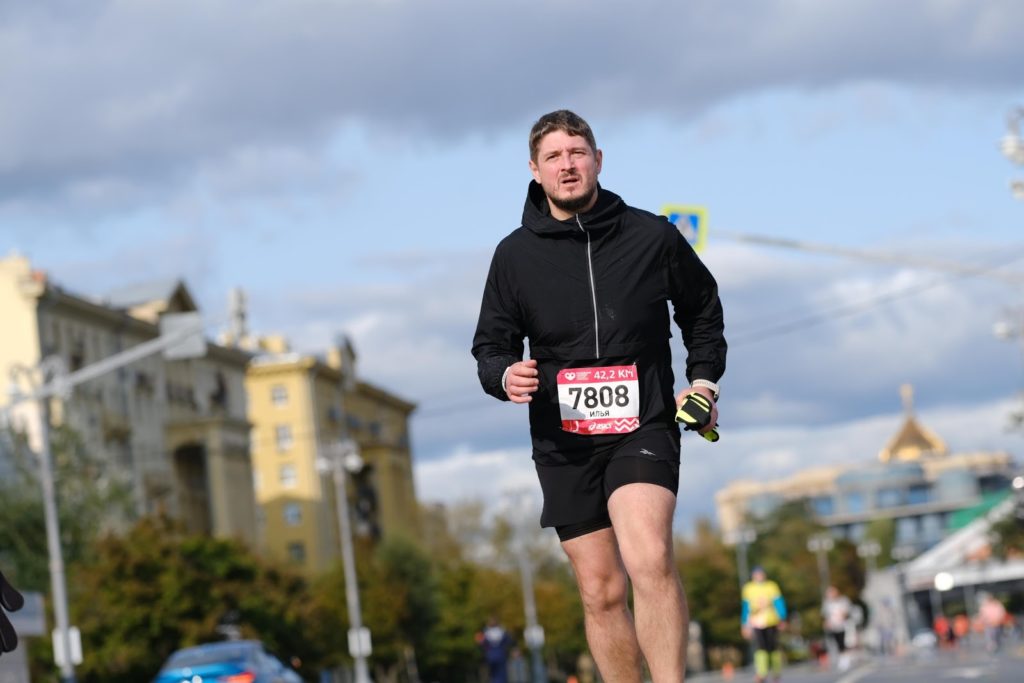
В этом, как мне кажется, и заключается главное преимущество циклических видов спорта перед силовыми. Во время долгих тренировок на выносливость ты словно помещаешь себя в центр вселенной, после чего движение мироздания подстраивается под темп твоего тела. Особенно это заметно на внутреннем переживании чувства времени во время ходьбы или бега: монотонное повторение одинаковых действий замедляет в голове восприятие времени, подчиняя его ритму дыхания и движений.
По моим внутренним часам марафон для меня длился где-то пару часов, потому что я сумел уйти мыслями в себя и почти перестал думать о посторонних вещах, позволив телу двигаться на автомате. Это было очень похоже на состояние, когда ты лежишь ночью в постели без сна, но с закрытыми глазами, и спокойно дышишь, проваливаясь в лёгкую дрёму.
При этом, разумеется, я реагировал на переживания своего тела и всё, что происходило вокруг, корректируя свою активность с учётом этих данных.
Например, я пил почти на всех точках раздачи воды. Немного: по 3-4 глотка. Из-за этого несколько раз за марафон мне захотелось в туалет. Я принимал это как неизбежность. Спокойно ждал, что мне на пути попадётся туалетная кабинка с прямым участком дороги за ней, заходил в неё, отдыхал секунд 40, после чего начинал бежать 2-3 километра, компенсируя потерянное время и зарабатывая новую фору. А потом снова переходил на быстрый шаг.
«Ты не пройдёшь!»
Разумеется, моё путешествие не обошлось без трудностей и
непредвиденных помех. Вот главные из них:
Погода (которая оказалась очень переменчивой)
Утром перед стартом на улице стоял жуткий холод. Потом на марафоне
выглянуло солнце и стало жарко. Но когда солнце скрывалось за
тучами, снова становилось прохладно. Особенно это ощущалось на
набережных, которые продувал резкий ветер с Москвы реки.
В итоге к финишу я продрог настолько, что дома минут 40 стоял под горячем душем, чтобы оттаять.
В итоге к финишу я продрог настолько, что дома минут 40 стоял под горячем душем, чтобы оттаять.
Рельеф
трассы
Уже на дистанции я узнал от людей, бежавших рядом, что Московский
марафон считается среди бегунов сложным маршрутом из-за холмистого
рельефа. Мне больше всего запомнился бесконечно длинный и крутой
подъём от Москвы реки по Яузскому, Покровскому и Чистопрудному
бульварам до Рождественского. Но вообще на нашем пути хватало
подъёмов и спусков. Решись я по ним бежать, они бы точно меня
доконали.
Страх
опоздать
Конечно, больше всего я боялся не успеть вовремя к финишу. И был
жестоко наказан за этот страх.
Вдоль всей марафонской трассы были выставлены флажки с указанием пройденных километров. В середине дистанции на Большом Устьинском мосту рядом с таким флажком стояли большие часы с указанием прошедшего времени.
Представьте себе мой ужас, когда я увидел на них время 3 часа 20 минут. Это был мой приговор: часы показывали, что я не успею уложиться в норматив 6 часов. Для успешного финиша мне бы пришлось преодолеть вторую половину марафона на 40 минут быстрее, чем первую, что для меня было совершенно недостижимо.
Я впал в уныние. Будь я чуть более впечатлительным, тут же сошёл бы с дистанции. Но я продолжил идти с тем же темпом, что и раньше (хоть думал тогда, что это уже не имеет смысла) и стал проверял в уме свои расчёты, пытаясь понять: где же я ошибся. Всё выглядело так, что нигде.
И только докрутив цепочку воспоминаний до Лужников, я вспомнил, что наш кластер начал бежать через полчаса после старта марафона. Часы на мосту отсчитывали общее время соревнования! Я не ушёл в минус на 20 минут! Наоборот, у меня были в запасе 10 минут, которые к финишу могли превратиться в 20, если бы я повторил время первой половины марафона.
Разумеется, этот ответ лежал на поверхности. Но к моменту встречи с этими проклятыми часами я двигался с полной отдачей уже около трёх часов без перерыва. Неудивительно, что я сумел так ошибиться. Выдохнув, я продолжил шагать дальше. Плюсом этого инцидента для меня стало то, что я в очередной раз убедился в верности принципа: любую внешне очевидную вещь надо проверять аналитикой.
Вдоль всей марафонской трассы были выставлены флажки с указанием пройденных километров. В середине дистанции на Большом Устьинском мосту рядом с таким флажком стояли большие часы с указанием прошедшего времени.
Представьте себе мой ужас, когда я увидел на них время 3 часа 20 минут. Это был мой приговор: часы показывали, что я не успею уложиться в норматив 6 часов. Для успешного финиша мне бы пришлось преодолеть вторую половину марафона на 40 минут быстрее, чем первую, что для меня было совершенно недостижимо.
Я впал в уныние. Будь я чуть более впечатлительным, тут же сошёл бы с дистанции. Но я продолжил идти с тем же темпом, что и раньше (хоть думал тогда, что это уже не имеет смысла) и стал проверял в уме свои расчёты, пытаясь понять: где же я ошибся. Всё выглядело так, что нигде.
И только докрутив цепочку воспоминаний до Лужников, я вспомнил, что наш кластер начал бежать через полчаса после старта марафона. Часы на мосту отсчитывали общее время соревнования! Я не ушёл в минус на 20 минут! Наоборот, у меня были в запасе 10 минут, которые к финишу могли превратиться в 20, если бы я повторил время первой половины марафона.
Разумеется, этот ответ лежал на поверхности. Но к моменту встречи с этими проклятыми часами я двигался с полной отдачей уже около трёх часов без перерыва. Неудивительно, что я сумел так ошибиться. Выдохнув, я продолжил шагать дальше. Плюсом этого инцидента для меня стало то, что я в очередной раз убедился в верности принципа: любую внешне очевидную вещь надо проверять аналитикой.
Я ослеп
Вторым событием, которое почти ввергло меня в панику, стала
внезапная смерть моих спортивных часов. На 25-м километре они
просто выключились и я потерял возможность отслеживать темп
движения. Сначала я подумал, что случился сбой системы. Но потом
понял, что это моя вина.
Выше я уже писал, что сразу после старта активировал на часах режим GPS, чтобы фиксировать своё перемещение на карте. Это весьма энергозатратная функция. Но вместе с ней на часах остался включен режим постоянной вибрации, с помощью которого я учусь управлять частотой шагов на тренировках. Разумеется, за три часа такой работы на износ часы вырубились.
Но меня не особо обрадовало понимание, что с часами всё в порядке: я пытался лихорадочно сообразить, как мне теперь суметь пройти вовремя оставшиеся 27 километров «вслепую» без мониторинга темпа. Пришлось смириться, положиться на внутреннее чувство ритма и стараться шагать, как можно быстрее.
Я бы не оказался настолько слепым, если бы, кроме флажков с километрами, мне по пути регулярно встречались городские часы. Тогда я мог бы посчитать в уме темп своего движения. Но оказалось, что сегодня с московских дорог почти исчезли уличные часы. Двигаясь пешком от Цветного бульвара к Лужникам я встретил их всего раза четыре.
Можно было бы постараться поймать быстрый ритм латиноамериканских песен, которые играли в наушниках. Но к концу третьего часа марафона музыка меня утомила и стала тормозить. Я был вынужден вынуть наушники из ушей и остаток пути идти в тишине, мурлыкая под нос ритмичные мелодии.
Выше я уже писал, что сразу после старта активировал на часах режим GPS, чтобы фиксировать своё перемещение на карте. Это весьма энергозатратная функция. Но вместе с ней на часах остался включен режим постоянной вибрации, с помощью которого я учусь управлять частотой шагов на тренировках. Разумеется, за три часа такой работы на износ часы вырубились.
Но меня не особо обрадовало понимание, что с часами всё в порядке: я пытался лихорадочно сообразить, как мне теперь суметь пройти вовремя оставшиеся 27 километров «вслепую» без мониторинга темпа. Пришлось смириться, положиться на внутреннее чувство ритма и стараться шагать, как можно быстрее.
Я бы не оказался настолько слепым, если бы, кроме флажков с километрами, мне по пути регулярно встречались городские часы. Тогда я мог бы посчитать в уме темп своего движения. Но оказалось, что сегодня с московских дорог почти исчезли уличные часы. Двигаясь пешком от Цветного бульвара к Лужникам я встретил их всего раза четыре.
Можно было бы постараться поймать быстрый ритм латиноамериканских песен, которые играли в наушниках. Но к концу третьего часа марафона музыка меня утомила и стала тормозить. Я был вынужден вынуть наушники из ушей и остаток пути идти в тишине, мурлыкая под нос ритмичные мелодии.
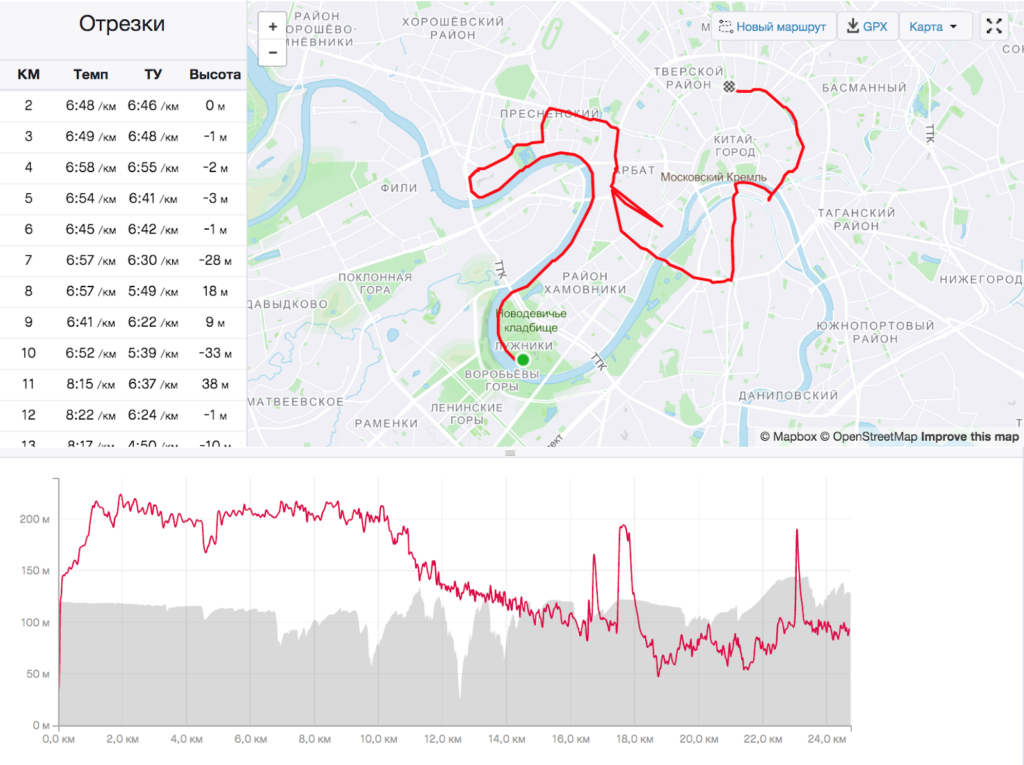
Кровавый кроссовок и
футболка-нож
Моё путешествие не обошлось без членовредительств.
Где-то за 15 километров до финиша мне стал натирать пятку правый кроссовок. Я намочил его, когда на ходу ополаскивал руки водой из бутылки, и он тут же стал шершавым и твёрдым. Вообще-то обычно, выходя из дома на пробежку, я беру с собой пластырь. Всегда, кроме того единственного утра в моей жизни, когда я отправился на марафон.
Было ясно, что в считанные минуты эта натёртость превратится сначала в волдырь, а потом — в кровавую рану. Единственным выходом было подойти к медикам, которые дежурили вдоль дистанции в машинах скорой помощи, и попросить пластырь у них.
Но, как назло, именно в этот момент ни одной машины скорой помощи в обозримой близости от меня не оказалось. Так что я решил просто забить на эту боль, справедливо рассудив, что раз кроссовок все последние месяцы был мне впору, он не сможет глубоко разрезать мне ногу своей кромкой, а просто уберёт часть кожи и мяса с верхнего края пятки. Так и случилось. Ранка получилась размером с десятирублёвую монетку и почти не мешала идти.
Примерно тогда, когда я смирился с дискомфортом от мокрого кроссовка, мне стала натирать мокрая от пота футболка. Это случилось в очень неожиданном месте: спереди левой подмышки. Прислушавшись к ощущениям тела, я понял, что футболку неудачно натягивает беговой пояс, надетый поверх неё. Пришлось его снять, свернуть в узел и дальше нести в руке или кармане. Это было не очень удобно, но избавило меня от проблем с острыми складками.
Где-то за 15 километров до финиша мне стал натирать пятку правый кроссовок. Я намочил его, когда на ходу ополаскивал руки водой из бутылки, и он тут же стал шершавым и твёрдым. Вообще-то обычно, выходя из дома на пробежку, я беру с собой пластырь. Всегда, кроме того единственного утра в моей жизни, когда я отправился на марафон.
Было ясно, что в считанные минуты эта натёртость превратится сначала в волдырь, а потом — в кровавую рану. Единственным выходом было подойти к медикам, которые дежурили вдоль дистанции в машинах скорой помощи, и попросить пластырь у них.
Но, как назло, именно в этот момент ни одной машины скорой помощи в обозримой близости от меня не оказалось. Так что я решил просто забить на эту боль, справедливо рассудив, что раз кроссовок все последние месяцы был мне впору, он не сможет глубоко разрезать мне ногу своей кромкой, а просто уберёт часть кожи и мяса с верхнего края пятки. Так и случилось. Ранка получилась размером с десятирублёвую монетку и почти не мешала идти.
Примерно тогда, когда я смирился с дискомфортом от мокрого кроссовка, мне стала натирать мокрая от пота футболка. Это случилось в очень неожиданном месте: спереди левой подмышки. Прислушавшись к ощущениям тела, я понял, что футболку неудачно натягивает беговой пояс, надетый поверх неё. Пришлось его снять, свернуть в узел и дальше нести в руке или кармане. Это было не очень удобно, но избавило меня от проблем с острыми складками.
Голод
Последней трудностью, с которой я столкнулся на марафоне, стал
голод. Можете быть уверены, худея на 50 килограммов, я хорошо успел
изучить все разновидности чувства отсутствия сытости. Но это было
другое. На марафоне во мне открылось какое-то звериное измерение
голода и вместе с ним животный нюх на поиск еды.
Наверное, это было закономерно. За 6 часов непрерывного движения на марафоне я потратил около 5 000 килокалорий. 800 килокалорий из них я компенсировал спортивными гелями. 300 килокалорий съел на завтрак: овсяная каша, банан и кофе с молоком. Получился дефицит где-то на 4000 килокалорий — норма питания на два дня среднестатистического человека. Логично, что во время движения мне постоянно хотелось есть.
Удивительно, как моё тело отреагировало на этот голод. У меня не кружилась голова, не сводило желудок, не пропали силы. Просто невероятно обострилось обоняние. Я стал отчётливо в мельчайших подробностях различать запахи из ресторанов, мимо которых проходил или пробегал. Это совершенно точно не было галлюцинацией. Я сначала чувствовал запах еды — пиццы или жаренного мяса — и потом находил глазами место, откуда он доносился.
На последней четверти марафона справиться с голодом мне очень помогла Пепси кола. Бутылки с ней появились на столах рядом с водой. Это была классическая Пепси кола, полная сахара и кофеина. Я выпил две или три таких бутылки и мне стало гораздо легче.
Ну и примерно на сороковом километре я всё-таки получил свой заветный банан, о котором мечтал всю дорогу. Не знаю, как в такой ситуации ведёт себя биохимия человека, но мне показалось, что я пересёк финишную черту бегом именно благодаря энергии этого банана.
Наверное, это было закономерно. За 6 часов непрерывного движения на марафоне я потратил около 5 000 килокалорий. 800 килокалорий из них я компенсировал спортивными гелями. 300 килокалорий съел на завтрак: овсяная каша, банан и кофе с молоком. Получился дефицит где-то на 4000 килокалорий — норма питания на два дня среднестатистического человека. Логично, что во время движения мне постоянно хотелось есть.
Удивительно, как моё тело отреагировало на этот голод. У меня не кружилась голова, не сводило желудок, не пропали силы. Просто невероятно обострилось обоняние. Я стал отчётливо в мельчайших подробностях различать запахи из ресторанов, мимо которых проходил или пробегал. Это совершенно точно не было галлюцинацией. Я сначала чувствовал запах еды — пиццы или жаренного мяса — и потом находил глазами место, откуда он доносился.
На последней четверти марафона справиться с голодом мне очень помогла Пепси кола. Бутылки с ней появились на столах рядом с водой. Это была классическая Пепси кола, полная сахара и кофеина. Я выпил две или три таких бутылки и мне стало гораздо легче.
Ну и примерно на сороковом километре я всё-таки получил свой заветный банан, о котором мечтал всю дорогу. Не знаю, как в такой ситуации ведёт себя биохимия человека, но мне показалось, что я пересёк финишную черту бегом именно благодаря энергии этого банана.
Автобус смерти
Ещё одно яркое впечатление от марафона связано у меня с автобусом,
а точнее автобусами (их было два), которые ехали за колонной
бегунов и собирали тех, кто не уложился в нормативы времени.
Я знал, что мне предстоит увидеть этот механизм и заранее стал называть его «автобус смерти». Впервые я увидел эту колонну из двух автобусов возле Новопушкинского сквера: они заезжали на Тверской бульвар, а я уже сворачивал с него на Тверскую.
Это были обычные белые автобусы, похожие на экскурсионные. Двигались они медленно и неумолимо.
Сейчас по карте я вижу, что нас отделяли целых два километра. Но в тот момент, мне показалось, что «автобус смерти» едет практически позади меня. «Автобус смерти придёт за тобой! Автобус смерти придёт за тобой!» — твердил я про себя, как заведённый, и старался, как мог, прибавить шаг.
Эти автобусы пугали меня, как равнодушный и безжалостный убийца из триллера. И в тоже время слегка веселили, так как своим стремлением «съесть» отстающих бегунов напоминали Пакмана или Змейку из восьмибитных игр моего детства.
Второй раз я увидел эту колонну на Котельнической набережной рядом с высоткой. Я уже направлялся к Лужникам, а они ехали ещё в сторону Гончарного проезда. На моих глазах «автобус смерти» поравнялся с девушкой, которая едва переставляла ноги. Остановился.
Из автобуса вышла строгая женщина в очках и с папкой, похожая на школьного завуча. Бегунья при виде неё сделала рывок, похожий на агонию антилопы, упавшей в овраг с крокодилами. Но завуч остановила её решительный возгласом:
— Девушка, сядьте в автобус! Вы не уложились во время. Для вас марафон закончился.
Я не рассмотрел, признала девушка над собой власть этой неумолимой дамы или начала препираться. Просто прибавил шаг, повторяя, как Бенедикт из романа «Кысь» Татьяны Толстой: «Боже упаси, боже упаси. Я не болен, я не болен, нет, нет, нет. Не надо приезжать, не надо, не надо…»
Я знал, что мне предстоит увидеть этот механизм и заранее стал называть его «автобус смерти». Впервые я увидел эту колонну из двух автобусов возле Новопушкинского сквера: они заезжали на Тверской бульвар, а я уже сворачивал с него на Тверскую.
Это были обычные белые автобусы, похожие на экскурсионные. Двигались они медленно и неумолимо.
Сейчас по карте я вижу, что нас отделяли целых два километра. Но в тот момент, мне показалось, что «автобус смерти» едет практически позади меня. «Автобус смерти придёт за тобой! Автобус смерти придёт за тобой!» — твердил я про себя, как заведённый, и старался, как мог, прибавить шаг.
Эти автобусы пугали меня, как равнодушный и безжалостный убийца из триллера. И в тоже время слегка веселили, так как своим стремлением «съесть» отстающих бегунов напоминали Пакмана или Змейку из восьмибитных игр моего детства.
Второй раз я увидел эту колонну на Котельнической набережной рядом с высоткой. Я уже направлялся к Лужникам, а они ехали ещё в сторону Гончарного проезда. На моих глазах «автобус смерти» поравнялся с девушкой, которая едва переставляла ноги. Остановился.
Из автобуса вышла строгая женщина в очках и с папкой, похожая на школьного завуча. Бегунья при виде неё сделала рывок, похожий на агонию антилопы, упавшей в овраг с крокодилами. Но завуч остановила её решительный возгласом:
— Девушка, сядьте в автобус! Вы не уложились во время. Для вас марафон закончился.
Я не рассмотрел, признала девушка над собой власть этой неумолимой дамы или начала препираться. Просто прибавил шаг, повторяя, как Бенедикт из романа «Кысь» Татьяны Толстой: «Боже упаси, боже упаси. Я не болен, я не болен, нет, нет, нет. Не надо приезжать, не надо, не надо…»
Финиш
Где-то на 35 километре у меня возникло чувство, что я могу
финишировать вовремя.
Я видел, что не теряю в темпе, замечал по уличным часам, что укладываюсь по времени, «автобус смерти» не дышал мне в спину и у меня ещё оставались силы.
К этому моменту моё напряжение достигло пика и я превратился в шагающий механизм. Марафон для меня длился уже больше пяти часов. Чтобы держать голову покое, я стал намечать на трассе цели, до которых должен дойти, и бесконечно прокручивал в уме их названия в ритме дыхания и шагов.
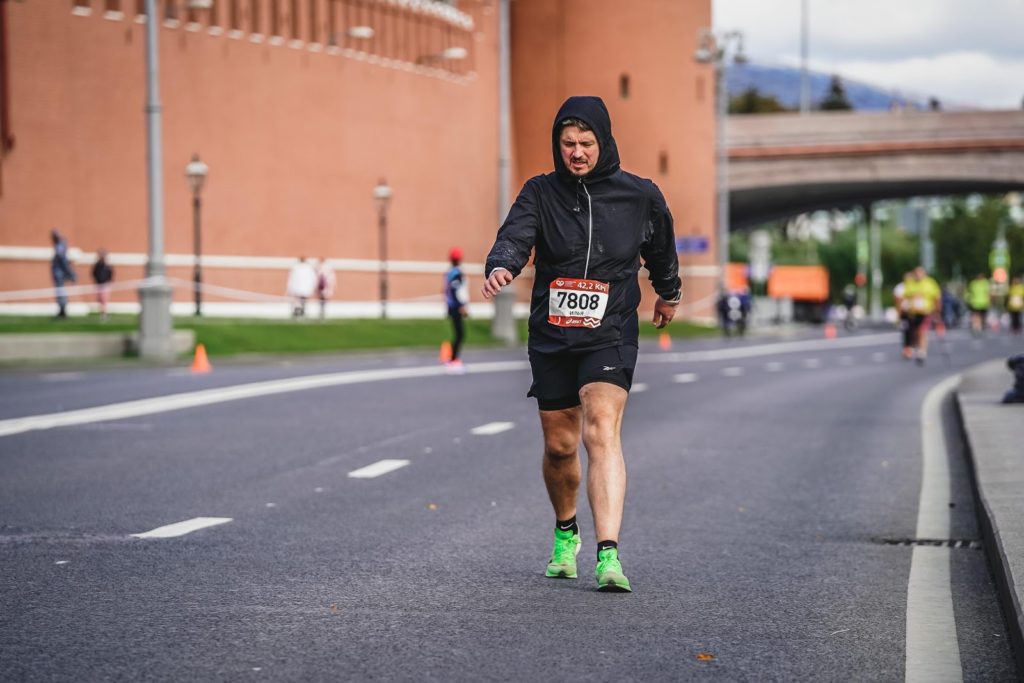
Я видел, что не теряю в темпе, замечал по уличным часам, что укладываюсь по времени, «автобус смерти» не дышал мне в спину и у меня ещё оставались силы.
К этому моменту моё напряжение достигло пика и я превратился в шагающий механизм. Марафон для меня длился уже больше пяти часов. Чтобы держать голову покое, я стал намечать на трассе цели, до которых должен дойти, и бесконечно прокручивал в уме их названия в ритме дыхания и шагов.
«37-38», «37-38»… — для меток 37-го и 38-го километра. «39-41»,
«39-41» — когда 38 километр остался позади. Около полутора часов в
моей голову звучалии только цифры.
Если основная часть моей прогулки по пустому городу напоминала декорации фильма-катастрофы, вроде «Послезавтра», то ближе к концу марафона я оказался внутри сериала «Ходячие мертвецы». Вокруг меня, с трудом переставляя ноги, брели десятки бегунов, которые выдохлись, но всё ещё стремились к финишу.
Почему-то считанные единицы из них пытались перейти на быструю ходьбу как полноценный вид передвижения. Большинство, ковыляя, собирали остатки сил и внезапно начинали бежать, чтобы выгореть через 10-15 шагов и снова почти остановиться.
По данным администрации марафона, из 9800 спортсменов, которые стартовали на Московском марафоне, 400 человек не смогли финишировать. Кто-то из них просто сошёл с дистанции. Кого-то забрал «автобус смерти». Но, думаю, большинство мне удалось нагнать и увидеть на последних километрах своего путешествия.
В основном это были похожие на меня люди: не слишком молодые, не слишком тренированные, но всех их объединяло невероятное упорство.
Мне запомнился седобородый и грузный мужчина лет 50, который, как и я, шёл к финишу решительным и быстрым шагом, а перед ним на электросамокате ехала юная девушка (наверное, дочка) и всячески его подбадривала. Очень трогательная картина.
Вообще среди этих зомби царил очень добрый настрой: все друг друга мотивировали, улыбались, когда у одного парня передо мной свело ногу, тут же два человека, находившихся рядом, кинулись ему помогать.
Всё это разительно отличалось от войны всех со всеми, которую, как я узнал потом, устроили между собой элитные спортсмены, бившейся за призовые места. Финиш на этом марафоне и вовсе ознаменовался скандалом, когда победитель Юрий Чечун показал неприличный жест Искандеру Ядгарову, занявшему второе место.
Если основная часть моей прогулки по пустому городу напоминала декорации фильма-катастрофы, вроде «Послезавтра», то ближе к концу марафона я оказался внутри сериала «Ходячие мертвецы». Вокруг меня, с трудом переставляя ноги, брели десятки бегунов, которые выдохлись, но всё ещё стремились к финишу.
Почему-то считанные единицы из них пытались перейти на быструю ходьбу как полноценный вид передвижения. Большинство, ковыляя, собирали остатки сил и внезапно начинали бежать, чтобы выгореть через 10-15 шагов и снова почти остановиться.
По данным администрации марафона, из 9800 спортсменов, которые стартовали на Московском марафоне, 400 человек не смогли финишировать. Кто-то из них просто сошёл с дистанции. Кого-то забрал «автобус смерти». Но, думаю, большинство мне удалось нагнать и увидеть на последних километрах своего путешествия.
В основном это были похожие на меня люди: не слишком молодые, не слишком тренированные, но всех их объединяло невероятное упорство.
Мне запомнился седобородый и грузный мужчина лет 50, который, как и я, шёл к финишу решительным и быстрым шагом, а перед ним на электросамокате ехала юная девушка (наверное, дочка) и всячески его подбадривала. Очень трогательная картина.
Вообще среди этих зомби царил очень добрый настрой: все друг друга мотивировали, улыбались, когда у одного парня передо мной свело ногу, тут же два человека, находившихся рядом, кинулись ему помогать.
Всё это разительно отличалось от войны всех со всеми, которую, как я узнал потом, устроили между собой элитные спортсмены, бившейся за призовые места. Финиш на этом марафоне и вовсе ознаменовался скандалом, когда победитель Юрий Чечун показал неприличный жест Искандеру Ядгарову, занявшему второе место.
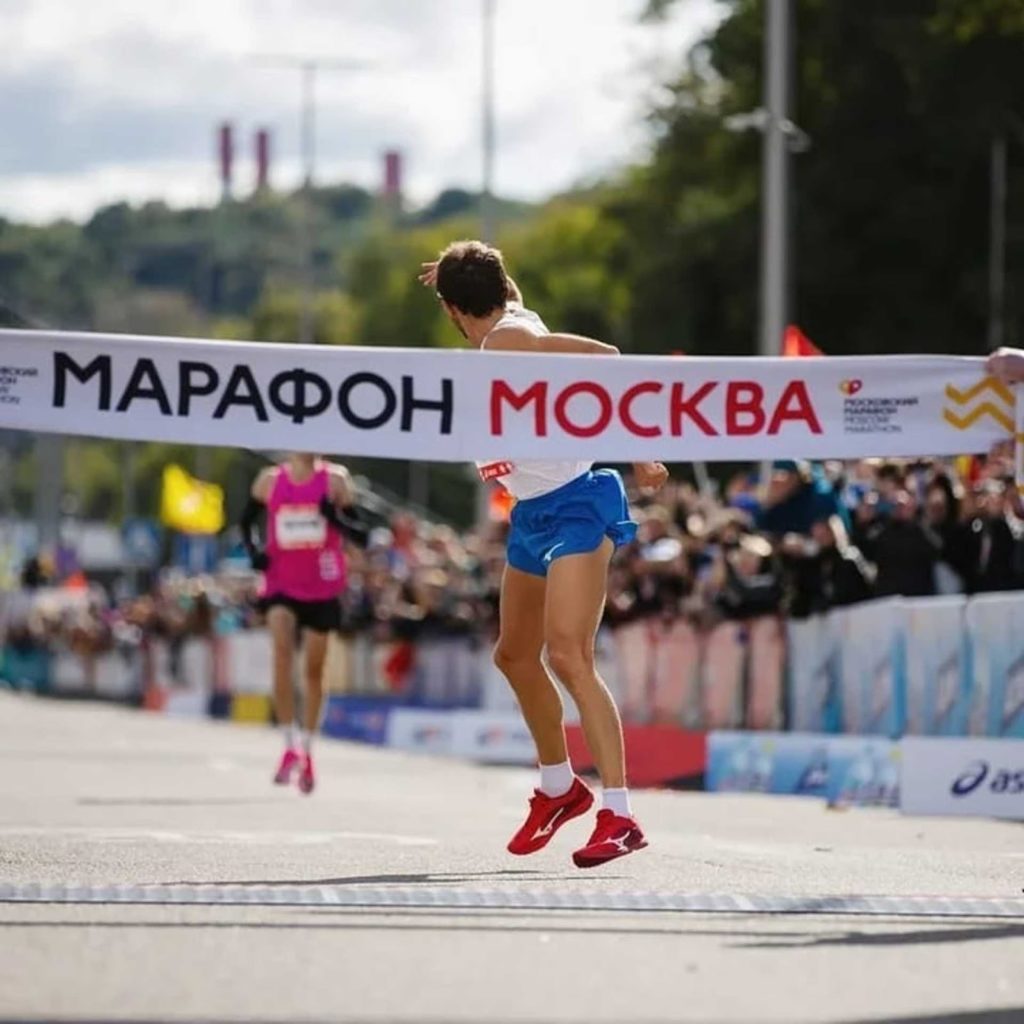
Километра за четыре до финиша мне предстояло вновь сделать
непростой выбор: бежать или идти. С одной стороны, у меня точно
оставались силы на финальный рывок. И я мог попытаться отвоевать
бегом дополнительные 15-20 минут.
С другой стороны, было ясно, что я уложусь в норму 6 часов, если просто продолжу идти быстрым шагом. И я решил не рисковать: непонятно было, как отреагирует моё тело на бег после пяти с половиной часов движения. Например, я мог споткнуться, или ногу свело бы судорогой, или подскочило давление.
И хотя волонтеры на последних километрах, видя, как решительно и бодро я иду, кричали «Беги! У тебя получится!» я не поддался на их призывы и пробежал только последние 200 метров до финиша, чтобы порадовать себя и немногочисленных зрителей, которые там ещё были.
С другой стороны, было ясно, что я уложусь в норму 6 часов, если просто продолжу идти быстрым шагом. И я решил не рисковать: непонятно было, как отреагирует моё тело на бег после пяти с половиной часов движения. Например, я мог споткнуться, или ногу свело бы судорогой, или подскочило давление.
И хотя волонтеры на последних километрах, видя, как решительно и бодро я иду, кричали «Беги! У тебя получится!» я не поддался на их призывы и пробежал только последние 200 метров до финиша, чтобы порадовать себя и немногочисленных зрителей, которые там ещё были.
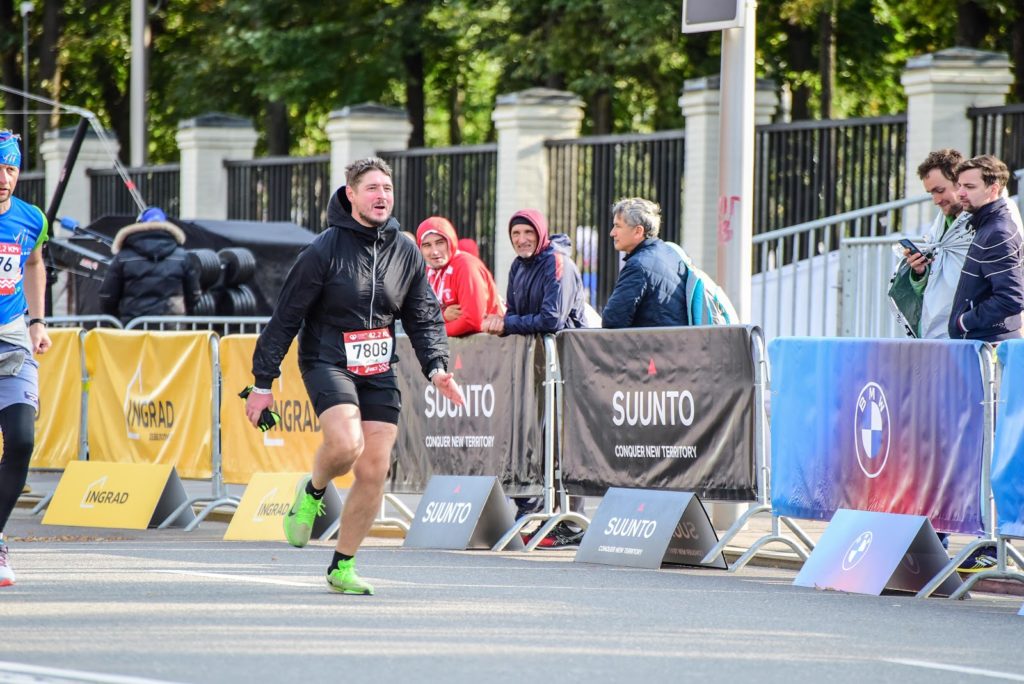
Когда через 5 часов 54 минуты и 48 секунд после старта мои ноги
пересекали финишную черту Московского марафона, я чувствовал себя
капитаном Джеком Воробьем из первой части фильма «Пираты Карибского
моря». В том эпизоде, где он приблизился к городской набережной на
крошечной тонущей шхуне и сделал шаг на причал именно в тот момент,
когда судно полностью ушло на дно. Так же и я, весело и бодро
финишировал на последних минутах марафона. И был этому невероятно
рад.
Жизнь после марафона
На финише я получил медаль участника. Завернулся в одеяло из
фольги, любезно предложенное мне волонтёрами, взял пару бананов на
пункте питания, две бутылки воды и начал привыкать к мысли, что
сделал невероятное. В 39 лет без многолетних занятий спортом за
плечами я преодолел марафон.
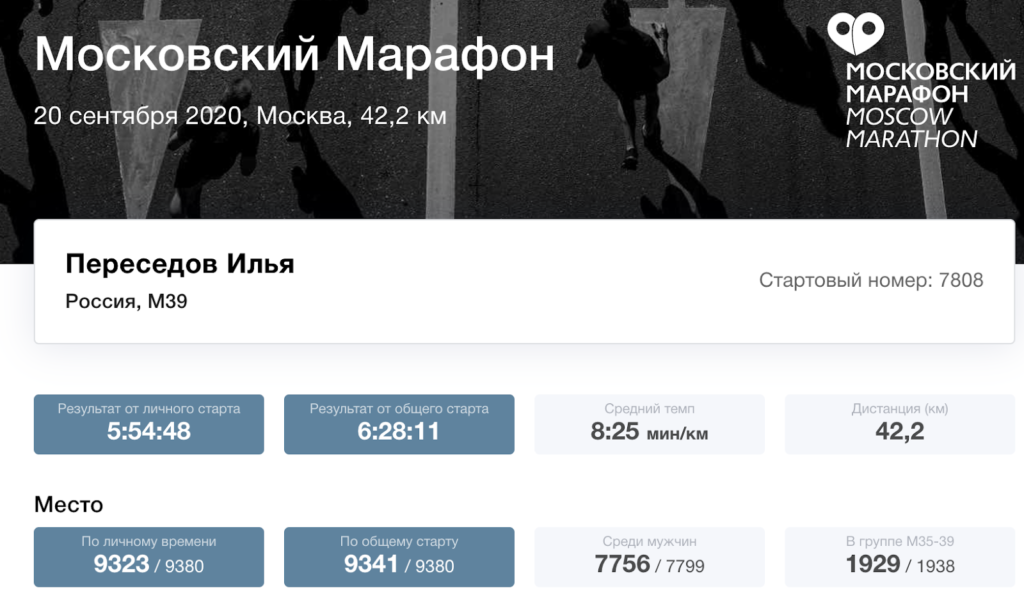
Должен заметить, чувствовал я себя при этом гораздо лучше, чем
после Питерского полумарафона. И это была первая мудрость, которую
я вынес из марафонского испытания.
В Питере я бежал дистанцию 21.1 километр. Бежал по жаре, с максимальной скоростью, на которую был способен. Когда через 2 часа 18 минут после старта я финишировал, мне было чудовищно плохо. Меня тошнило, у меня болела голова. Я не мог даже радоваться успеху, потому что чувствовал лишь бессилие и боль. И это, повторюсь, при результате 2 часа 18 минут на 21.1 километр.
На Московском марафоне я преодолел середину дистанции — эти же 21.1 километр — через 2 часа 40 минут после старта. И после этого двигался ещё непрерывно три часа, отмахал такое же расстояние, финишировал бегом и чувствовал себя вполне пристойно.
Так я понял, что в Питере меня чуть не убила вовсе не полумарафонская дистанция, а высокая скорость и высокий пульс, на котором я бежал, чтобы отвоевать эти несчастные 20 минут. Время, которое ничего принципиально не меняло для меня по сути. Правду говорили наши предки: тише едешь, дальше будешь.
Итак, я финишировал. Уставший, замёрзший, голодный с окровавленной ногой. Но с ясной головой, без высокого давления (до того, как часы умерли, они показывали мне пульс на уровне 120-130 ударов в минуту. Думаю, он был примерно таким и на финише). У меня не болели колени, не болела спина и вообще не было никаких проблем с суставами.
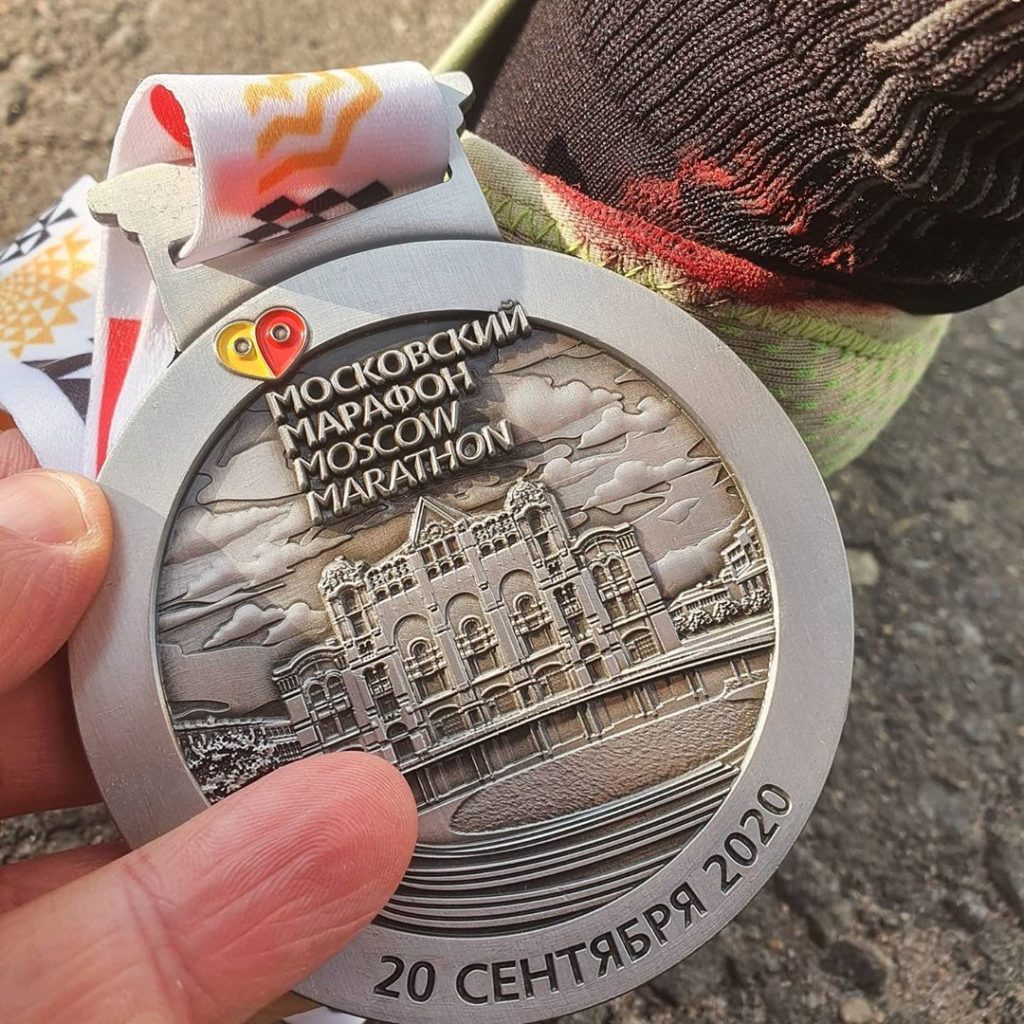
В Питере я бежал дистанцию 21.1 километр. Бежал по жаре, с максимальной скоростью, на которую был способен. Когда через 2 часа 18 минут после старта я финишировал, мне было чудовищно плохо. Меня тошнило, у меня болела голова. Я не мог даже радоваться успеху, потому что чувствовал лишь бессилие и боль. И это, повторюсь, при результате 2 часа 18 минут на 21.1 километр.
На Московском марафоне я преодолел середину дистанции — эти же 21.1 километр — через 2 часа 40 минут после старта. И после этого двигался ещё непрерывно три часа, отмахал такое же расстояние, финишировал бегом и чувствовал себя вполне пристойно.
Так я понял, что в Питере меня чуть не убила вовсе не полумарафонская дистанция, а высокая скорость и высокий пульс, на котором я бежал, чтобы отвоевать эти несчастные 20 минут. Время, которое ничего принципиально не меняло для меня по сути. Правду говорили наши предки: тише едешь, дальше будешь.
Итак, я финишировал. Уставший, замёрзший, голодный с окровавленной ногой. Но с ясной головой, без высокого давления (до того, как часы умерли, они показывали мне пульс на уровне 120-130 ударов в минуту. Думаю, он был примерно таким и на финише). У меня не болели колени, не болела спина и вообще не было никаких проблем с суставами.
Но сразу на финише и 5 дней после него у меня дико болело мясо по
всему телу: бёдра, ягодицы, икры, плечи, спина, даже шея. Правый
кроссовок напитался кровью от раны на пятке. Ветровка была белой
снаружи от проступившего пота. Я дико хотел есть, спать и не хотел
больше не иметь ничего общего с любыми спортивными
мероприятиями.
Надо заметить, это чувство сохранилось у меня и через полторы недели после марафона. Мне не хочется пока участвовать ни в каких долгих забегах и походах. Поэтому я вернулся к тренировкам на аэробных тренажёрах в зале.
Мои следующие цели в работе над собой: подготовиться к сдаче нормативов ГТО и снизить вес на 10-15 килограммов. После марафона с полумарафонами я почувствовал потребность дохудеть, чтобы легче переносить длительные нагрузки от бега и ходьбы.
Надо заметить, это чувство сохранилось у меня и через полторы недели после марафона. Мне не хочется пока участвовать ни в каких долгих забегах и походах. Поэтому я вернулся к тренировкам на аэробных тренажёрах в зале.
Мои следующие цели в работе над собой: подготовиться к сдаче нормативов ГТО и снизить вес на 10-15 килограммов. После марафона с полумарафонами я почувствовал потребность дохудеть, чтобы легче переносить длительные нагрузки от бега и ходьбы.
Зачем всё это было нужно?
Когда знакомые спрашивают, зачем мне было нужно в моём возрасте
бежать полумарафоны и истязать себя шестичасовым марафоном, я
отшучиваюсь: Почему Путин летает со стерхами? Потому что
может.
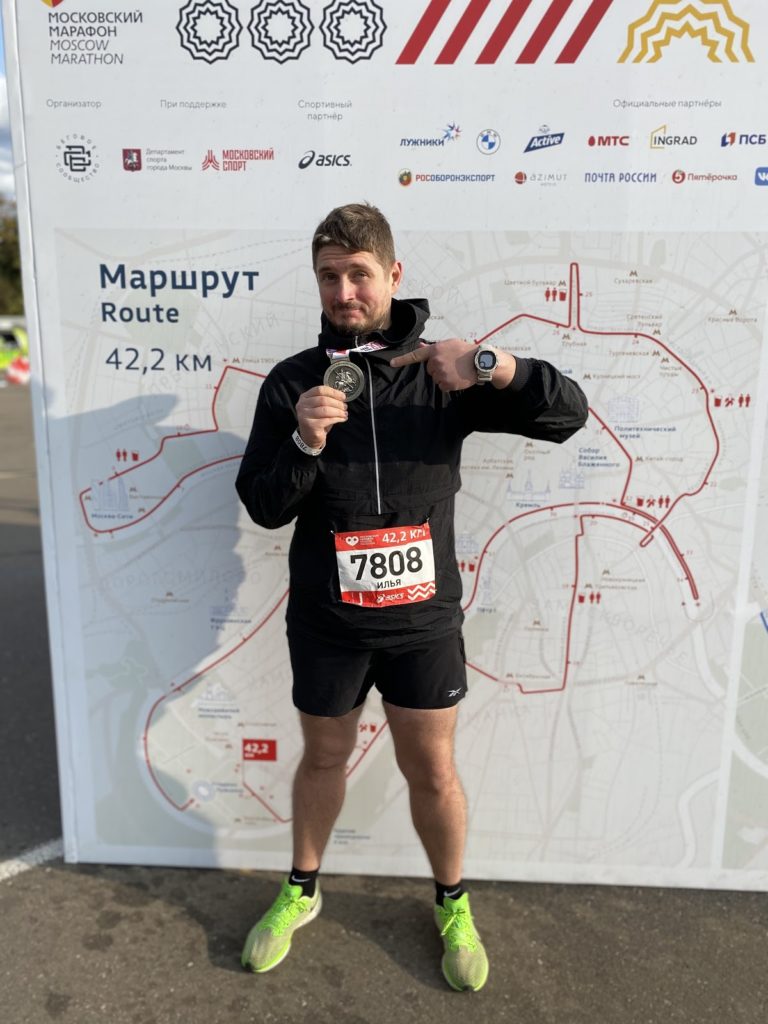
Но, если серьёзно, у моего героизма было три причины:
1. Я не хочу чувствовать себя больным и не хотел выглядеть в своих глазах инвалидом
Ожирение третьей степени — это тяжело. Фактически этот диагноз означает, что ты — человек с ограниченными возможностями (попросту говоря, инвалид): тебе трудно ходить, трудно дышать, у тебя постоянные проблемы с давлением, болят суставы, ты мучаешься от перепадов настроения. И вдобавок к этому непрерывно испытываешь дискомфорт от своего внешнего вида и реакции на него окружающих.
Но последнее, что ты готов чувствовать в этом состоянии — признавать себя больным и немощным. Если бы на старте работы над собой я стал смотреть на себя как на пациента, которому надо худеть ценой чудовищных усилий, лишь ради того, чтобы стать одним из обывателей. Со скромным животиком и размеренной жизнью, я бы совершенно точно не прошёл этот путь.
Масштабные дела требуют амбициозных целей. Поэтому с первых дней работы над собой я сразу стремился не просто улучшить свою форму, а превзойти своими физическими качествами и навыками использования своего тела большинство людей, которые меня окружают.
И это стремление изо дня в день заставляло меня двигаться дальше.
Марафон стал важным итогом этого моего проекта.
2. Я хотел испытать и продемонстрировать окружающим предельные возможности ходьбы
За то время, пока я занимался развитием и укреплением своего тела, я заметил, что среди бегунов, любителей фитнеса и просто обычных граждан можно встретить пренебрежительное отношение к ходьбе. И это при том, что ходьба — олимпийский вид спорта и полноценная легкоатлетическая нагрузка, у которой есть ряд преимуществ по сравнению с бегом или занятиями в тренажёрном зале.
От бега ходьбу выгодно отличает отсутствие при движении фазы полёта и, соответственно, удара по суставам в момент приземления. А от занятий в тренажёрном зале то, что в ходьбе задействовано большинство мышц нашего тела, которые при ходьбе привыкают работать слаженно и синхронно.
Ну и главное: ходьба позволяет сжигать калории, тренировать выносливость и укреплять сердце. И делает это очень щадяще для нашей нервной системы, что для меня как рафинированного интеллектуала было очень важно.
В итоге благодаря ходьбе всего через год регулярных занятий я смог преодолеть марафон, что было бы абсолютно невозможно, занимайся я исключительно бегом.
3. Ради фана
Повторю утверждение, с которого начинал этот текст: марафон — это история ни разу не про здоровье.
Да, марафоны используют для пропаганды здорового образа жизни. И люди, которые выходят на марафон, обычно здоровее тех, кто на них смотрит. Но сами марафоны ни разу не укрепляют здоровье. В лучшем случае, не вредят ему.
Если говорить о пользе бега, то Кеннет Купер — американский врач, культовый автор теории аэробных нагрузок — в результате многолетних исследований пришёл к выводу, что необходимой и достаточной беговой дистанцией для здоровья является расстояние всего в 5 километров.
Но если марафоны не продлевают нам жизнь, не значит, что они плохие.
«Всё, всё, что гибелью грозит,
Для сердца смертного таит
Неизъяснимы наслажденья —
Бессмертья, может быть, залог!
И счастлив тот, кто средь волненья
Их обретать и ведать мог»
Лично мне вообще претит идея бесконечной земной жизни. И меня больше волнует не продолжительность своего телесного существования, а его качество. Поэтому, мне кажется бессмысленным укреплять здоровье, лишь ревностно его оберегая. Это всё равно, что строить у себя в гараже гоночный автомобиль и потом хранить его годами за закрытыми дверями под плёнкой.
Если твоё тело становится выносливым и сильным, интересно воспользоваться его новыми способностями. Протестировать его на пределе возможностей. Это чувство похоже, как если втопить в пол педаль газа у мощной машины на скоростной трассе.
К тому же я верю, что характер человека поддаётся развитию и воспитанию. И ему полезно время от времени подвергаться таким добровольным стрессам. Например, могу заметить, что марафон полностью перегрузил мою психику и избавил от стресса по рабочему вопросу, из-за которого я перед этим мучался недели три.
Ну и, наконец, мне очень понравилось принять участие в таком многотысячном действии. И чувствовать себя частью этого великолепного народа бегунов, хоть и плетущейся в самом его хвосте.
Во последних строках своего письма-текста я хочу призвать читателей заниматься ходьбой и предостеречь их от стремления повторить мой подвиг. Иначе, как было сказано выше, вы можете стать жертвой «Ошибки выживших», а это чревато печальными последствиями для тех, кто её совершит.
1. Я не хочу чувствовать себя больным и не хотел выглядеть в своих глазах инвалидом
Ожирение третьей степени — это тяжело. Фактически этот диагноз означает, что ты — человек с ограниченными возможностями (попросту говоря, инвалид): тебе трудно ходить, трудно дышать, у тебя постоянные проблемы с давлением, болят суставы, ты мучаешься от перепадов настроения. И вдобавок к этому непрерывно испытываешь дискомфорт от своего внешнего вида и реакции на него окружающих.
Но последнее, что ты готов чувствовать в этом состоянии — признавать себя больным и немощным. Если бы на старте работы над собой я стал смотреть на себя как на пациента, которому надо худеть ценой чудовищных усилий, лишь ради того, чтобы стать одним из обывателей. Со скромным животиком и размеренной жизнью, я бы совершенно точно не прошёл этот путь.
Масштабные дела требуют амбициозных целей. Поэтому с первых дней работы над собой я сразу стремился не просто улучшить свою форму, а превзойти своими физическими качествами и навыками использования своего тела большинство людей, которые меня окружают.
И это стремление изо дня в день заставляло меня двигаться дальше.
Марафон стал важным итогом этого моего проекта.
2. Я хотел испытать и продемонстрировать окружающим предельные возможности ходьбы
За то время, пока я занимался развитием и укреплением своего тела, я заметил, что среди бегунов, любителей фитнеса и просто обычных граждан можно встретить пренебрежительное отношение к ходьбе. И это при том, что ходьба — олимпийский вид спорта и полноценная легкоатлетическая нагрузка, у которой есть ряд преимуществ по сравнению с бегом или занятиями в тренажёрном зале.
От бега ходьбу выгодно отличает отсутствие при движении фазы полёта и, соответственно, удара по суставам в момент приземления. А от занятий в тренажёрном зале то, что в ходьбе задействовано большинство мышц нашего тела, которые при ходьбе привыкают работать слаженно и синхронно.
Ну и главное: ходьба позволяет сжигать калории, тренировать выносливость и укреплять сердце. И делает это очень щадяще для нашей нервной системы, что для меня как рафинированного интеллектуала было очень важно.
В итоге благодаря ходьбе всего через год регулярных занятий я смог преодолеть марафон, что было бы абсолютно невозможно, занимайся я исключительно бегом.
3. Ради фана
Повторю утверждение, с которого начинал этот текст: марафон — это история ни разу не про здоровье.
Да, марафоны используют для пропаганды здорового образа жизни. И люди, которые выходят на марафон, обычно здоровее тех, кто на них смотрит. Но сами марафоны ни разу не укрепляют здоровье. В лучшем случае, не вредят ему.
Если говорить о пользе бега, то Кеннет Купер — американский врач, культовый автор теории аэробных нагрузок — в результате многолетних исследований пришёл к выводу, что необходимой и достаточной беговой дистанцией для здоровья является расстояние всего в 5 километров.
Но если марафоны не продлевают нам жизнь, не значит, что они плохие.
«Всё, всё, что гибелью грозит,
Для сердца смертного таит
Неизъяснимы наслажденья —
Бессмертья, может быть, залог!
И счастлив тот, кто средь волненья
Их обретать и ведать мог»
Лично мне вообще претит идея бесконечной земной жизни. И меня больше волнует не продолжительность своего телесного существования, а его качество. Поэтому, мне кажется бессмысленным укреплять здоровье, лишь ревностно его оберегая. Это всё равно, что строить у себя в гараже гоночный автомобиль и потом хранить его годами за закрытыми дверями под плёнкой.
Если твоё тело становится выносливым и сильным, интересно воспользоваться его новыми способностями. Протестировать его на пределе возможностей. Это чувство похоже, как если втопить в пол педаль газа у мощной машины на скоростной трассе.
К тому же я верю, что характер человека поддаётся развитию и воспитанию. И ему полезно время от времени подвергаться таким добровольным стрессам. Например, могу заметить, что марафон полностью перегрузил мою психику и избавил от стресса по рабочему вопросу, из-за которого я перед этим мучался недели три.
Ну и, наконец, мне очень понравилось принять участие в таком многотысячном действии. И чувствовать себя частью этого великолепного народа бегунов, хоть и плетущейся в самом его хвосте.
Во последних строках своего письма-текста я хочу призвать читателей заниматься ходьбой и предостеречь их от стремления повторить мой подвиг. Иначе, как было сказано выше, вы можете стать жертвой «Ошибки выживших», а это чревато печальными последствиями для тех, кто её совершит.
Другие тексты Илья Переседова на
Зожнике:
Скандинавская ходьба — полноценный фитнес или досуг пенсионеров?
Бочка дегтя и ложка мёда про книгу “9 шагов здоровой потери веса” + ответы и возражения
“Тренируйся как уголовник”
“Лучше быть толстяком, чем фит-фашистом”
Вся правда про колледж Вейдера. Развернутый отзыв
Скандинавская ходьба — полноценный фитнес или досуг пенсионеров?
Бочка дегтя и ложка мёда про книгу “9 шагов здоровой потери веса” + ответы и возражения
“Тренируйся как уголовник”
“Лучше быть толстяком, чем фит-фашистом”
Вся правда про колледж Вейдера. Развернутый отзыв
Предприниматель
и редактор Илья Переседов написал для Зожника этот занимательный
лонгрид о том, как можно преодолеть Московский марафон, занимаясь
преимущественно ходьбой. Не повторяйте ошибок выжившего.
19
6
На самом деле над приложением “Дневник Зожника” команда проекта Health-diet.ru трудится уже более 5 лет, время и отзывы пользователей отточили интерфейс и пользоваться им реально удобно.
Можете сразу же пройти в Google Play и, соответственно AppStore, почитать отзывы и скачать приложение.
Сразу скажем, что приложение вы можете попробовать бесплатно и решить, нужна ли вам платная версия (750 р. / год) или продолжить пользоваться бесплатной. В ней все еще останется много нужного функционала + лента Зожника с комментариями.
Это действительно максимально подробное приложение для учета своего питания с подробной базой нутриентов.
Вот что может
ДНЕВНИК УЧЕТА ПИТАНИЯ
– подсчет калорийности, белков, жиров, углеводов, витаминов,
минералов и других нутриентов по приёмам пищи за день. Основные базы данных: Скурихин и USDA
(*нутрициологи и диетологи заценят).
– более 9000 продуктов и блюд с подробным химическим составом;
– индивидуальные дневники питания и тренировок для 6 членов семьи;
– добавление своих продуктов и рецептов с учётом потерь нутриентов и массы при кулинарной обработке;
– поиск среди продуктов-лидеров – самых полезных продуктов с максимальным содержанием витаминов и минералов;
– более 9000 продуктов и блюд с подробным химическим составом;
– индивидуальные дневники питания и тренировок для 6 членов семьи;
– добавление своих продуктов и рецептов с учётом потерь нутриентов и массы при кулинарной обработке;
– поиск среди продуктов-лидеров – самых полезных продуктов с максимальным содержанием витаминов и минералов;
Например, если у вас не хватает в питании железа, можно отсортировать всю базу продуктов по содержанию в них железа на 100 г (или на 100 ккал) и посмотреть, что лучше всего добавить в рацион.
– поиск среди рецептов, созданных другими пользователями;
– подробные отчёты и диаграммы поступления нутриентов за день, неделю, месяц и другой период, отчёты энергетического баланса, соотношения белков-жиров-углеводов по приёмам пищи и за любой период.
– подробные отчёты и диаграммы поступления нутриентов за день, неделю, месяц и другой период, отчёты энергетического баланса, соотношения белков-жиров-углеводов по приёмам пищи и за любой период.
Что может дневник тренировок
– наиболее полная база упражнений, включающая силовые, кардио, а
также игровые виды спорта и спорт на открытом воздухе;
– расчёт энергозатрат по всем упражнениям, в том числе и по силовым;
– справка по упражнениям с описанием техники, фотографиями и обучающим видео;
– учёт времени, подходов, количества повторений, веса снаряда, дистанции, интенсивности, времени отдыха, типа и темпа силового движения и других параметров для упражнений;
– создание своих упражнений с нужными параметрами и расчётом энергозатрат; – тренировочные программы для женщин и мужчин для различных целей (набор массы, рост силы, рельеф), в тренажёрном зале и дома;
– возможность создания своей тренировочной программы для быстрого заполнения дневника;
– отчёты по тренировками, позволяющие оценить динамику, регулярность и прогрессию нагрузок;
Ссылки на приложение:
– расчёт энергозатрат по всем упражнениям, в том числе и по силовым;
– справка по упражнениям с описанием техники, фотографиями и обучающим видео;
– учёт времени, подходов, количества повторений, веса снаряда, дистанции, интенсивности, времени отдыха, типа и темпа силового движения и других параметров для упражнений;
– создание своих упражнений с нужными параметрами и расчётом энергозатрат; – тренировочные программы для женщин и мужчин для различных целей (набор массы, рост силы, рельеф), в тренажёрном зале и дома;
– возможность создания своей тренировочной программы для быстрого заполнения дневника;
– отчёты по тренировками, позволяющие оценить динамику, регулярность и прогрессию нагрузок;
Ссылки на приложение:


Качайте, пробуйте, пишите отзывы – мы будем
благодарны!
Сразу
скажем, что приложение вы можете попробовать бесплатно и решить,
нужна ли вам платная версия (750 р. / год) или продолжить
пользоваться бесплатной. В ней все еще останется много нужного
функционала + лента Зожника с комментариями.
11
11
Пару недель назад читателям Зожника хорошо
зашел Дэн Джон, вываливший накопленную мудрость в статью
“Тренировочное
долголетие – как быть в форме всю жизнь“. Сегодня Дэн вещает о
мотивации и целях без пафоса.
После публикации очередной своей статьи я получаю уйму сообщений с просьбой составить программу. С радостью бы помог каждому, но почти всегда возникает одна проблема. Не хочу изображать Станиславского, но я всех спрашиваю: какова мотивация? Почему вы хотите согнуть гриф этим весом? Или насыпать молотых семян льна в протеиновый коктейль? Или забежать на этот холм с рюкзаком, лямки которого прорезают трапеции, и гантелями, грифы которых выскальзывают из пальцев?
После публикации очередной своей статьи я получаю уйму сообщений с просьбой составить программу. С радостью бы помог каждому, но почти всегда возникает одна проблема. Не хочу изображать Станиславского, но я всех спрашиваю: какова мотивация? Почему вы хотите согнуть гриф этим весом? Или насыпать молотых семян льна в протеиновый коктейль? Или забежать на этот холм с рюкзаком, лямки которого прорезают трапеции, и гантелями, грифы которых выскальзывают из пальцев?
Мотивация – интересная штука
Тренерам почему-то нравится, когда к ним приходят мотивированные
клиенты. Вот, например, портрет моего идеального пациента:
У Джули через 3 месяца встреча выпускников. Там будет ее бывшая лучшая подруга, которая сейчас замужем за ее бывшим супругом, который изменил с лучшей подругой, которая тогда еще не была бывшей. И еще там будет Фил, старый бойфренд, которого она так и не смогла окончательно забыть и который сейчас купается в деньгах, выгодно продав акции Microsoft. Только Джули сейчас на 10 килограммов тяжелее той веселой чирлидерши, которую все они помнят, и просит вас помочь ей похудеть к важной встрече.
Если вы скажете “Ну, давайте начнем с укрепления связок и сухожилий подготовительными упражнениями в течение 10 недель“, она отправится на поиски другого тренера, не выслушивая до конца эту рекомендацию.
Она ждет нечто такое: “Так, месяц ешь только яйца, 8 литров воды в сутки, каждое утро начинается с тренажерного зала, по вечерам – спринты. Еще у меня есть немного витаминок, запрещенных Минздравом, тоже помогут“.
Самые суровые, убийственные нагрузки будут приняты с радостью. Не время полумер. Джули необходимо не только уесть подругу, но еще проучить бывшего мужа и поразить потенциального жениха; мотивации столько, что можно пахать до отказа целых 3 месяца.
Однако чаще тренерам приходится работать с ХУДШИМИ клиентами, такими, как… большинство из нас! Мы понимаем, как хотим выглядеть и сколько поднимать, но всё не можем выбрать методику и не имеем дедлайна, заставляющего браться за работу. Так что поговорим о постановке целей и обретении мотивации.
У Джули через 3 месяца встреча выпускников. Там будет ее бывшая лучшая подруга, которая сейчас замужем за ее бывшим супругом, который изменил с лучшей подругой, которая тогда еще не была бывшей. И еще там будет Фил, старый бойфренд, которого она так и не смогла окончательно забыть и который сейчас купается в деньгах, выгодно продав акции Microsoft. Только Джули сейчас на 10 килограммов тяжелее той веселой чирлидерши, которую все они помнят, и просит вас помочь ей похудеть к важной встрече.
Если вы скажете “Ну, давайте начнем с укрепления связок и сухожилий подготовительными упражнениями в течение 10 недель“, она отправится на поиски другого тренера, не выслушивая до конца эту рекомендацию.
Она ждет нечто такое: “Так, месяц ешь только яйца, 8 литров воды в сутки, каждое утро начинается с тренажерного зала, по вечерам – спринты. Еще у меня есть немного витаминок, запрещенных Минздравом, тоже помогут“.
Самые суровые, убийственные нагрузки будут приняты с радостью. Не время полумер. Джули необходимо не только уесть подругу, но еще проучить бывшего мужа и поразить потенциального жениха; мотивации столько, что можно пахать до отказа целых 3 месяца.
Однако чаще тренерам приходится работать с ХУДШИМИ клиентами, такими, как… большинство из нас! Мы понимаем, как хотим выглядеть и сколько поднимать, но всё не можем выбрать методику и не имеем дедлайна, заставляющего браться за работу. Так что поговорим о постановке целей и обретении мотивации.
Три фазы желания
Обычно люди берутся менять жизнь 2 раза в год. Первый – это,
конечно же, Новый год. Попробуйте в начале января отыскать в вашем
зале свободную беговую дорожку. Второй – это начало учебы, когда
все возвращаются от бабушек и смотрят друг на друга. Вообще в школе
или колледже очень легко работать над собой: ежедневно вокруг тебя
спортивные залы, бассейны, футбольные и легкоатлетические поля,
ринги и татами; куча друзей чем-нибудь занимается (речь идет о школах и колледжах США – очевидное
примечание Зожника).
А во взрослой жизни все наоборот. Приятели, сидящие за соседними перегородками в офисе, совершенно не вдохновляются твоим предложением пойти в зал. А когда идешь один и героически тренируешься, на тебя не глазеет команда болельщиц. Так что искусство достижения цели – это именно для взрослых.
На мой взгляд, наше желание поработать над собой проходит 3 стадии созревания. Проблема проста: мы знаем, что нужно делать. Я повторю: почти каждый, кто читает эту статью, прекрасно знает, как избавляться от жира и набирать мышцы. Учить этому – будто учить чистить зубы.
Итак, я выделяю 3 фазы нашего стремления чего-то добиться:
1. “Неплохо бы”
2. “Могу”
3. “Надо”
Каждая может быть по-своему полезной, но успех в жизни (и в зале) приходит лишь тогда, когда мы в стадии “надо“. Разберем подробнее.
А во взрослой жизни все наоборот. Приятели, сидящие за соседними перегородками в офисе, совершенно не вдохновляются твоим предложением пойти в зал. А когда идешь один и героически тренируешься, на тебя не глазеет команда болельщиц. Так что искусство достижения цели – это именно для взрослых.
На мой взгляд, наше желание поработать над собой проходит 3 стадии созревания. Проблема проста: мы знаем, что нужно делать. Я повторю: почти каждый, кто читает эту статью, прекрасно знает, как избавляться от жира и набирать мышцы. Учить этому – будто учить чистить зубы.
Итак, я выделяю 3 фазы нашего стремления чего-то добиться:
1. “Неплохо бы”
2. “Могу”
3. “Надо”
Каждая может быть по-своему полезной, но успех в жизни (и в зале) приходит лишь тогда, когда мы в стадии “надо“. Разберем подробнее.
Стадия “Неплохо бы”
С самого детства нас приучают к этой фазе:
• Неплохо бы поступить в колледж.
• Неплохо бы найти работу.
• Неплохо бы постричь газон.
И это действительно хорошие пожелания от наших близких. Проблема лишь в том, что большинство из нас тренируется в зале и соблюдает диету с этим настроем “неплохо бы“. На одном семинаре лектор все время повторяла: “Прекратите себя уговаривать”. Это было забавно… сперва, но потом до меня дошло.
Ведь именно так мы и продолжаем действовать, хотя уже вступили во взрослую жизнь:
• Неплохо бы скинуть пару кг.
• Неплохо бы ходить в зал почаще.
• Неплохо бы выбирать более полезную пищу.
И обычно это ни к чему не приводит. Человек замечает проблему, но, отвлекая себя сериалом и чипсами, позволяет ей по-прежнему омрачать жизнь. Если вы читаете эту статью, то, видимо, выросли из фазы “Неплохо бы”, но точно знаете множество людей, которые в ней застряли.
• Неплохо бы поступить в колледж.
• Неплохо бы найти работу.
• Неплохо бы постричь газон.
И это действительно хорошие пожелания от наших близких. Проблема лишь в том, что большинство из нас тренируется в зале и соблюдает диету с этим настроем “неплохо бы“. На одном семинаре лектор все время повторяла: “Прекратите себя уговаривать”. Это было забавно… сперва, но потом до меня дошло.
Ведь именно так мы и продолжаем действовать, хотя уже вступили во взрослую жизнь:
• Неплохо бы скинуть пару кг.
• Неплохо бы ходить в зал почаще.
• Неплохо бы выбирать более полезную пищу.
И обычно это ни к чему не приводит. Человек замечает проблему, но, отвлекая себя сериалом и чипсами, позволяет ей по-прежнему омрачать жизнь. Если вы читаете эту статью, то, видимо, выросли из фазы “Неплохо бы”, но точно знаете множество людей, которые в ней застряли.
Стадия “Могу”
И тут вы делаете первый шаг к успеху. Помимо знания, как
действовать, у вас появляется некоторая уверенность, что задача вам
по плечу. Когда человек говорит “могу”, у него уже есть понимание,
как именно он добьется цели.
• Знаешь, я могу скинуть пару килограммов. Поиграю с дефицитом калорий.
• Знаешь, я могу ходить в зал и почаще. Например, сразу после работы.
• Знаешь, я могу строже соблюдать эту диету.
В этой фазе знание уже начинает становиться силой. Однако, хотя вы обладаете ЗНАНИЕМ, силы для воплощения задуманного еще не хватает. И, если честно, все вышенаписанное ничего не стоит, пока вы не доберетесь до стадии “надо сделать”. Только это делает чемпионов чемпионами.
• Знаешь, я могу скинуть пару килограммов. Поиграю с дефицитом калорий.
• Знаешь, я могу ходить в зал и почаще. Например, сразу после работы.
• Знаешь, я могу строже соблюдать эту диету.
В этой фазе знание уже начинает становиться силой. Однако, хотя вы обладаете ЗНАНИЕМ, силы для воплощения задуманного еще не хватает. И, если честно, все вышенаписанное ничего не стоит, пока вы не доберетесь до стадии “надо сделать”. Только это делает чемпионов чемпионами.
Стадия “Надо”
Самый лучший способ соблюдать диету я услышал у (только не ржите!)
Тони Роббинса. А он узнал от одного из своих клиентов. Это
называется “Собачья диета” и работает следующим образом: вы
приглашаете в гости десяток друзей. И торжественно объявляете, что
к концу месяца похудеете на 5 килограммов. А если нет – то съедите
банку собачьего корма.
На следующей же неделе, когда ваша рука потянется к шоколадке на столе коллеги, просто перечитайте состав на банке с собачьим кормом. Если кто-то предложит кусок торта, истекающий сиропом, откройте банку и хорошенько понюхайте.
Вот мы подобрались к самому главному: люди редко вдохновляются радостью от достижения цели; чаще их заставляет трудиться боль.
На следующей же неделе, когда ваша рука потянется к шоколадке на столе коллеги, просто перечитайте состав на банке с собачьим кормом. Если кто-то предложит кусок торта, истекающий сиропом, откройте банку и хорошенько понюхайте.
Вот мы подобрались к самому главному: люди редко вдохновляются радостью от достижения цели; чаще их заставляет трудиться боль.
Удовольствия и страдания
Своих учеников я прошу заполнить простую табличку, ответив на
вопросы:
• Какие удовольствия вас ждут при достижении цели?
• Какие страдания от провала?
Вполне предсказуемые вопросы.
Однако вот еще пара, ответы на которые многое меняют:
• Какие страдания от достижения цели? (Прочтите внимательно!)
• Какие удовольствия от провала?
Я работал с десятками спортсменов, и мало кто из них мог зажигательно описать радости от достижения цели. “Хотелось бы попасть на Олимпийские игры” звучит вяловато по сравнению с “Придется есть собачий корм, если не добьюсь”.
К большинству побед над собой приводит боль! Кто-то жалуется, что не может пробежать даже милю. Если сказать, что его ребенок привязан к рельсам в миле отсюда, то он не заметит, как пролетит это расстояние!
Но разве может достижение цели приносить страдания? Сколько угодно! Многие спортсмены переходили в более высокую лигу, но вскоре бросали тренировки, не справляясь с нагрузками. Конечно, таков большой спорт, но и в жизни обычного человека полно примеров:
• Если вы похудеете, то придется тратиться на новый гардероб.
• Если войдете в десятку лучших (в чем-либо), вас примутся изводить вопросом: “Когда же ты станешь первым?”
• Дилемма диплома: теперь у меня есть эта красивая книжечка, но что же делать дальше?
А есть ли что-то приятное, когда вы не достигаете цели? Конечно. Если бы люди не упивались так своими неудачами (это я еще пытаюсь выражаться помягче), то не было бы столько передач, где они плачут миру.
Многие спортивные карьеры были загублены “отношениями”, тачками, яхтами и всем остальным, что забирает время и силы. Я согласен, что любовь бывает важнее спорта, но вообще надо определиться с целями и научиться сочетать. Иными же вещами можно и пренебречь, если вы действительно решили чего-то в жизни добиться.
Например, Джули ничто не помешает сбросить эти 10 килограммов. Она сбросит и их, и больше – иначе придется есть собачий корм! Помня о предательстве бывшей подруги и мужа, она продолжит питаться одними яйцами и водой, когда большинство из нас плюнет и вернется к чипсам и сериалам. Боль мотивирует лучше; жаль, но такова жизнь.
• Какие удовольствия вас ждут при достижении цели?
• Какие страдания от провала?
Вполне предсказуемые вопросы.
Однако вот еще пара, ответы на которые многое меняют:
• Какие страдания от достижения цели? (Прочтите внимательно!)
• Какие удовольствия от провала?
Я работал с десятками спортсменов, и мало кто из них мог зажигательно описать радости от достижения цели. “Хотелось бы попасть на Олимпийские игры” звучит вяловато по сравнению с “Придется есть собачий корм, если не добьюсь”.
К большинству побед над собой приводит боль! Кто-то жалуется, что не может пробежать даже милю. Если сказать, что его ребенок привязан к рельсам в миле отсюда, то он не заметит, как пролетит это расстояние!
Но разве может достижение цели приносить страдания? Сколько угодно! Многие спортсмены переходили в более высокую лигу, но вскоре бросали тренировки, не справляясь с нагрузками. Конечно, таков большой спорт, но и в жизни обычного человека полно примеров:
• Если вы похудеете, то придется тратиться на новый гардероб.
• Если войдете в десятку лучших (в чем-либо), вас примутся изводить вопросом: “Когда же ты станешь первым?”
• Дилемма диплома: теперь у меня есть эта красивая книжечка, но что же делать дальше?
А есть ли что-то приятное, когда вы не достигаете цели? Конечно. Если бы люди не упивались так своими неудачами (это я еще пытаюсь выражаться помягче), то не было бы столько передач, где они плачут миру.
Многие спортивные карьеры были загублены “отношениями”, тачками, яхтами и всем остальным, что забирает время и силы. Я согласен, что любовь бывает важнее спорта, но вообще надо определиться с целями и научиться сочетать. Иными же вещами можно и пренебречь, если вы действительно решили чего-то в жизни добиться.
Например, Джули ничто не помешает сбросить эти 10 килограммов. Она сбросит и их, и больше – иначе придется есть собачий корм! Помня о предательстве бывшей подруги и мужа, она продолжит питаться одними яйцами и водой, когда большинство из нас плюнет и вернется к чипсам и сериалам. Боль мотивирует лучше; жаль, но такова жизнь.
Как сделать цель своим
“долгом”
Пара предложений:
• Во-первых, поговорите с коллегами по залу; найдите тех, кто уже добился вашей цели. Скажите им, что хотите достичь того же, и попросите помочь.
• Во-вторых, купите банку собачьего корма или найдите иной “болевой” прием стимуляции. Например, если вы не сбросите 5 кило, то брат отправит ваши документы в военкомат.
Или вот еще идея: создайте в соцсети пост, вывесив ваше фото “До” и объявив, что потом будет “После”. Добрые друзья по интернету будут все время поднимать вверх это фото, пока вы не выполните свое обещание.
• Необычный ход: начните “действовать” так, как будто вы уже добились желаемого. Гордо расхаживайте по пляжу, как будто этих 5 килограммов уже нет, или купите новую одежду (меньшего размера). Если вести себя так, словно дело уже сделано, оно иногда делается без особых усилий.
Победу от поражения чаще всего отделяет тот самый вопрос, которым истязают на курсах актерского мастерства уже сто лет: “Какова моя мотивация?” Так что еще раз вдохните волшебный аромат собачьего корма и возвращайтесь в силовую раму!
Источник: t-nation.com
Перевод: Алексей Republicommando
Еще тексты от Дэна Джона на Зожнике:
Правила жизни Дэна Джона
Дэн Джон: заповеди тренеров
Дэн Джон: тренировочное долголетие – как быть в форме всю жизнь
10 тестов, которые должны быть под силу силовикам
• Во-первых, поговорите с коллегами по залу; найдите тех, кто уже добился вашей цели. Скажите им, что хотите достичь того же, и попросите помочь.
• Во-вторых, купите банку собачьего корма или найдите иной “болевой” прием стимуляции. Например, если вы не сбросите 5 кило, то брат отправит ваши документы в военкомат.
Или вот еще идея: создайте в соцсети пост, вывесив ваше фото “До” и объявив, что потом будет “После”. Добрые друзья по интернету будут все время поднимать вверх это фото, пока вы не выполните свое обещание.
• Необычный ход: начните “действовать” так, как будто вы уже добились желаемого. Гордо расхаживайте по пляжу, как будто этих 5 килограммов уже нет, или купите новую одежду (меньшего размера). Если вести себя так, словно дело уже сделано, оно иногда делается без особых усилий.
Победу от поражения чаще всего отделяет тот самый вопрос, которым истязают на курсах актерского мастерства уже сто лет: “Какова моя мотивация?” Так что еще раз вдохните волшебный аромат собачьего корма и возвращайтесь в силовую раму!
Источник: t-nation.com
Перевод: Алексей Republicommando
Еще тексты от Дэна Джона на Зожнике:
Правила жизни Дэна Джона
Дэн Джон: заповеди тренеров
Дэн Джон: тренировочное долголетие – как быть в форме всю жизнь
10 тестов, которые должны быть под силу силовикам
Пару
недель назад читателям Зожника хорошо зашел Дэн Джон, вываливший
накопленную мудрость в статью `Тренировочное долголетие – как быть
в форме всю жизнь`. Сегодня Дэн вещает о мотивации без пафоса.
9
6

Мы в Зожнике часто говорим (а вы уже давно знаете), что стресс – первопричина болезней, отсутствия прогресса в росте мышц или похудении и вообще – отравляет жизнь. С другой стороны не хронический стресс, который вам по силам – наоборот, развивает вас.
Дисклеймер. Некоторые эксперты говорят, что важны не “стрессовые” события сами по себе, а то, как вы их воспринимаете. И это уже очень индивидуально. Этот тест – усредненный срез, возможно, вы можете относительно легко переносить событий в сумме и на 200-300 баллов. Или наоборот – 150 – уже многовато для вашей психики.
Шкала стрессов (The Holmes and Rahe Stress Inventory, или Social
Readjustment Rating Scale, SRRS) разработана в 1967 году
американскими психиатрами Томасом
Холмсом и Ричардом
Рэя, исследовавшими связь заболеваний с предшествовавшими
серьезными изменениями в жизни человека. Они составили шкалу, в
которой каждому важному жизненному событию соответствует
определенное число баллов в зависимости от степени его
стрессогенности. Большое количество набранных баллов – это сигнал
тревоги, предупреждающий об опасности возникновения
психосоматических заболеваний
Какие заболевания считаются классическими психосоматическими – читайте в статье на Зожнике “7 классических психосоматических расстройств“.
Определение уровня стресса по шкале
Холмса и Рэя
Просуммируйте баллы из списка ниже, оценив
события за прошедший год. Если событие происходило несколько раз, баллы умножаются на
количество раз.
Смерть супруга/партнёра – 100
Развод – 73
Семейное расставание (с супругом/партнёром), разъезд без развода – 65
Тюремное заключение – 63
Смерть близкого члена семьи – 63
Травма или заболевание – 53
Брак – 50
Увольнение с работы – 47
Семейное примирение (с супругом/партнёром), воссоединение – 45
Выход на пенсию – 45
Ухудшение (изменение) здоровья члена семьи – 44
Беременность – 40
Сексуальные трудности – 39
Появление (прибавление) нового члена семьи – 39
Перестройка бизнеса, большие изменения на работе – 39
Изменение финансового состояния – 38
Смерть близкого друга – 37
Переход на другое направление в работе, смена бизнеса (дела), смена сферы работы – 36
Увеличение (изменение) частоты конфликтов и споров – 35
Ипотека, крупная ссуда или большой заём – 32
Потеря права выкупа закладной, невозможность выплатить кредит или ипотеку,
взыскания по кредиту – 30
Изменение обязанностей и ответственности на работе, смена статуса на работе – 29
Изменение обязанностей и ответственности на работе, смена статуса на работе – 29
Дети надолго покидают дом, начало самостоятельной жизни ребёнка – 29
Конфликт, проблемы или беда с родственниками со стороны супруга/партнёра – 29
Выдающиеся личные достижения – 28
Супруг/партнёр начинает или бросает работу (увольняется) – 26
Начало или конец учёбы – 26
Изменение условий жизни, жилищных условий – 25
Пересмотр или отказ от личных привычек – 24
Проблемы и неприятности с начальством – 23
Изменение в рабочем расписании (часов работы) или условиях – 20
Перемена места жительства – 20
Смена учебного заведения – 20
Изменения в отдыхе, привычек проводит отдых – 19
Смена вероисповедания, привычек, связанных с верой, в религиозной деятельности – 19
Изменения в социальной деятельности и активности, в общественной работе – 18
Незначительная ссуда, небольшой долг или кредит – 17
Изменение в привычках сна, нарушения сна – 16
Изменение числа живущих вместе членов семьи, изменение характера и частоты встреч
(семейных торжеств) с другими членами семьи – 15
Изменение в режиме и привычках питания (количество потребляемой пищи, диета,
отсутствие аппетита и т.п.) – 15
Отпуск – 13
Большой праздник (Рождество, встреча Нового года, день рождения) – 12
Мелкие нарушения закона, незначительные нарушения правопорядка (а также, штрафы за них, штраф — за нарушение правил уличного движения) – 11.
Смерть супруга/партнёра – 100
Развод – 73
Семейное расставание (с супругом/партнёром), разъезд без развода – 65
Тюремное заключение – 63
Смерть близкого члена семьи – 63
Травма или заболевание – 53
Брак – 50
Увольнение с работы – 47
Семейное примирение (с супругом/партнёром), воссоединение – 45
Выход на пенсию – 45
Ухудшение (изменение) здоровья члена семьи – 44
Беременность – 40
Сексуальные трудности – 39
Появление (прибавление) нового члена семьи – 39
Перестройка бизнеса, большие изменения на работе – 39
Изменение финансового состояния – 38
Смерть близкого друга – 37
Переход на другое направление в работе, смена бизнеса (дела), смена сферы работы – 36
Увеличение (изменение) частоты конфликтов и споров – 35
Ипотека, крупная ссуда или большой заём – 32
Потеря права выкупа закладной, невозможность выплатить кредит или ипотеку,
взыскания по кредиту – 30
Изменение обязанностей и ответственности на работе, смена статуса на работе – 29
Изменение обязанностей и ответственности на работе, смена статуса на работе – 29
Дети надолго покидают дом, начало самостоятельной жизни ребёнка – 29
Конфликт, проблемы или беда с родственниками со стороны супруга/партнёра – 29
Выдающиеся личные достижения – 28
Супруг/партнёр начинает или бросает работу (увольняется) – 26
Начало или конец учёбы – 26
Изменение условий жизни, жилищных условий – 25
Пересмотр или отказ от личных привычек – 24
Проблемы и неприятности с начальством – 23
Изменение в рабочем расписании (часов работы) или условиях – 20
Перемена места жительства – 20
Смена учебного заведения – 20
Изменения в отдыхе, привычек проводит отдых – 19
Смена вероисповедания, привычек, связанных с верой, в религиозной деятельности – 19
Изменения в социальной деятельности и активности, в общественной работе – 18
Незначительная ссуда, небольшой долг или кредит – 17
Изменение в привычках сна, нарушения сна – 16
Изменение числа живущих вместе членов семьи, изменение характера и частоты встреч
(семейных торжеств) с другими членами семьи – 15
Изменение в режиме и привычках питания (количество потребляемой пищи, диета,
отсутствие аппетита и т.п.) – 15
Отпуск – 13
Большой праздник (Рождество, встреча Нового года, день рождения) – 12
Мелкие нарушения закона, незначительные нарушения правопорядка (а также, штрафы за них, штраф — за нарушение правил уличного движения) – 11.
Результаты
Меньше 150 баллов — низкий уровень
«стрессонаполненности» характеризует относительно спокойный период
жизни, небольшую насыщенность жизни разрушительными стрессами и
невысокую вероятность психосоматических заболеваний.
150–299 баллов — средний уровень «стрессонаполненности» характеризует относительно высокую психическую напряженность и насыщенность жизни сильными стресс-событиями. В зависимости от личностной стрессоустойчивости вероятность психосоматических заболеваний составляет около 35 %.
В случае увеличения интенсивности рабочих и жизненных нагрузок следует еженедельно использовать активные формы отдыха и техники релаксации после рабочего дня, скорректировать стиль своей жизни в сторону более спокойного и рационального восприятия трудных рабочих и житейских ситуаций, сбалансировать профессиональную и личную жизнь по эмоциональным, интеллектуальным и физическим нагрузкам, заботиться об укреплении здоровья и стрессоустойчивости.
300 и более баллов — нужно позаботиться о здоровье и потребностях своего организма. Высокий уровень «стрессонаполненности» характеризует сильную психическую напряженность. Высокая вероятность психосоматических заболеваний и психического выгорания (более 80 %).
Рекомендуется: снижение интенсивности рабочих и жизненных нагрузок, обязательная коррекция образа и стиля жизни по вектору снижения стрессогенности, систематическое использование активных форм отдыха и техник релаксации после рабочего дня, специальные диеты, витамины и пищевые добавки, снижающие нервно-психическую напряженность и улучшающие деятельность иммунной системы, активное применение профилактических и реабилитационных средств для повышения стрессоустойчивости и укрепления здоровья.
Статьи о стрессе на Зожнике:
Гид по стрессу: чем грозит, как бороться
Стрессо-образование (эссе о стресс и современной типичной реакции на него: зажатость вместо движения, замирание вместо действия)
Стресс – переедание: как разорвать цепочку за 6 простых шагов
Самая недооцененная причина застоя – стресс
Как подготовить себя к стрессовой ситуации
12 методов борьбы со стрессом от ученых
150–299 баллов — средний уровень «стрессонаполненности» характеризует относительно высокую психическую напряженность и насыщенность жизни сильными стресс-событиями. В зависимости от личностной стрессоустойчивости вероятность психосоматических заболеваний составляет около 35 %.
В случае увеличения интенсивности рабочих и жизненных нагрузок следует еженедельно использовать активные формы отдыха и техники релаксации после рабочего дня, скорректировать стиль своей жизни в сторону более спокойного и рационального восприятия трудных рабочих и житейских ситуаций, сбалансировать профессиональную и личную жизнь по эмоциональным, интеллектуальным и физическим нагрузкам, заботиться об укреплении здоровья и стрессоустойчивости.
300 и более баллов — нужно позаботиться о здоровье и потребностях своего организма. Высокий уровень «стрессонаполненности» характеризует сильную психическую напряженность. Высокая вероятность психосоматических заболеваний и психического выгорания (более 80 %).
Рекомендуется: снижение интенсивности рабочих и жизненных нагрузок, обязательная коррекция образа и стиля жизни по вектору снижения стрессогенности, систематическое использование активных форм отдыха и техник релаксации после рабочего дня, специальные диеты, витамины и пищевые добавки, снижающие нервно-психическую напряженность и улучшающие деятельность иммунной системы, активное применение профилактических и реабилитационных средств для повышения стрессоустойчивости и укрепления здоровья.
Статьи о стрессе на Зожнике:
Гид по стрессу: чем грозит, как бороться
Стрессо-образование (эссе о стресс и современной типичной реакции на него: зажатость вместо движения, замирание вместо действия)
Стресс – переедание: как разорвать цепочку за 6 простых шагов
Самая недооцененная причина застоя – стресс
Как подготовить себя к стрессовой ситуации
12 методов борьбы со стрессом от ученых
Небольшой
стресс - полезен, а избыточный и хронический стресс - первопричина
болезней, отсутствия прогресса в росте мышц или похудении и вообще
- отравляет жизнь. Узнайте, какой у вас уровень стресса по шкале
Холмса-Рэя.
6
0
Тренер тренеров Ник Тумминелло рассказывает, как развивать мышечную силу, не оставляя слабых участков в диапазоне движения.
Большая часть информации по тренировкам с отягощениями поступает из силовых видов спорта – пауэрлифтинга и тяжелой атлетики. И, соответственно, направлена на повышение результатов в соревновательных движениях (рывок, толчок, жим лежа, приседание со штангой на спине и становая тяга). Проблема только в том, что не каждый посетитель тренажерного зала готовится к выступлению в этих видах спорта.
Что делать всем тем, кто пришел ради улучшения спортивной формы и набора мышц? Вот ответ.
Важно развивать силу по всему
диапазону движения
Многие тренирующиеся – и даже тренеры – путают назначение силового
спорта и тренировок для развития силы мышц.
Смысл тяжелой атлетики (и пауэрлифтинга) – перемещение отягощения в соответствии с правилами вида спорта. А суть тренировок для развития силы мышц – отягощение движений нашего тела.
Хотя при этом может выполняться одно и то же упражнение, разница – в иллюстрации из книги Эверетта Аберга «Биомеханически верно» 1996 года (“Biomechanically Correct” by Everett Aaberg).
Смысл тяжелой атлетики (и пауэрлифтинга) – перемещение отягощения в соответствии с правилами вида спорта. А суть тренировок для развития силы мышц – отягощение движений нашего тела.
Хотя при этом может выполняться одно и то же упражнение, разница – в иллюстрации из книги Эверетта Аберга «Биомеханически верно» 1996 года (“Biomechanically Correct” by Everett Aaberg).

Если целью является улучшение общей спортивной формы, набор мышц и
предотвращение травм, то развивать силу необходимо во всем активном
диапазоне движения.
Реальный силовой диапазон
движения
Все всегда говорят о том, что надо выполнять упражнение
1. С хорошей техникой, 2. В полном диапазоне движения. Но есть нюанс:
многие люди вообще не знают, каков реальный диапазон движения и как
нагружать мышцы по всей амплитуде.
Чтобы полноценно развивать силу во всем активном диапазоне движения каждого сустава, необходимо сосредоточиться на том, что упражнение делает с телом, а не на том, что тело делает со снарядом.
Учитывая это, имеет смысл классифицировать упражнения в зависимости от того, какой участок активного диапазона движения они нагружают. Как? Используя две силовые зоны в качестве базы для выбора упражнения, чтобы составлять полноценные программы силовых тренировок.
Чтобы полноценно развивать силу во всем активном диапазоне движения каждого сустава, необходимо сосредоточиться на том, что упражнение делает с телом, а не на том, что тело делает со снарядом.
Учитывая это, имеет смысл классифицировать упражнения в зависимости от того, какой участок активного диапазона движения они нагружают. Как? Используя две силовые зоны в качестве базы для выбора упражнения, чтобы составлять полноценные программы силовых тренировок.
Две силовые зоны
Существуют две основные категории (или зоны) по нагрузке,
получаемой мышцами в том или ином движении.
Вот они:
1. Упражнения, которые нагружают целевую мышцу на участке от полного растяжения до полусокращения,
2. Упражнения, которые нагружают целевую мышцу на участке от полу- до полного сокращения.
Чтобы полноценно развивать силу, выполняйте хотя бы по одному упражнению из обеих категорий для каждой мышечной группы. Это позволит усилить различные участки диапазона основного движения сустава.
Три преимущества такого подхода:
1. Меньше риск травмы
«Слабые звенья» на каких-либо участках амплитуды повышают вероятность повреждения. Они делают вас более склонными к травмам в тех зонах движения, которые вы не прорабатывали. Поэтому тренировки в обеих силовых зонах помогут вам создать более сильное, надежное, адаптирующееся тело, подготавливая его к любым бытовым и спортивным нагрузкам.
Нет ничего удивительного в том, что вы травмируетесь тогда, когда сваливаете на мышечные ткани и суставы нагрузку, к которой они не готовы. При укреплении мышц в разных зонах диапазона вы улучшите свою физическую форму, развивая силу по всему реальному диапазону движения.
2. Лучше фигура
Это и есть причина, по которой опытные бодибилдеры стараются проработать мышцу «со всех углов», устраняя «слабые звенья» и добиваясь «3D-вида мускулатуры».
Чтобы построить впечатляющую фигуру, недостаточно прорабатывать мышечную группу упражнениями, нагружающими только один участок диапазона. Такой подход не даст вам ни максимальной гипертрофии, ни эстетически полноценной мускулатуры.
3. Выше работоспособность
«Зональные» тренировки дают тело, которое может сделать больше, чем построенное на проработке отдельных участков. Мы же знаем, что одни упражнения грузят мышцу только в сокращенном состоянии, а другие – только в растянутом.
Включение в программу упражнений из обеих групп обеспечивает развитие силы в различных двигательных паттернах, направлениях и положениях тела, поэтому вы и получаете больше силы, и становитесь «функциональнее» в любых условиях… не только в тренажерном зале.
Вот они:
1. Упражнения, которые нагружают целевую мышцу на участке от полного растяжения до полусокращения,
2. Упражнения, которые нагружают целевую мышцу на участке от полу- до полного сокращения.
Чтобы полноценно развивать силу, выполняйте хотя бы по одному упражнению из обеих категорий для каждой мышечной группы. Это позволит усилить различные участки диапазона основного движения сустава.
Три преимущества такого подхода:
1. Меньше риск травмы
«Слабые звенья» на каких-либо участках амплитуды повышают вероятность повреждения. Они делают вас более склонными к травмам в тех зонах движения, которые вы не прорабатывали. Поэтому тренировки в обеих силовых зонах помогут вам создать более сильное, надежное, адаптирующееся тело, подготавливая его к любым бытовым и спортивным нагрузкам.
Нет ничего удивительного в том, что вы травмируетесь тогда, когда сваливаете на мышечные ткани и суставы нагрузку, к которой они не готовы. При укреплении мышц в разных зонах диапазона вы улучшите свою физическую форму, развивая силу по всему реальному диапазону движения.
2. Лучше фигура
Это и есть причина, по которой опытные бодибилдеры стараются проработать мышцу «со всех углов», устраняя «слабые звенья» и добиваясь «3D-вида мускулатуры».
Чтобы построить впечатляющую фигуру, недостаточно прорабатывать мышечную группу упражнениями, нагружающими только один участок диапазона. Такой подход не даст вам ни максимальной гипертрофии, ни эстетически полноценной мускулатуры.
3. Выше работоспособность
«Зональные» тренировки дают тело, которое может сделать больше, чем построенное на проработке отдельных участков. Мы же знаем, что одни упражнения грузят мышцу только в сокращенном состоянии, а другие – только в растянутом.
Включение в программу упражнений из обеих групп обеспечивает развитие силы в различных двигательных паттернах, направлениях и положениях тела, поэтому вы и получаете больше силы, и становитесь «функциональнее» в любых условиях… не только в тренажерном зале.
Проверьте свою программу
Если не прорабатываете обе зоны, то не развиваете силу на всем
диапазоне движения. Используйте этот список, чтобы добавить то,
чего не хватает. Это также поможет вам исключить из программы
лишние упражнения, который нагружают один и тот же участок.
Разумеется, это не полное перечисление всех возможных движений, но здесь собраны лучшие упражнения для обеих силовых зон всех основных групп мышц.
Разумеется, это не полное перечисление всех возможных движений, но здесь собраны лучшие упражнения для обеих силовых зон всех основных групп мышц.
Грудные
Растянуто-средний участок:
– жим лежа
– жим лежа на наклонной скамье (головой вверх),
– жим гантелей лежа,
– жим гантелей лежа на наклонной скамье (головой вверх),
– сведение гантелей лежа,
– отжимание
– жим на тренажере для грудных.
Средне-сокращенный участок:
– жим гантелей лежа со сжатием:
– жим лежа
– жим лежа на наклонной скамье (головой вверх),
– жим гантелей лежа,
– жим гантелей лежа на наклонной скамье (головой вверх),
– сведение гантелей лежа,
– отжимание
– жим на тренажере для грудных.
Средне-сокращенный участок:
– жим гантелей лежа со сжатием:
– сведение рук на блоках
:
– сведение рук на тренажере
Широчайшие
Растянуто-средний участок:
– подтягивание супинированным хватом,
– подтягивание пронированным хватом,
– тяга верхнего блока.
Средне-сокращенный участок:
– тяга в наклоне,
– тяга гантели в наклоне ,
– тяга нижнего блока,
– тяга блока прямыми руками :
– подтягивание супинированным хватом,
– подтягивание пронированным хватом,
– тяга верхнего блока.
Средне-сокращенный участок:
– тяга в наклоне,
– тяга гантели в наклоне ,
– тяга нижнего блока,
– тяга блока прямыми руками :
Передние пучки
дельтовидных
Растянуто-средний участок:
– жим лежа,
– жим лежа на наклонной скамье (головой вверх),
– жим гантелей лежа,
– жим гантелей лежа на наклонной скамье (головой вверх),
– подъем рук перед собой на блоке (спиной к тренажеру):
– жим лежа,
– жим лежа на наклонной скамье (головой вверх),
– жим гантелей лежа,
– жим гантелей лежа на наклонной скамье (головой вверх),
– подъем рук перед собой на блоке (спиной к тренажеру):
Средне-сокращенный участок:
– жим (стоя) - жим гантелей (стоя),
– подъем гантелей перед собой.
– жим (стоя) - жим гантелей (стоя),
– подъем гантелей перед собой.
Средние пучки
дельтовидных
Растянуто-средний участок:
– подъем гантели через сторону лежа на боку :
– подъем гантели через сторону лежа на боку :
– подъем через сторону на блоке
- подъем через сторону на
тренажере.
Средне-сокращенный участок:
– жим (стоя),
– жим гантелей (стоя),
– подъем гантелей через стороны.
Средне-сокращенный участок:
– жим (стоя),
– жим гантелей (стоя),
– подъем гантелей через стороны.
Задние пучки
дельтовидных
Растянуто-средний участок:
– подъем гантели для заднего пучка дельтовидной лежа на боку:
– подъем гантели для заднего пучка дельтовидной лежа на боку:
– разведение рук на блоках:
Средне-сокращенный участок:
– разведение рук с гантелями в наклоне,
– разведение рук на тренажере для задних дельт.
– разведение рук с гантелями в наклоне,
– разведение рук на тренажере для задних дельт.
Бицепс
Растянуто-средний участок:
– сгибание рук со штангой/гантелями на пюпитре,
- сгибание рук с блоком (спиной к тренажеру).
Средне-сокращенный участок:
– подъем на бицепс со штангой / EZ-грифом / гантелями ,
– сгибание рук с блоком,
– сгибание рук на тренажере.
– сгибание рук со штангой/гантелями на пюпитре,
- сгибание рук с блоком (спиной к тренажеру).
Средне-сокращенный участок:
– подъем на бицепс со штангой / EZ-грифом / гантелями ,
– сгибание рук с блоком,
– сгибание рук на тренажере.
Трицепс
Растянуто-средний участок:
– разгибание руки с гантелью над головой,
– разгибание рук на блоке (с канатной рукоятью) над головой ,
– разгибание рук со жгутом над головой.
Средне-сокращенный участок:
– разгибание рук лежа («французский жим»),
– жим книзу на блоке,
– разгибание рук с гантелями или с блоком в наклоне.
– разгибание руки с гантелью над головой,
– разгибание рук на блоке (с канатной рукоятью) над головой ,
– разгибание рук со жгутом над головой.
Средне-сокращенный участок:
– разгибание рук лежа («французский жим»),
– жим книзу на блоке,
– разгибание рук с гантелями или с блоком в наклоне.
Квадрицепс
При сгибании в коленном суставе:
– приседание,
– выпад,
– жим ногами.
При разгибании в коленном суставе:
– разгибание ног на тренажере,
– разгибание ног без тренажера:
– приседание,
– выпад,
– жим ногами.
При разгибании в коленном суставе:
– разгибание ног на тренажере,
– разгибание ног без тренажера:
– толкание санок
,
– толкание санок спиной.
Приседание и выпад, как и жим лежа для верхних конечностей, наиболее сложны в нижней части диапазона движения, когда ноги согнуты и рычаг удлинен.
По мере того, как ноги разгибаются при подъеме, рычаг укорачивается, и механическое преимущество облегчает движение.
Таким образом, вес, который обеспечивает достаточную нагрузку целевым мышцам на нижнем участке диапазона, слишком мал, чтобы нагрузить их на верхнем, когда ноги разгибаются.
Потому для полного развития квадрицепсов не обойтись «базовыми» приседами и выпадами, необходимо добавлять такие упражнения, как разгибание ног.
– толкание санок спиной.
Приседание и выпад, как и жим лежа для верхних конечностей, наиболее сложны в нижней части диапазона движения, когда ноги согнуты и рычаг удлинен.
По мере того, как ноги разгибаются при подъеме, рычаг укорачивается, и механическое преимущество облегчает движение.
Таким образом, вес, который обеспечивает достаточную нагрузку целевым мышцам на нижнем участке диапазона, слишком мал, чтобы нагрузить их на верхнем, когда ноги разгибаются.
Потому для полного развития квадрицепсов не обойтись «базовыми» приседами и выпадами, необходимо добавлять такие упражнения, как разгибание ног.
Бицепс бедра
Растянуто-средний участок:
– «румынская» становая,
– «румынская» становая на одной ноге - выпад в сторону (с шагом):
– «румынская» становая,
– «румынская» становая на одной ноге - выпад в сторону (с шагом):
Средне-сокращенный участок:
– сгибание ног на тренажера сидя,
– сгибание ног на тренажера лежа ,
– сгибание ног на фитболе :
Ягодичные
Растянуто-средний участок:
– «румынская» становая ,
– глубокое приседание ,
– выпад.
Средне-сокращенный участок:
– ягодичный мост (на скамье),
– обратная экстензия ,
– ходьба со жгутом на лодыжках:
– «румынская» становая ,
– глубокое приседание ,
– выпад.
Средне-сокращенный участок:
– ягодичный мост (на скамье),
– обратная экстензия ,
– ходьба со жгутом на лодыжках:
Икры
Ноги выпрямлены:
– подъем на носки у стены:
– подъем на носки у стены:
– подъем на носки со штангой,
– подъем на носки в тренажере.
Ноги согнуты:
– подъем на носок согнутой ногой:
– подъем на носки в тренажере.
Ноги согнуты:
– подъем на носок согнутой ногой:
– подъем на носки в тренажере сидя.
При выполнении подъема на носок прямой ногой больше работает икроножная, а с согнутой – камбаловидная. Полезно включать в программу оба варианта.
При выполнении подъема на носок прямой ногой больше работает икроножная, а с согнутой – камбаловидная. Полезно включать в программу оба варианта.
Пресс
Растянуто-средний участок:
– выкатывание фитбола:
– выкатывание фитбола:
– скручивание на фитболе (с отягощением)
:
Средне-сокращенный участок:
– скручивание на фитболе (с отягощением) ,
– подъем ног лежа (обратное скручивание) :
– скручивание на фитболе (с отягощением) ,
– подъем ног лежа (обратное скручивание) :
Примечание: скручивание на фитболе попадает в обе категории,
поскольку обеспечивает и отличное растягивание целевых мышц в
нижней точке, и прекрасное сокращение в верхней. Так что в этом
счастливом случае можно обойтись всего одним упражнением.
Источник: t-nation.com
Перевод для Зожника: Алексей Republicommando
Источник: t-nation.com
Перевод для Зожника: Алексей Republicommando
Тренер
тренеров Ник Тумминелло рассказывает, как развивать мышечную силу,
не оставляя слабых участков в диапазоне движения.
3
0

Всем привет! Я Максим Кудеров, основатель проекта Зожник, тренер по сертификации FPA, тренер по гимнастике цигун, учусь на нутрициолога в FPA. В этой статье – мой личный взгляд на то, что очень важно для здоровья, но многие люди уделяют этому недостаточно внимания. Ваши взгляды также приветствуются – в комментариях под текстом.
1. Матрас
На мой личный взгляд: матрас – это
фитнес-гаджет номер 1. Хороший матрас позволяет вам лучше
высыпаться, а вашей крови – свободнее циркулировать, а значит вы
лучше восстанавливаетесь. При этом ничего специально не делаете
(кроме того, что выплачиваете кредит в 150К за матрас).
На самом деле этот пункт, конечно, несколько шире – в ЗОЖ в целом сильно недооценивается важность восстановления. А ведь это не менее важно, чем сама нагрузка. Нагрузка-восстановление – это как вдох-выдох. Если только нагружаться и не успевать выдыхать, то это плохо заканчивается.
И это типично для многих упарывающихся по спорту – забывать о важности восстановления. Вот цитата моего диалога в инстаграме с читателем (это конец диалога, мои слова – серым):

На самом деле этот пункт, конечно, несколько шире – в ЗОЖ в целом сильно недооценивается важность восстановления. А ведь это не менее важно, чем сама нагрузка. Нагрузка-восстановление – это как вдох-выдох. Если только нагружаться и не успевать выдыхать, то это плохо заканчивается.
И это типично для многих упарывающихся по спорту – забывать о важности восстановления. Вот цитата моего диалога в инстаграме с читателем (это конец диалога, мои слова – серым):
Недовосстановление – это также ключевая проблема и причина вреда
для здоровья “физнагрузки по работе” тяжелых и разных “стоячих”
профессий: бармены и официанты, работники на заводах, курьеры,
продавцы и консультанты, врачи, грузчики и т.д. – проблема не в
самой нагрузке на работе, а в отсутствии восстановления. Которая
усугубляется неудобной обувью, рабочим режимом со сменами по 12
часов…
Подробнее: “Парадокс физической активности: 6 причин, по которым физический труд не так полезен, как физкультура”.
Еще почитайте подробнее: “Перетрен – почему это очень опасно”.
Подробнее: “Парадокс физической активности: 6 причин, по которым физический труд не так полезен, как физкультура”.
Еще почитайте подробнее: “Перетрен – почему это очень опасно”.
2. Кроссовки вместо любой другой
обуви
Последние несколько лет (и во веки веков, аминь) я ношу
ТОЛЬКО кроссовки – максимально
удобную обувь. В том числе с брюками или костюмом. Не по
дресс-коду? Ну тогда я лучше вообще не приду. При выборе удобно
(здорово) или красиво (модно, так сказал стилист) – красиво и модно
всегда проигрывает здоровью. Никаких больше неудобных туфлей и
ботинок.
Не говоря уже о каблуках у женщин, которым с помощью науки я уже как-то писал эпитафию.
Не говоря уже о каблуках у женщин, которым с помощью науки я уже как-то писал эпитафию.

Долой высокие каблуки на ежедневной основе! (*Но без фанатизма, в
виде карнавального костюма и редко – почему бы и нет).
В общем, разрешите себе носить максимально удобную обувь. Уважайте свое тело больше общественных установок!
В общем, разрешите себе носить максимально удобную обувь. Уважайте свое тело больше общественных установок!
3. Физ.нагрука, которая НРАВИТСЯ, а
не которая модная (рекомендуемая, привычная)
Почему-то фитнес-залы и железки (а для кого-то ВИИТ или кардио)
стали обязательным символом ЗОЖ. Люди поднимают гантели, даже если
не нравится. Или бегают вопреки своему нутру. Но ведь не бывает
неправильной или нездоровой активности (только если она не
чрезмерна)! Вся активность – хороша, любые упражнения –
жиросжигающие (при наличии дефицита ккал).
Посмотреть эту публикацию в Instagram
Сушу футболку в гостинице после занятого вчера 2-го места в Legends of tuishou. Пара схваток – в следующем слайде. #туйшоу #легендытуйшоу #tuishou
Публикация от Максим (@kuderov) 20 Сен 2020 в 11:19 PDT
Делайте то, что вам действительно нравится: от фехтования до
ходьбы. Все должно определяться вашими глубинными мотивами,
переработанными в цели желаниями. Так
шанс, что бросите – минимальный.
4. Разнообразие в еде
Чем разнообразнее ваше питание, чем вы здоровее. Есть свежее
исследование, где находили ассоциацию между разнообразием в
питании и добиранием нормы белка и продолжительностью жизни (среди
стареньких). Есть рекомендации “питаться радугой” – есть не просто
400-600 г овощей-фруктов, а еще и разных цветов.

В учебнике по нутрициологии (я сейчас учусь в FPA на нутрициолога,
вот подробнее про мою учебу –
в посте в инстаграме) красной нитью через многие главы
проходит, что важно умеренно и разнообразно потреблять продукты
всех ключевых пищевых групп: цельнозерновые, разнообразные
источники белка (животные и растительные), растительные и животные
жиры, молочные продукты, овощи, фрукты, зелень.
Чем разнообразнее питание:
– …тем меньше шансов, что телу не хватит каких-либо аминокислот, макро- или микронутриентов (витаминов и минералов).
– …тем меньше шансов получить вредную дозу антинутриентов, которая может содержаться в большом количестве любого продукта (например, фитиновая кислота в бобовых и орехах).
5. Медленное начало и долгое движение
к цели
Заниматься ЗОЖ – это как толкать поезд. Можно много суетиться в
начале процесса, предпринимать резкие толчки (иногда в разные
стороны) и прилагать титанические усилия на первых тренировках, а
потом эмоционально выдохнуться к концу первого месяца. И закончить
во всем этим “сложным и утомительным” ЗОЖ – как-то сложно и
результата не видно.

В то время как к концу первого месяца надо было бы только начать
переходить с легкого разминочного режима “для начинающих” на
тренировки “средней” интенсивности.
Начинайте как можно медленнее! Так вы сможете успешнее разогнать поезд.
Грубо говоря, на каждой тренировке вы становитесь примерно на 1% сильнее (в начале прогресс – быстрее, но чем дальше от гомеостаза – тем прогресс сложнее и меньше). И чем дальше вы продвигаетесь к своей физической цели, тем важнее планомерность приложения усилий + восстановление. Тем дальше вы зайдете в результатах.
*Буду благодарен за фидбэк и добавления в комментариях ниже – мы их только что прикрутили (а скоро еще и уберем все баннеры – для удобства).
Начинайте как можно медленнее! Так вы сможете успешнее разогнать поезд.
Грубо говоря, на каждой тренировке вы становитесь примерно на 1% сильнее (в начале прогресс – быстрее, но чем дальше от гомеостаза – тем прогресс сложнее и меньше). И чем дальше вы продвигаетесь к своей физической цели, тем важнее планомерность приложения усилий + восстановление. Тем дальше вы зайдете в результатах.
*Буду благодарен за фидбэк и добавления в комментариях ниже – мы их только что прикрутили (а скоро еще и уберем все баннеры – для удобства).
В
этой статье - мой личный взгляд на то, что очень важно для
здоровья, но многие люди уделяют этому недостаточно внимания. Ваши
взгляды также приветствуются - в комментариях под текстом.
11
22
ТС Луома, как всегда, весело и откровенно
предупреждает о не самых приятных последствиях силовых тренировок
(чем опытные качки редко делятся с новичками). Чувствуется сквозь
перевод, как наболело.
1. Вы будете выглядеть лучше… пару
месяцев в году (если повезет, то летом)
Когда вы восхищенно рассматриваете звезд бодибилдинга на
тематических сайтах, никто не раскрывает страшную тайну: такой
рельеф у ваших кумиров – не круглый год. Большую часть времени они
выглядят как толстый Тор.

Лишь после сушки для выступления на конкурсе (или для пляжа – если
любители) они становятся похожими на Тора, готового встретиться с
Таносом.
Скорее всего, это ждет и вас, поскольку удерживать однозначный процент жира круглый год так же просто, как каждый день бегать марафон в костюме тирекса, держа в руках поднос с чайным сервизом.
Но все же, признаем, пара месяцев в отличной форме – это больше, чем ноль месяцев.
Скорее всего, это ждет и вас, поскольку удерживать однозначный процент жира круглый год так же просто, как каждый день бегать марафон в костюме тирекса, держа в руках поднос с чайным сервизом.
Но все же, признаем, пара месяцев в отличной форме – это больше, чем ноль месяцев.
2. Вы узнаете, что такое старость,
значительно раньше положенного срока
Поясню – начав тренироваться со штангой, вы будете чувствовать себя
лучше, даже отлично… какое-то время… пока сидите абсолютно
неподвижно.
Но как только попытаетесь подняться, то почувствуете себя глубоким стариком! Вы уже не сможете просто “вставать” по утрам – боли после ударных тренировок заставят вас медленно сползать с кровати по частям.
Но как только попытаетесь подняться, то почувствуете себя глубоким стариком! Вы уже не сможете просто “вставать” по утрам – боли после ударных тренировок заставят вас медленно сползать с кровати по частям.
Какие-то части тела просыпаются раньше других, но вам придется
потратить некоторое время, чтобы синхронизировать все дряхлые
суставы. Иначе будете передвигаться так, что добрые люди предложат
вызвать вам сиделку. Но оно того стоит, конечно.
Видимо, Луома, любит упарываться, что не рекомендуется. Да, силовые часто сопряжены с хроническими травмами, но и их можно избежать (по ссылке: 4 самые распространенные травмы и как их не получить). Умеренные же силовые нагрузки – лишь продлевают вашу жизнь и здоровье по всем фронтам. Вот тут – научный обзор со ссылками на 60+ исследований – чем помогают силовые, особенно, в зрелом возрасте – прим. Зожника.
3. Вас будут считать тупым
Когда ваши мышцы начнут расти и выпирать из-под старой одежды,
окружающие будут уверены, что с мозгом-то происходит обратный
процесс.
Всерьез вас воспримут лишь те, кто обращается с вопросом по жиму лежа или по дозе протеина.
И если вы внезапно скажете что-то умное на людях, они будут просто в шоке. Поскольку относятся к вам как к шимпанзе, которого научили пользоваться туалетом, или к четырехлетнему, который выучил первый стишок. Все это довольно унизительно.
Всерьез вас воспримут лишь те, кто обращается с вопросом по жиму лежа или по дозе протеина.
И если вы внезапно скажете что-то умное на людях, они будут просто в шоке. Поскольку относятся к вам как к шимпанзе, которого научили пользоваться туалетом, или к четырехлетнему, который выучил первый стишок. Все это довольно унизительно.
4. Зато вы станете оголяться при
любой возможности
Придет время – возможно, уже через пару месяцев после начала
тренировок – когда вас одолеет адское желание хвастаться своим
новым, великолепным телом. Словно дурачок, выучивший пару слов на
испанском и теперь ломящийся в мексиканский ресторан, чтоб с
гордостью воскликнуть “Muy bueno!” официантке, которой вообще
плевать на всех.
Но вместо того, чтобы демонстрировать свои лингвистические способности, вы начнете обнажать прекрасный торс, стягивая футболку перед всеми при каждом удобном случае. Например, когда термометр покажет удушающие 20 градусов или вам просто понадобится вытолкать мусорный бак на улицу.
Вам придется сдерживаться изо всех сил, чтоб не снять пиджак и рубашку на похоронах, так как могли б продемонстрировать отличные дельты, неся этот гроб. А еще вы теперь не пройдете мимо зеркала в ванной, чьего-то окна или даже блестящей чайной ложечки, не кинув восхищенный взгляд на свое умопомрачительное отражение.
Это весьма грустно, но, как я уже сказал, оно того стоит.
Но вместо того, чтобы демонстрировать свои лингвистические способности, вы начнете обнажать прекрасный торс, стягивая футболку перед всеми при каждом удобном случае. Например, когда термометр покажет удушающие 20 градусов или вам просто понадобится вытолкать мусорный бак на улицу.
Вам придется сдерживаться изо всех сил, чтоб не снять пиджак и рубашку на похоронах, так как могли б продемонстрировать отличные дельты, неся этот гроб. А еще вы теперь не пройдете мимо зеркала в ванной, чьего-то окна или даже блестящей чайной ложечки, не кинув восхищенный взгляд на свое умопомрачительное отражение.
Это весьма грустно, но, как я уже сказал, оно того стоит.
Предупреждение Зожника: чем больше знакомого вы находите в описанном пункте, чем меньше в нем шутки и больше синдрома Адониса (он же “бигорексия”) – прим. Зожника.
5. Забудете, что такое вкусная
еда
Просто есть еду, бедолаги, вам теперь нельзя. Теперь вы только
заправляетесь правильными нутриентами, чтобы одновременно набирать
мышечную массу и избавляться от жировой прослойки.
Особого разнообразия в диете не будет. Как бы вам объяснить… вот вы своей собаке сыпете один и тот же собачий корм в миску? Каждый день? Всю ее жизнь?
Так вот, этот ее корм – по сравнению с вашей новой, бодибилдерской диетой – невероятный деликатес, который еще и прикольно хрустит. Все, что вы едите с этого момента и до последнего в жизни подхода, будет отвечать мучительно короткому списку требований: много белка, мало углеводов, мало жира, мало вкуса.
И вам больше никогда, никогда в жизни не отведать старого доброго сахара. Вместо этого будете поглощать столько искусственных подсластителей, что каждый год придется проходить обследование печени.
Особого разнообразия в диете не будет. Как бы вам объяснить… вот вы своей собаке сыпете один и тот же собачий корм в миску? Каждый день? Всю ее жизнь?
Так вот, этот ее корм – по сравнению с вашей новой, бодибилдерской диетой – невероятный деликатес, который еще и прикольно хрустит. Все, что вы едите с этого момента и до последнего в жизни подхода, будет отвечать мучительно короткому списку требований: много белка, мало углеводов, мало жира, мало вкуса.
И вам больше никогда, никогда в жизни не отведать старого доброго сахара. Вместо этого будете поглощать столько искусственных подсластителей, что каждый год придется проходить обследование печени.
6. Вы обнаружите, что
новоприобретенная сила не так уж применима
Может, на тренировке вы и чувствуете себя супергероем, но большую
часть остальной жизни вы либо Супермен с застрявшим в шортах куском
криптонита, либо Тони Старк, у которого замкнуло реактор. Другими
словами, обычно у вас все слишком сильно болит или вы слишком
закрепощены после тренировки, чтобы сделать хоть что-то
полезное.
Скажем так, вы не сможете поднять даже котенка без тщательного разогрева и разминочных подходов (сперва подбираете самого легкого, постепенно переходите к более тяжелым котятам, потом добираетесь до рабочего котенка).
Но оно, конечно, того стоит. Не так ли?
Скажем так, вы не сможете поднять даже котенка без тщательного разогрева и разминочных подходов (сперва подбираете самого легкого, постепенно переходите к более тяжелым котятам, потом добираетесь до рабочего котенка).
Но оно, конечно, того стоит. Не так ли?
7. В реальности девушкам не очень
нравятся качки
Это самая смешная шутка мироздания. Вы пошли в зал, чтобы
накачаться и стать более привлекательным для женщин, но большинству
женщин не нравятся накачанные парни.
Как в рассказе О. Генри, где муж продает свои часы, чтобы купить жене набор расчесок, совершенно не подозревая, что она отрезала и продала свои роскошные волосы, чтобы купить ему цепочку для часов. После чего они оба покончили с собой. Ладно, у Генри заканчивается немного не так, но и так тоже могло бы быть. Слышите звуки грома вдали? Это чертова Вселенная ржет над вами.
Ладно, многие женщины не против посмотреть на мускулистых танцоров мужского стриптиза, но то лишь развлечение на один вечер. Ни одна из них не собирается слушать на свидании и тем более жить с парнем, у которого на уме только его несравненный восьмикубовый пресс.
Вместо этого они западают на парней с миленькими мальчишескими ягодичками слегка в «тонусе», как Роберт Паттисон до Бэтмена. Или, может, на парней, которые немного похожи на Майли Сайрус. Ой, не так выразился. В точности как Майли Сайрус.
Но может быть, просто может быть, что вы встретите ту единственную, которой плевать на внешность. И она примет вас даже с вашими дурацкими мышцами. Будет любить как человека. Да-да, продолжайте верить в это.
Но оно, конечно, того стоит.
Как в рассказе О. Генри, где муж продает свои часы, чтобы купить жене набор расчесок, совершенно не подозревая, что она отрезала и продала свои роскошные волосы, чтобы купить ему цепочку для часов. После чего они оба покончили с собой. Ладно, у Генри заканчивается немного не так, но и так тоже могло бы быть. Слышите звуки грома вдали? Это чертова Вселенная ржет над вами.
Ладно, многие женщины не против посмотреть на мускулистых танцоров мужского стриптиза, но то лишь развлечение на один вечер. Ни одна из них не собирается слушать на свидании и тем более жить с парнем, у которого на уме только его несравненный восьмикубовый пресс.
Вместо этого они западают на парней с миленькими мальчишескими ягодичками слегка в «тонусе», как Роберт Паттисон до Бэтмена. Или, может, на парней, которые немного похожи на Майли Сайрус. Ой, не так выразился. В точности как Майли Сайрус.
Но может быть, просто может быть, что вы встретите ту единственную, которой плевать на внешность. И она примет вас даже с вашими дурацкими мышцами. Будет любить как человека. Да-да, продолжайте верить в это.
Но оно, конечно, того стоит.
Ладно, оно того стоит
Я нарисовал слегка депрессивную картину, но в основном просто
шутил. Как бы. Типа. Хотя у нашего хобби имеются определенные
недостатки, есть также много причин, почему мы любим это дело и
продолжаем тренироваться.
Тренировки с отягощениями – если подходить разумно – полезны для здоровья. Они учат нас куче вещей из всяких «-ологий», начиная с основ биологии и физиологии и заканчивая эндокринологией. В зале находишь ценных единомышленников и настоящих друзей. В случае многих проблем это просто терапия. Если сильно увлечься, «железо» становится очень важной частью вашей жизни, наполняет ее и придает смысл.
И, конечно же, развитие силы облегчает многие дела, будь то прогулка шоппера, рытье канав или отражение атаки инопланетян (если посмеют сунуться).
И да, куче женщин подкачанные парни все же нравятся, особенно если они сами тоже тренируются. Ну, мне такое говорили, например.
Источник: t-nation.com
Перевод для Зожника: Алексей Republicommando
Тренировки с отягощениями – если подходить разумно – полезны для здоровья. Они учат нас куче вещей из всяких «-ологий», начиная с основ биологии и физиологии и заканчивая эндокринологией. В зале находишь ценных единомышленников и настоящих друзей. В случае многих проблем это просто терапия. Если сильно увлечься, «железо» становится очень важной частью вашей жизни, наполняет ее и придает смысл.
И, конечно же, развитие силы облегчает многие дела, будь то прогулка шоппера, рытье канав или отражение атаки инопланетян (если посмеют сунуться).
И да, куче женщин подкачанные парни все же нравятся, особенно если они сами тоже тренируются. Ну, мне такое говорили, например.
Источник: t-nation.com
Перевод для Зожника: Алексей Republicommando
ТС
Луома весело и откровенно предупреждает о не самых приятных
последствиях силовых тренировок (чем опытные качки редко делятся с
новичками). Чувствуется сквозь перевод, как наболело.
6
3

Клинический психолог и гипнотерапевт Варвара Зародина погружает читателей Зожника в тему гипноза, чем он помогает с точки зрения науки, как он устроен и почему мы сами часто находимся в трансе.
Читатели Зожника доверяют науке, потому что, пожалуй, это единственное, на что можно крепко опереться. Но вот при слове “гипноз” вспоминается Чумак, благодаря которому весь Советский союз тащил банки с водой к телевизору, и Кашпировский с его массовыми “сеансами”. Поэтому у многих читателей само слово “гипноз” вызывает либо напряжение: “внимание, меня сейчас будут обманывать” либо легкую улыбку и желание покрутить пальцем у виска.
Какова научная основа у гипноза, в чем он эффективен, кому бесполезен и противопоказан мы расспросили Варвару Зародину клинического психолога и гипнотерапевта.
Варвара, можете сразу же прокомментировать – как вы относитесь к Чумаку и Кашпировскому?
Я к ним отношусь как к самым главным дискридитаторам гипноза. Но надо отдать должное: вся страна сидела в назначенное время с банками у телевизора в ожидании чуда. Что это если не массовый гипноз?!
К моему великому сожалению, многие люди до сих пор не понимают (или не хотят понимать) разницу между гипнотическим шоу, которым и занимались эти ребята, и медицинским гипнозом. А это в корне разные вещи, направленные на совершенно разный результат. Ни один шоу-гипнотизер не решит ваши проблемы. Для него главное – чтобы было зрелищно. Медицинский гипноз – это не про зрелищность, это про исцеление. Но внушение есть и там, и там.
ВОПРОС О КОМПЕТЕНЦИЯХ
Варвара, подозреваю, что многие наши
читатели (и мы сами прямо сейчас) довольно скептически относимся к
гипнозу, поэтому прошу сразу простить наше недоверие. И первый
вопрос – о вашей компетенции: как и где вы учились, почему выбрали
именно это направление?
Мой путь в психологию и гипнотерапию был достаточно долгий. Получила техническое образование, которое в конце 90-х было не востребовано. Устроилась в школу учителем математики. Преподавать мне нравилось, но зарплата была копеечной. Надо было двигаться дальше.
Я получила второе высшее образование в области психологии управления персоналом в МГЭУ. Несколько лет работала психологом в организации, но работа в офисе оказалась не такой крутой и красивой, как я себе представляла. Поняла, что базового психологического образования для практики мало, поэтому параллельно с работой постоянно училась.
Образование по клинической психологии получила в РГСУ. Это стало переломным моментом. Я увидела настоящую глубину и многогранность психологии. Именно на курсе клинической психологии я начала углубляться в направление гипноза. Продолжила учиться в Клинике Бехтерева, НИИ Клинического гипноза в Москве, швейцарской школе гипноза OMNI, кстати, мне повезло учиться у самого Герольда Кейна, к сожалению, сейчас он уже умер.
Мой путь в психологию и гипнотерапию был достаточно долгий. Получила техническое образование, которое в конце 90-х было не востребовано. Устроилась в школу учителем математики. Преподавать мне нравилось, но зарплата была копеечной. Надо было двигаться дальше.
Я получила второе высшее образование в области психологии управления персоналом в МГЭУ. Несколько лет работала психологом в организации, но работа в офисе оказалась не такой крутой и красивой, как я себе представляла. Поняла, что базового психологического образования для практики мало, поэтому параллельно с работой постоянно училась.
Образование по клинической психологии получила в РГСУ. Это стало переломным моментом. Я увидела настоящую глубину и многогранность психологии. Именно на курсе клинической психологии я начала углубляться в направление гипноза. Продолжила учиться в Клинике Бехтерева, НИИ Клинического гипноза в Москве, швейцарской школе гипноза OMNI, кстати, мне повезло учиться у самого Герольда Кейна, к сожалению, сейчас он уже умер.
Сертификат швейцарской школы OMNI позволяет стать членом
Американской гильдии гипноза NGH. После успешного прохождения
собеседования у меня появилась возможность принимать участие в
конференциях и доступ к новым исследованиям в области гипноза.
Документы о моем образовании и пройденных курсах доступны на моем
сайте
zarodina.com.
НАУЧНАЯ ОСНОВА
Какие есть исследования, подтверждающие
эффективность гипноза?
Исследований очень много. Они проводятся по всему миру, в том числе и в России, например, в НИИ клинического гипноза в Москве. Исследования проводятся на людях в рамках психологической помощи. Среди пациентов много онкологических больных, людей с ограниченными возможностями, людей, нуждающихся в паллиативной помощи, да и просто людей, желающих повысить качество своей жизни.
О результатах этих исследований можно почитать в научных статьях и докладах, например, статья А.Н. Блинкова “Депрессия и рак: основные направления международных исследований”, послушать выступления спикеров на научных конференциях, например, Жан Беккио, президент Французской ассоциации медицинского гипноза, д.п.н., проф. Гинзбург М.Р., доктор Бруно Суарез, и проф. Тукаев Р.Д. Это люди, ведущие длительную научную деятельность, посвятившие этому вопросу не один десяток лет.
Кроме того, результаты исследований публикуются в научных изданиях, таких как Вестник Российской Академии Наук, или на сайте национальной гильдии гипноза в США (NGH). Например, мне очень понравилась статья “Эффективность самогипноза у больных сахарным диабетом 2 типа с избыточным весом и ожирением: рандомизированное клиническое исследование”.
Также в научных библиотеках можно ознакомиться с материалами современных исследователей: Тукаева Р. Д., Подгорного А. В., Михайлова В. А., Гинзбурга М. Р. и многие других.
Какие книги посоветуете тем, кто пока не готов на гипноз, но хочет узнать о нем побольше?
Если выбирать полегче, попроще, то я бы посоветовала, например, Жана Беккио “Гипноз ХХI века” или Хьюит Вильям “Гипноз для начинающих”. Или, если рассматривать наших авторов, то достаточно легко читаются Горина С.А. “А вы пробовали гипноз?” или Дьячук Н.В. “Азбука гипноза”.
Если хочется приоткрыть завесу каких-то фундаментальных знаний, потяжелее, но глубже, то труды Бехтерева В.М., Бехтеревой Н.П., Ганнушкина П.Б.
Исследований очень много. Они проводятся по всему миру, в том числе и в России, например, в НИИ клинического гипноза в Москве. Исследования проводятся на людях в рамках психологической помощи. Среди пациентов много онкологических больных, людей с ограниченными возможностями, людей, нуждающихся в паллиативной помощи, да и просто людей, желающих повысить качество своей жизни.
О результатах этих исследований можно почитать в научных статьях и докладах, например, статья А.Н. Блинкова “Депрессия и рак: основные направления международных исследований”, послушать выступления спикеров на научных конференциях, например, Жан Беккио, президент Французской ассоциации медицинского гипноза, д.п.н., проф. Гинзбург М.Р., доктор Бруно Суарез, и проф. Тукаев Р.Д. Это люди, ведущие длительную научную деятельность, посвятившие этому вопросу не один десяток лет.
Кроме того, результаты исследований публикуются в научных изданиях, таких как Вестник Российской Академии Наук, или на сайте национальной гильдии гипноза в США (NGH). Например, мне очень понравилась статья “Эффективность самогипноза у больных сахарным диабетом 2 типа с избыточным весом и ожирением: рандомизированное клиническое исследование”.
Также в научных библиотеках можно ознакомиться с материалами современных исследователей: Тукаева Р. Д., Подгорного А. В., Михайлова В. А., Гинзбурга М. Р. и многие других.
Какие книги посоветуете тем, кто пока не готов на гипноз, но хочет узнать о нем побольше?
Если выбирать полегче, попроще, то я бы посоветовала, например, Жана Беккио “Гипноз ХХI века” или Хьюит Вильям “Гипноз для начинающих”. Или, если рассматривать наших авторов, то достаточно легко читаются Горина С.А. “А вы пробовали гипноз?” или Дьячук Н.В. “Азбука гипноза”.
Если хочется приоткрыть завесу каких-то фундаментальных знаний, потяжелее, но глубже, то труды Бехтерева В.М., Бехтеревой Н.П., Ганнушкина П.Б.
В ЧЕМ ПОМОГАЕТ ГИПНОЗ
Так чем в итоге помогает гипноз? Есть
ли, по вашему мнению, проблемы, с которыми стандартная психотерапия
не может помочь клиенту, а гипноз сможет?
Я считаю гипноз самым эффективным направлением психотерапии. Именно поэтому им и занимаюсь. Основной козырь гипноза – это краткосрочность. Проблемы, которые в других направлениях могут решаться годами, гипноз решает за намного меньшее количество сеансов.
Вы пишете у себя на сайте, что гипноз позволяет изменить установки, которые мешают жить человеку. Но если человек сам не знает какие у него негативные установки, как их можно поменять, не зная их?
Для этого и существует гипнотическое состояние. В обычной нашей жизни мы крайне редко обращаем внимание на самих себя. Мы как забытые дети в песочнице в собственном внутреннем мире. Поэтому и об установках не знаем, потому что не прислушиваемся к себе, или воспринимаем свои эмоции и переживания через призму социальных норм (“дай свою любимую игрушку другому ребенку, он же тоже хочет в нее поиграть! А если не дашь, то ты – жадина и плохая девочка/ плохой мальчик” или “Слушайся старших! А если не слушаешься, то ты плохой/плохая! Ну и что, что говорят ерунду! Помолчи, за умного сойдешь.” и т.д.). Понимаете, откуда берутся базовые установки?
А потом этот мальчик или девочка не могут никому ни в чем отказать, чтобы не быть плохими. Или всю жизнь живут с синдромом самозванца, потому что всегда найдется кто-нибудь постарше и поумнее… И эти установки в реальной жизни действительно нами не осознаются, потому что за эту жизнь уже много наслоилось сверху, но разобрать эти пыльные полки все нет времени или денег, или желания, или осознания необходимости.
Плюс, в обычном состоянии ключевую роль в нашем мышлении и поведении играет такая штука как критический фактор. Именно благодаря ему мы отличаем правду от лжи, возможное от невозможного, холодное от горячего и т.д. Проблема в том, что этот критический фактор приобретается нами с течением жизненного опыта. А жизненный опыт мы получаем в том числе и с подобными фразами-установками. Чтобы найти установки, нужно избавиться от этого критического фактора, столь необходимого для нормального функционирования в обычной жизни, но столь же мешающего в части улучшения жизни.
А отключается этот фактор именно в состоянии гипноза, в том состоянии, где существуете только вы истинный, без давления социума и его рамок. А уже после того, как нашли эти установки, там же, на месте, “не отходя от кассы” продолжаем работать.
Вы пишете, что гипноз может помочь, например, с такой проблемой, как неуверенность в себе – как это работает?
Причина неуверенности в себе – это результат неудачного опыта, который так глубоко запал в подсознание, что не дает человеку двигаться дальше, практически парализует и его и всю его жизнь. С помощью гипноза мы меняем отношение к этому опыту. Не просто “посмотри на это с другой стороны”, а на глубоком уровне подсознания. Изменения сказываются положительным образом практически во всех сферах жизни клиента, и за этими метаморфозами крайне приятно наблюдать. Обратная связь там всегда яркая и четкая.
…И про ожирение – как гипноз может помочь в работе над похудением?
Что касается причин ожирения, его психологической составляющей, то переедание часто происходит от того, что человек не умеет работать со своими мыслями и эмоциями. К этому еще плюсуются иррациональные установки, идущие из детства, например, “бабушка всегда говорила, что хорошего человека должно быть много”, и человек просто оказывается в тюрьме своего заученного и зацикленного поведения.
Задача гипнолога разомкнуть этот порочный круг, дать человеку почувствовать, что может быть по-другому, проработать устаревшие установки, найти корень (ядро) проблемы. Люди часто даже и не знают, почему они едят лишнее. Говорят “просто захотелось”, а на самом деле выясняется, что стало одиноко, скучно, захотелось тепла, любви, счастья…
Я считаю гипноз самым эффективным направлением психотерапии. Именно поэтому им и занимаюсь. Основной козырь гипноза – это краткосрочность. Проблемы, которые в других направлениях могут решаться годами, гипноз решает за намного меньшее количество сеансов.
Вы пишете у себя на сайте, что гипноз позволяет изменить установки, которые мешают жить человеку. Но если человек сам не знает какие у него негативные установки, как их можно поменять, не зная их?
Для этого и существует гипнотическое состояние. В обычной нашей жизни мы крайне редко обращаем внимание на самих себя. Мы как забытые дети в песочнице в собственном внутреннем мире. Поэтому и об установках не знаем, потому что не прислушиваемся к себе, или воспринимаем свои эмоции и переживания через призму социальных норм (“дай свою любимую игрушку другому ребенку, он же тоже хочет в нее поиграть! А если не дашь, то ты – жадина и плохая девочка/ плохой мальчик” или “Слушайся старших! А если не слушаешься, то ты плохой/плохая! Ну и что, что говорят ерунду! Помолчи, за умного сойдешь.” и т.д.). Понимаете, откуда берутся базовые установки?
А потом этот мальчик или девочка не могут никому ни в чем отказать, чтобы не быть плохими. Или всю жизнь живут с синдромом самозванца, потому что всегда найдется кто-нибудь постарше и поумнее… И эти установки в реальной жизни действительно нами не осознаются, потому что за эту жизнь уже много наслоилось сверху, но разобрать эти пыльные полки все нет времени или денег, или желания, или осознания необходимости.
Плюс, в обычном состоянии ключевую роль в нашем мышлении и поведении играет такая штука как критический фактор. Именно благодаря ему мы отличаем правду от лжи, возможное от невозможного, холодное от горячего и т.д. Проблема в том, что этот критический фактор приобретается нами с течением жизненного опыта. А жизненный опыт мы получаем в том числе и с подобными фразами-установками. Чтобы найти установки, нужно избавиться от этого критического фактора, столь необходимого для нормального функционирования в обычной жизни, но столь же мешающего в части улучшения жизни.
А отключается этот фактор именно в состоянии гипноза, в том состоянии, где существуете только вы истинный, без давления социума и его рамок. А уже после того, как нашли эти установки, там же, на месте, “не отходя от кассы” продолжаем работать.
Вы пишете, что гипноз может помочь, например, с такой проблемой, как неуверенность в себе – как это работает?
Причина неуверенности в себе – это результат неудачного опыта, который так глубоко запал в подсознание, что не дает человеку двигаться дальше, практически парализует и его и всю его жизнь. С помощью гипноза мы меняем отношение к этому опыту. Не просто “посмотри на это с другой стороны”, а на глубоком уровне подсознания. Изменения сказываются положительным образом практически во всех сферах жизни клиента, и за этими метаморфозами крайне приятно наблюдать. Обратная связь там всегда яркая и четкая.
…И про ожирение – как гипноз может помочь в работе над похудением?
Что касается причин ожирения, его психологической составляющей, то переедание часто происходит от того, что человек не умеет работать со своими мыслями и эмоциями. К этому еще плюсуются иррациональные установки, идущие из детства, например, “бабушка всегда говорила, что хорошего человека должно быть много”, и человек просто оказывается в тюрьме своего заученного и зацикленного поведения.
Задача гипнолога разомкнуть этот порочный круг, дать человеку почувствовать, что может быть по-другому, проработать устаревшие установки, найти корень (ядро) проблемы. Люди часто даже и не знают, почему они едят лишнее. Говорят “просто захотелось”, а на самом деле выясняется, что стало одиноко, скучно, захотелось тепла, любви, счастья…

Я учу людей распознавать сигналы своего тела и правильно,
экологично для себя работать с ними. И когда эмоциональная
составляющая функционирует правильным образом, когда вы находитесь
в контакте с собой, можете распознать свои эмоции и желания,
потребность в сладком и мучном отпадает. Вы получаете гормоны
счастья и удовольствие от жизни совсем из других источников и
другими способами. Но это крайне сложно сделать, не познакомившись
с собой, со своим подсознанием и тем, что там хранится.
Если человеку помог сеанс, например, он ощутил облегчение, сохранится ли лечебный эффект или через время снова все вернется на прежнее место?
Прежнего состояния именно с этой проблемой точно больше не будет. Но, конечно, мы с вами не должны забывать о том, что мы живем во внешнем мире, и само течение жизни никто не отменял. Вполне могут быть ситуации, в которых клиент возвращается, но, как правило, уже с другим вопросом.
Гипноз – это самостоятельный метод или он работает параллельно с обычной психотерапией?
Гипноз прекрасно работает и как самостоятельный метод, и в составе, например, медикаментозной терапии. Но если ведется еще какая-то терапия, очень важно, чтобы клиент сообщил об этом всем сторонам процесса и тогда, работая коллективно, сообща, достигаются очень хорошие результаты.

Если человеку помог сеанс, например, он ощутил облегчение, сохранится ли лечебный эффект или через время снова все вернется на прежнее место?
Прежнего состояния именно с этой проблемой точно больше не будет. Но, конечно, мы с вами не должны забывать о том, что мы живем во внешнем мире, и само течение жизни никто не отменял. Вполне могут быть ситуации, в которых клиент возвращается, но, как правило, уже с другим вопросом.
Гипноз – это самостоятельный метод или он работает параллельно с обычной психотерапией?
Гипноз прекрасно работает и как самостоятельный метод, и в составе, например, медикаментозной терапии. Но если ведется еще какая-то терапия, очень важно, чтобы клиент сообщил об этом всем сторонам процесса и тогда, работая коллективно, сообща, достигаются очень хорошие результаты.
КАК ПРОХОДИТ СЕАНС ГИПНОЗА
Были ли вы на сеансе гипноза как
клиент?
Конечно! Ведь настоящее обучение гипнозу – это 80% практики. В том числе и на себе. Чтобы провести пациента за руку по его подсознанию, гипнологу важно понимать, что происходит с клиентом в этом состоянии, важно чувствовать его. А это невозможно без личной практики.
Опишите, как обычно проходит сеанс. Вы ставите какую-то музыку или есть особый “ритуал” введения человека в транс? Качаете маятником перед глазами? Во время сеанса разговариваете с клиентом?
Сначала надо пояснить, что трансовое состояние – это естественное состояние человека. Никаких специальных ритуалов, благовоний, танцев с бубнами и качания маятников не требуется. Это, конечно, можно устроить для антуража, но необходимости нет никакой.
Любой сеанс начинается с беседы, плавно переходящей в трансовое состояние и его углубление. Иногда это происходит явно: клиент укладывается на кушетку (в лучших традициях кинематографа), переходит в гипнотическое состояние и совместно с гипнологом, как с проводником, погружается в свой внутренний мир, в мир эмоций и переживаний. А иногда это происходит практически незаметно для клиента, в том же кресле, где и начиналась беседа.
Гипнотическое состояние очень приятное: теплое, расслабленное, всегда наполненное эмоциями и концентрацией внимания. Именно концентрацией внимания, а не беспробудным сном, как многие думают. Только внимание это сосредоточено не на внешнем мире, а внутри себя, на своем внутреннем мире. В процессе сеанса может вестись беседа, а может быть и молчаливая работа только на ощущениях. Это зависит от того, с какой проблемой пришел пациент, какие у него цели. И, конечно, обо всем этом я ему рассказываю в нашу первую встречу. Никаких сюрпризов, только совместная глубокая работа.
Как долго длится сеанс?
Сеанс может длиться от 40 минут до нескольких часов. Но в стандартной работе стандартный прием укладывается в 1-1,5 часа.
Конечно! Ведь настоящее обучение гипнозу – это 80% практики. В том числе и на себе. Чтобы провести пациента за руку по его подсознанию, гипнологу важно понимать, что происходит с клиентом в этом состоянии, важно чувствовать его. А это невозможно без личной практики.
Опишите, как обычно проходит сеанс. Вы ставите какую-то музыку или есть особый “ритуал” введения человека в транс? Качаете маятником перед глазами? Во время сеанса разговариваете с клиентом?
Сначала надо пояснить, что трансовое состояние – это естественное состояние человека. Никаких специальных ритуалов, благовоний, танцев с бубнами и качания маятников не требуется. Это, конечно, можно устроить для антуража, но необходимости нет никакой.
Любой сеанс начинается с беседы, плавно переходящей в трансовое состояние и его углубление. Иногда это происходит явно: клиент укладывается на кушетку (в лучших традициях кинематографа), переходит в гипнотическое состояние и совместно с гипнологом, как с проводником, погружается в свой внутренний мир, в мир эмоций и переживаний. А иногда это происходит практически незаметно для клиента, в том же кресле, где и начиналась беседа.
Гипнотическое состояние очень приятное: теплое, расслабленное, всегда наполненное эмоциями и концентрацией внимания. Именно концентрацией внимания, а не беспробудным сном, как многие думают. Только внимание это сосредоточено не на внешнем мире, а внутри себя, на своем внутреннем мире. В процессе сеанса может вестись беседа, а может быть и молчаливая работа только на ощущениях. Это зависит от того, с какой проблемой пришел пациент, какие у него цели. И, конечно, обо всем этом я ему рассказываю в нашу первую встречу. Никаких сюрпризов, только совместная глубокая работа.
Как долго длится сеанс?
Сеанс может длиться от 40 минут до нескольких часов. Но в стандартной работе стандартный прием укладывается в 1-1,5 часа.
Может ли присутствовать наблюдающий при
сеансе или это мешает и клиенту и терапевту?
Что касается присутствия кого-либо еще во время сеанса, то нет ничего невозможного. Но только в том случае, если сам пациент готов к такой публичности.
У всех ли получается погрузиться в гипноз?
Получается у всех. Не все сразу могут понять, что были в гипнозе,- это правда, но проходит время, и осознание приходит. Говорят, что есть где-то 1% населения, который не поддается, но я таких не встречала. Другое дело, что человек просто может не захотеть погружаться в это состояние. Но это уже вопрос желания, а не возможности.
Есть ли противопоказания?
Исключения – работа с людьми с психическими расстройствами, которым гипноз противопоказан. Например, при диагностированной шизофрении. Противопоказан, потому что мыслительные процессы человека серьезно и непоправимо нарушены, и гипноз, как и любые трансовые техники (например, медитации) может спровоцировать обострение. А это совсем не наша цель.
Что нужно сделать клиенту, чтобы войти в транс?
Самое главное, что он должен сделать – захотеть в него войти. Если есть желание, то это уже 90% успеха. Далее выключить все телефоны, оставить срочные и не очень срочные дела за дверью кабинета, закрыть глаза, расслабиться и довериться специалисту. Больше ничего делать не надо.
Может ли человек сам себя погрузить в состояние транса без помощи специалиста?
Состояние транса – естественное состояние человека. Мы с вами погружаемся в него по несколько раз в день, сами того не замечая. Каждый раз, когда вы “ушли в себя” и проехали остановку, каждый раз, когда вы делаете одно, а думаете о другом и тело работает “отдельно” от мозга, каждый раз, когда вы, сидя на скучном мероприятии “провалились” в свои ощущения и пропустили мимо ушей все, что говорил спикер, или наоборот – погрузились в интересную книгу и как будто не читали, а смотрели фильм, не замечая ничего вокруг.
Так мозг разгружается, он так отдыхает. Состояние транса ему просто необходимо для здорового функционирования. Психика человека так устроена, что мозг периодически устраивает себе трансовые передышки. Иногда заметные, а иногда сам человек не замечает, как это было.
Клиент после сеанса гипноза сразу понимает или чувствует какие-то изменения, или результат отложенный?
Изменения происходят сразу. Это всегда замечают сами клиенты и очень часто уже через несколько часов, или на следующий день присылают сообщения о своих изменениях, о своем состоянии и своих мыслях. Если сразу нет никаких сдвигов в эмоциональной сфере (потому что гипноз – это работа с подсознанием, а подсознание – это эмоции), то, скорее всего, что-то было сделано не так или не было сделано вообще.
В психотерапии не все зависит от самого психотерапевта, идет совместная работа с клиентом, где клиент берет на себя ответственность за изменения в жизни. А как при гипнозе?
Психотерапия – это общее название разных направлений. Гипноз – одно из них. Да, в нем так же есть зона ответственности гипнолога и зона ответственности клиента. Ведь это же ваше подсознание. Никто, кроме вас, не может там хозяйничать. Это можно сравнить со своим домом. Ваш дом – ваша зона ответственности. Да, когда вам нужна помощь в его уборке, вы зовете специалиста, он помогает навести там порядок. Но он входит только в те комнаты, двери которых вы открыли, он имеет доступ только к тому пространству, в которое вы его пустили.
Если вы не доверяете этому человеку, то, скорее всего, в комнату с какими-то ценностями вы его не пустите. И там останется “грязно”. Но это ваше решение и ваша зона ответственности.
Именно поэтому очень важно, чтобы у вас с гипнологом были доверительные отношения, чтобы вы позволили ему войти в самые дальние комнаты вашего подсознания, чтобы вы шли с ним за руку и ничего не боялись, чтобы вы были искренними и готовыми работать. Тогда и результат будет превосходным.
Спасибо за интервью!
Психотерапевт Варвара Зародина в инстаграме: @varvarazarodina, официальный сайт zarodina.com.
Беседовала Лидия Ланская
Что касается присутствия кого-либо еще во время сеанса, то нет ничего невозможного. Но только в том случае, если сам пациент готов к такой публичности.
У всех ли получается погрузиться в гипноз?
Получается у всех. Не все сразу могут понять, что были в гипнозе,- это правда, но проходит время, и осознание приходит. Говорят, что есть где-то 1% населения, который не поддается, но я таких не встречала. Другое дело, что человек просто может не захотеть погружаться в это состояние. Но это уже вопрос желания, а не возможности.
Есть ли противопоказания?
Исключения – работа с людьми с психическими расстройствами, которым гипноз противопоказан. Например, при диагностированной шизофрении. Противопоказан, потому что мыслительные процессы человека серьезно и непоправимо нарушены, и гипноз, как и любые трансовые техники (например, медитации) может спровоцировать обострение. А это совсем не наша цель.
Что нужно сделать клиенту, чтобы войти в транс?
Самое главное, что он должен сделать – захотеть в него войти. Если есть желание, то это уже 90% успеха. Далее выключить все телефоны, оставить срочные и не очень срочные дела за дверью кабинета, закрыть глаза, расслабиться и довериться специалисту. Больше ничего делать не надо.
Может ли человек сам себя погрузить в состояние транса без помощи специалиста?
Состояние транса – естественное состояние человека. Мы с вами погружаемся в него по несколько раз в день, сами того не замечая. Каждый раз, когда вы “ушли в себя” и проехали остановку, каждый раз, когда вы делаете одно, а думаете о другом и тело работает “отдельно” от мозга, каждый раз, когда вы, сидя на скучном мероприятии “провалились” в свои ощущения и пропустили мимо ушей все, что говорил спикер, или наоборот – погрузились в интересную книгу и как будто не читали, а смотрели фильм, не замечая ничего вокруг.
Так мозг разгружается, он так отдыхает. Состояние транса ему просто необходимо для здорового функционирования. Психика человека так устроена, что мозг периодически устраивает себе трансовые передышки. Иногда заметные, а иногда сам человек не замечает, как это было.
Клиент после сеанса гипноза сразу понимает или чувствует какие-то изменения, или результат отложенный?
Изменения происходят сразу. Это всегда замечают сами клиенты и очень часто уже через несколько часов, или на следующий день присылают сообщения о своих изменениях, о своем состоянии и своих мыслях. Если сразу нет никаких сдвигов в эмоциональной сфере (потому что гипноз – это работа с подсознанием, а подсознание – это эмоции), то, скорее всего, что-то было сделано не так или не было сделано вообще.
В психотерапии не все зависит от самого психотерапевта, идет совместная работа с клиентом, где клиент берет на себя ответственность за изменения в жизни. А как при гипнозе?
Психотерапия – это общее название разных направлений. Гипноз – одно из них. Да, в нем так же есть зона ответственности гипнолога и зона ответственности клиента. Ведь это же ваше подсознание. Никто, кроме вас, не может там хозяйничать. Это можно сравнить со своим домом. Ваш дом – ваша зона ответственности. Да, когда вам нужна помощь в его уборке, вы зовете специалиста, он помогает навести там порядок. Но он входит только в те комнаты, двери которых вы открыли, он имеет доступ только к тому пространству, в которое вы его пустили.
Если вы не доверяете этому человеку, то, скорее всего, в комнату с какими-то ценностями вы его не пустите. И там останется “грязно”. Но это ваше решение и ваша зона ответственности.
Именно поэтому очень важно, чтобы у вас с гипнологом были доверительные отношения, чтобы вы позволили ему войти в самые дальние комнаты вашего подсознания, чтобы вы шли с ним за руку и ничего не боялись, чтобы вы были искренними и готовыми работать. Тогда и результат будет превосходным.
Спасибо за интервью!
Психотерапевт Варвара Зародина в инстаграме: @varvarazarodina, официальный сайт zarodina.com.
Беседовала Лидия Ланская
Клинический
психолог и гипнотерапевт Варвара Зародина погружает читателей
Зожника в тему гипноза, чем он помогает с точки зрения науки, как
он устроен и почему мы сами часто находимся в трансе.
3
6
Тренер и автор паблика “Спортивные советы” Игорь Молот собрал для Зожника исследования о том, сколько раз в день есть – лучше всего для похудения и здоровья. *Если мало времени – крутите до выводов.
В западной культуре принято разделять ежедневный рацион на 3 приёма пищи: завтрак, обед и ужин. Часто диетологи предлагают добавить два перекуса (утром и днём), чтобы помочь контролировать аппетит, и для какого-то мифического «здоровья». И действительно, основная идея СМИ – есть «пять-шесть раз в день». Есть ли в этом смысл? Перескажу вам один научный обзор, который поможет ответить на этот вопрос {1}.
История количества приемов
пищи
Количество приёмов пищи не является универсальным стандартом, а
традиционные трёхразовые обеды появились относительно не так давно.
Например, древние римляне ели только один полноценный обед и
считали, что есть больше одного раза в день вредно. Хотя они всё
равно подкреплялись утром и в полдень, но эти блюда были скудными,
легкими и быстрыми перекусами.
Позже монашеские правила повлияли на пищевое поведение простых людей. Термин «завтрак» означал «прервите ночной пост», указывая на то, что это первая трапеза после ночи, посвящённая молитве. В раннем средневековье монахи были обязаны хранить молчание во время еды, пока один из них читал вслух религиозный текст (вот ему не везло-то). Один из наиболее читаемых текстов был Collationes (сборник) Джованни Кассиано, и, стоит упомянуть, что итальянский термин для завтрака – «colazione», который происходит именно от латинского слова «collationes».
Завтрак также стал важным во время промышленной революции как еда, дающая энергию перед работой.
Ужин в его нынешней форме стал популярным после широкого использования искусственного света, который облегчает приём пищи до рассвета и после наступления темноты {2}.
Позже монашеские правила повлияли на пищевое поведение простых людей. Термин «завтрак» означал «прервите ночной пост», указывая на то, что это первая трапеза после ночи, посвящённая молитве. В раннем средневековье монахи были обязаны хранить молчание во время еды, пока один из них читал вслух религиозный текст (вот ему не везло-то). Один из наиболее читаемых текстов был Collationes (сборник) Джованни Кассиано, и, стоит упомянуть, что итальянский термин для завтрака – «colazione», который происходит именно от латинского слова «collationes».
Завтрак также стал важным во время промышленной революции как еда, дающая энергию перед работой.
Ужин в его нынешней форме стал популярным после широкого использования искусственного света, который облегчает приём пищи до рассвета и после наступления темноты {2}.
«Ешьте как король утром, князь в полдень, а крестьянин за обедом»
Моисей бен Маймон или Маймонид. 1135-1404 г.
Источником убеждения в том, что трёхразовое питание – лучший выбор
для здорового питания, является сочетание культурного наследия и
ранних эпидемиологических исследований . В этих исследованиях
изучались не сердечно-сосудистые заболевания, а некоторые факторы
риска, типа холестерина и массы тела.
Как частота приёма пищи влияет на
контроль веса?
Ни для кого не секрет, что ожирение – это быстро растущая эпидемия
во всём мире. Ожирение – один из основных факторов риска
сердечно-сосудистых заболеваний, наряду с гипертонией {5}. И сам по
себе лишний вес – это уже повышенный риск всевозможных хронических
болей {6}.
Ожирение – глобальная проблема , с которой связан целый список осложнений, типа метаболического синдрома, различных заболеваний ЖКТ, сахарного диабета, проблем с желчным пузырём, суставами, всевозможные онкологические заболевания, эректильная дисфункция и многое другое.
Соответственно, в рамках стратегии, предложенной для снижения потребления энергии, время и частота приёмов пищи могли бы оказать значительное влияние на контроль и потерю веса. Интересно, что недавнее обширное исследование, где использовались данные 50 660 человек, говорит о том, что одно- или двухразовое питание было связано с более низким ИМТ по сравнению даже с 3 приемами пищи {9}. То есть была обнаружена положительная взаимосвязь между количеством приёмов пищи и перекусов (более трёх в день) и увеличением ИМТ.
Исследователи сделали вывод, что для относительно здоровых людей эффективными методами предотвращения длительного набора веса могут быть менее частое питание, отказ от перекусов, завтрак и обильный приём пищи по утрам.
Удивились? Ведь более старые исследования предполагают, что более высокая частота приёмов пищи может снизить риск набора веса. Однако недавние крупные проспективные исследования подтверждают, что частые перекусы наоборот увеличивают риски увеличения веса , и диабета 2 типа . (Видимо, просто потому что с помощью частых перекусов легче перебрать норму калорий – прим. Зожника).
Кроме того, исследования острых метаболических реакций на различную частоту приёма пищи могут подтвердить преимущества более низкой частоты. Было оценено влияние изокалорийной диеты (то есть примерно на свою норму калорий), состоящей из 2 или 6 приёмов пищи в день, на расход энергии, измеренный в метаболической камере.
Ожирение – глобальная проблема , с которой связан целый список осложнений, типа метаболического синдрома, различных заболеваний ЖКТ, сахарного диабета, проблем с желчным пузырём, суставами, всевозможные онкологические заболевания, эректильная дисфункция и многое другое.
Соответственно, в рамках стратегии, предложенной для снижения потребления энергии, время и частота приёмов пищи могли бы оказать значительное влияние на контроль и потерю веса. Интересно, что недавнее обширное исследование, где использовались данные 50 660 человек, говорит о том, что одно- или двухразовое питание было связано с более низким ИМТ по сравнению даже с 3 приемами пищи {9}. То есть была обнаружена положительная взаимосвязь между количеством приёмов пищи и перекусов (более трёх в день) и увеличением ИМТ.
Исследователи сделали вывод, что для относительно здоровых людей эффективными методами предотвращения длительного набора веса могут быть менее частое питание, отказ от перекусов, завтрак и обильный приём пищи по утрам.
Удивились? Ведь более старые исследования предполагают, что более высокая частота приёмов пищи может снизить риск набора веса. Однако недавние крупные проспективные исследования подтверждают, что частые перекусы наоборот увеличивают риски увеличения веса , и диабета 2 типа . (Видимо, просто потому что с помощью частых перекусов легче перебрать норму калорий – прим. Зожника).
Кроме того, исследования острых метаболических реакций на различную частоту приёма пищи могут подтвердить преимущества более низкой частоты. Было оценено влияние изокалорийной диеты (то есть примерно на свою норму калорий), состоящей из 2 или 6 приёмов пищи в день, на расход энергии, измеренный в метаболической камере.
Результаты по итогам суток не
показали различий в течение дня между теми, кто поедал свою норму
калорий за 2 присеста или за 6 приемов пищи
{14}.
Часто уменьшенная частота приёма пищи связана с нерегулярным питанием «абы как», отсюда и может возникнуть связь с увеличением веса и некоторыми проблемами со здоровьем.
Часто уменьшенная частота приёма пищи связана с нерегулярным питанием «абы как», отсюда и может возникнуть связь с увеличением веса и некоторыми проблемами со здоровьем.
Более частые приемы пищи не помогают
бороться с голодом, но помогает увеличение доли белка
Многие могут сказать, что при частых приёмах пищи они меньше
чувствуют голод, однако исследования не находят корреляции между
количеством приёмов пищи и перекусами {17}, или, по крайней мере,
положительной .
Зато обнаружена связь сытости с более высоким потреблением белка – белки оставляют чувство насыщения дольше . И, как правило, те, кто ест чаще, просто едят больше белковой пищи, поэтому и чувствуют меньше голода. А что же мешает есть реже, но с большей долей белка? А вот как раз замена «углеводных» перекусов белком может изменить результаты исследований о частоте питания {21}.
Зато обнаружена связь сытости с более высоким потреблением белка – белки оставляют чувство насыщения дольше . И, как правило, те, кто ест чаще, просто едят больше белковой пищи, поэтому и чувствуют меньше голода. А что же мешает есть реже, но с большей долей белка? А вот как раз замена «углеводных» перекусов белком может изменить результаты исследований о частоте питания {21}.
Частота приемов пищи и
здоровье
Наконец, важно отметить, что частота приёма пищи сама по себе не
может объяснить её влияние на состояние здоровья. Противоречивые
данные о частоте приёма пищи и состоянии здоровья можно объяснить
тем фактом, что часто сокращение количества приёмов пищи
сопровождается с приёмами пищи «абы как», то есть либо пропуск
завтрака, либо слишком калорийные ужины, распределение
макронутриентов и прочее, что может привести к плохому
метаболическому контролю {12}.
Определённую роль играет и время приёма пищи. Как правило, те, кто постоянно завтракает, имеет меньший риск набора веса в сравнении с теми, кто больше ест на ужин. Однако это связано опять же с некой «бессистемностью» питания. То есть, как правило, те, кто ест на ночь, просто переедают свой суточный калораж. Однако есть данные, показывающие, что снижение калорийности завтрака связано с меньшим общим суточным потреблением энергии {22}.
Условно говоря, человек ест определённую норму калорий в день, а при снижении калорийности завтрака, падает и общая калорийность, (если это не компенсируется в вечернее время). Поэтому сокращение калорийности завтрака рассматривается как простой способ улучшить дневной энергетический баланс.
Для другого рандомизированного контролируемого исследования набрали 309 взрослых людей с целью определить влияние потребления завтрака для изменения массы тела {23}. То есть люди либо завтракали, либо пропускали завтрак, в течение 16 недель. Несмотря на высокое соблюдение назначенных программ, было обнаружено, что потребление завтрака не привело к потере веса по сравнению с пропуском завтрака.
Тем не менее, в большом исследовании с участием 26 902 мужчин в возрасте от 45 до 82 лет, сообщается о повышенном риске ишемической болезни сердца у людей, которые пропускали завтрак в сравнении с теми, кто регулярно завтракал {24}. Вставляя свои 5 копеек, хочется сказать, что исследование хоть и крупное, но опрос был с помощью анкеты, рассылаемых раз в 2 года, плюс люди уже в возрасте, которые непонятно как жили до этого. Поэтому воспринимать «повышенный риск» как что-то обязательное я бы не стал. Как мне кажется, есть более существенные факторы, влияющие на болезни сердца, типа наследственности и образа жизни в целом, нежели «пропуск завтрака».
Определённую роль играет и время приёма пищи. Как правило, те, кто постоянно завтракает, имеет меньший риск набора веса в сравнении с теми, кто больше ест на ужин. Однако это связано опять же с некой «бессистемностью» питания. То есть, как правило, те, кто ест на ночь, просто переедают свой суточный калораж. Однако есть данные, показывающие, что снижение калорийности завтрака связано с меньшим общим суточным потреблением энергии {22}.
Условно говоря, человек ест определённую норму калорий в день, а при снижении калорийности завтрака, падает и общая калорийность, (если это не компенсируется в вечернее время). Поэтому сокращение калорийности завтрака рассматривается как простой способ улучшить дневной энергетический баланс.
Для другого рандомизированного контролируемого исследования набрали 309 взрослых людей с целью определить влияние потребления завтрака для изменения массы тела {23}. То есть люди либо завтракали, либо пропускали завтрак, в течение 16 недель. Несмотря на высокое соблюдение назначенных программ, было обнаружено, что потребление завтрака не привело к потере веса по сравнению с пропуском завтрака.
Тем не менее, в большом исследовании с участием 26 902 мужчин в возрасте от 45 до 82 лет, сообщается о повышенном риске ишемической болезни сердца у людей, которые пропускали завтрак в сравнении с теми, кто регулярно завтракал {24}. Вставляя свои 5 копеек, хочется сказать, что исследование хоть и крупное, но опрос был с помощью анкеты, рассылаемых раз в 2 года, плюс люди уже в возрасте, которые непонятно как жили до этого. Поэтому воспринимать «повышенный риск» как что-то обязательное я бы не стал. Как мне кажется, есть более существенные факторы, влияющие на болезни сердца, типа наследственности и образа жизни в целом, нежели «пропуск завтрака».
Отрицательные последствия позднего ужина тоже не столь убедительны.
В недавнем систематическом обзоре и
метаанализе {25} учёные пришли к неоднозначным
выводам:
4 обзорных исследования показали позитивную ассоциацию между плотным ужином и ростом ИМТ, в 5 обзорных исследованиях никакой связи не обнаружили, а еще в одном – связь обратную – то есть кто больше ел вечером имел меньше ИМТ. Общий итог метаанализа: нельзя однозначно утверждать, что сам по себе поздний плотный ужин – причина набора веса (да, не так важно, когда именно наедаются калории). Также нет зависимости от того насколько ужин легкий или плотный – значение имел общий объем калорийности.
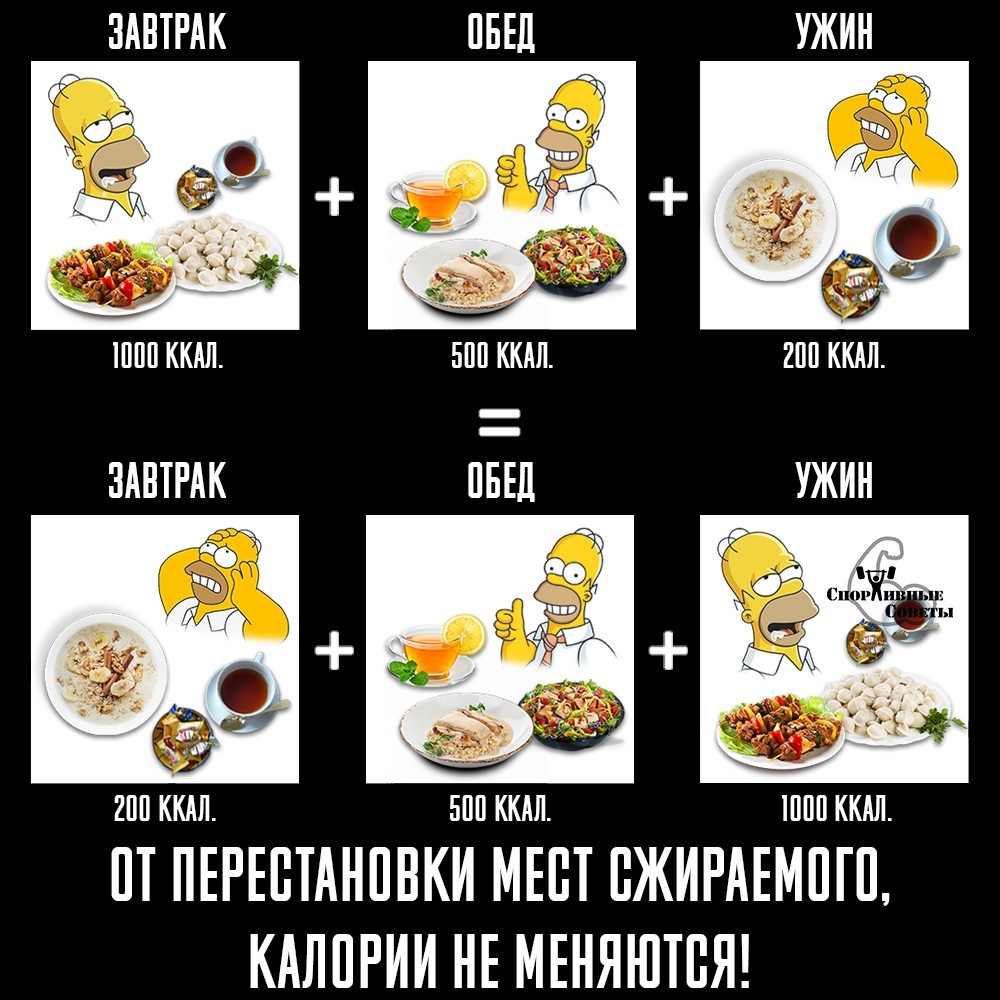
4 обзорных исследования показали позитивную ассоциацию между плотным ужином и ростом ИМТ, в 5 обзорных исследованиях никакой связи не обнаружили, а еще в одном – связь обратную – то есть кто больше ел вечером имел меньше ИМТ. Общий итог метаанализа: нельзя однозначно утверждать, что сам по себе поздний плотный ужин – причина набора веса (да, не так важно, когда именно наедаются калории). Также нет зависимости от того насколько ужин легкий или плотный – значение имел общий объем калорийности.
Так сколько раз в день нужно
есть?
Многочисленные исследования в последние годы показывают
положительный эффект на здоровье широкого
временного окна голодания в течение дня (оно же
периодическое или интервальное голодание), то есть ограничение ежедневного приёма пищи временным
окном около 6-8 часов, по-видимому, даёт людям преимущества для
здоровья .
Но означает ли это, что сокращение приёмов пищи до одного будет ещё лучше? Исходя из принципа умеренности и разнообразия можно предположить, что не стоит укладывать все свои калории в один прием пищи.
Сокращение приёмов пищи до одного в день может ухудшить положительный эффект от более низкой частоты приёма пищи . То есть потребление около трёх приёмов пищи в день, возможно, является лучшим вариантом. И самое главное – оптимум зависит от ваших привычек и желаний .
О времени приема пищи: при питании для снижения веса (то есть удержании небольшого дефицита калорий), никаких преимуществ «плотный» завтрак перед «плотным» ужином не несёт. При этом смещение калорийности на “плотный” ужин не заставляет “вечерние” калории откладываться в жир лучше или хуже “утренних”. То есть снова и снова: имеет значение общее количество калорий, а не их распределение внутри суток.
И если снижение калорийности завтрака, либо его пропуск, могут способствовать снижению веса – то только потому, что это происходит из-за снижения общей суточной калорийности .
Убедительных доказательств того, что поздние приёмы пищи отрицательно влияют на здоровье, либо набор веса (при контроле калорий) нет.
Распределение калорийности на более частые приёмы пищи не “разгоняют” метаболизм и не влияют на вес по сравнению с потреблением этих же калорий в виде более редких и объемных приемов пищи.
При любом раскладе, рекомендуется питаться так, как удобнее вам самим. Если вы привыкли есть часто, и вам так проще контролировать аппетит – пожалуйста! Но если вы привыкли есть 2-3 раза в день, и надеетесь на какие-то преимущества более частых приёмов пищи – напрасно. В любом случае, контроль энергии, как всегда, рулит!
Всем здоровья!
Игорь Молот для Зожника
Упомянутые материалы и исследования:
1. https://pubmed.ncbi.nlm.nih.gov/30925707/ (Antonio Paoli, Grant Tinsley et al. “The Influence of Meal Frequency and Timing on Health in Humans: The Role of Fasting”, Nutrients. 2019 Mar 28;11(4):719. doi: 10.3390/nu11040719.)
2. https://pubmed.ncbi.nlm.nih.gov/23842429/ (Antonio Affinita, Loredana Catalani et al. “Breakfast: a multidisciplinary approach”, Ital J Pediatr. 2013 Jul 10;39:44. doi: 10.1186/1824-7288-39-44.)
3. https://pubmed.ncbi.nlm.nih.gov/25404320/ (Mark P Mattson, David B Allison et al. “Meal frequency and timing in health and disease”, Proc Natl Acad Sci U S A. 2014 Nov 25;111(47):16647-53. doi: 10.1073/pnas.1413965111. Epub 2014 Nov 17.)
4. https://pubmed.ncbi.nlm.nih.gov/30339785/ (Christina Potter, Rebecca L Griggs et al. “Breaking the fast: Meal patterns and beliefs about healthy eating style are associated with adherence to intermittent fasting diets”, Appetite. 2019 Feb 1;133:32-39. doi: 10.1016/j.appet.2018.10.020. Epub 2018 Oct 17.)
5. https://pubmed.ncbi.nlm.nih.gov/15191932/ (Pauline Koh-Banerjee, Youfa Wang et al. “Changes in body weight and body fat distribution as risk factors for clinical diabetes in US men”, Am J Epidemiol. 2004 Jun 15;159(12):1150-9. doi: 10.1093/aje/kwh167.)
6. https://pubmed.ncbi.nlm.nih.gov/29776874/ (Teresa Bigand, Marian Wilson et al. “Examining Risk for Persistent Pain among Adults with Overweight Status”, Pain Manag Nurs. 2018 Oct;19(5):549-556. doi: 10.1016/j.pmn.2018.02.066.)
7. https://pubmed.ncbi.nlm.nih.gov/21872749/ (Boyd A Swinburn, Gary Sacks et al. “The global obesity pandemic: shaped by global drivers and local environments”, Lancet. 2011 Aug 27;378(9793):804-14. doi: 10.1016/S0140-6736(11)60813-1.)
8. https://pubmed.ncbi.nlm.nih.gov/16339599/ (Paul Campos, Abigail Saguy et al. “The epidemiology of overweight and obesity: public health crisis or moral panic?”, Int J Epidemiol. 2006 Feb;35(1):55-60. doi: 10.1093/ije/dyi254. Epub 2005 Dec 8.)
9. https://pubmed.ncbi.nlm.nih.gov/28701389/ (Hana Kahleova, Jan Irene Lloren et al. “Meal Frequency and Timing Are Associated with Changes in Body Mass Index in Adventist Health Study 2”, J Nutr. 2017 Sep;147(9):1722-1728. doi: 10.3945/jn.116.244749. Epub 2017 Jul 12.)
10. https://pubmed.ncbi.nlm.nih.gov/17925472/ (Amber A W A van der Heijden, Frank B Hu et al. “A prospective study of breakfast consumption and weight gain among U.S. men”, Obesity (Silver Spring). 2007 Oct;15(10):2463-9. doi: 10.1038/oby.2007.292.)
11. https://pubmed.ncbi.nlm.nih.gov/16953255/ (N C Howarth, T T-K Huang et al. “Eating patterns and dietary composition in relation to BMI in younger and older adults”, Int J Obes (Lond). 2007 Apr;31(4):675-84. doi: 10.1038/sj.ijo.0803456. Epub 2006 Sep 5.)
12. https://pubmed.ncbi.nlm.nih.gov/22456660/ (Rania A Mekary, Edward Giovannucci et al. “Eating patterns and type 2 diabetes risk in men: breakfast omission, eating frequency, and snacking”, Am J Clin Nutr. 2012 May;95(5):1182-9. doi: 10.3945/ajcn.111.028209. Epub 2012 Mar 28.)
13. https://pubmed.ncbi.nlm.nih.gov/23761483/ (Rania A Mekary, Edward Giovannucci et al. “Eating patterns and type 2 diabetes risk in older women: breakfast consumption and eating frequency”, Am J Clin Nutr. 2013 Aug;98(2):436-43. doi: 10.3945/ajcn.112.057521. Epub 2013 Jun 12.)
14. https://pubmed.ncbi.nlm.nih.gov/11319656/ (M A Taylor, J S Garrow «Compared with nibbling, neither gorging nor a morning fast affect short-term energy balance in obese patients in a chamber calorimeter», Int J Obes Relat Metab Disord. 2001 Apr;25(4):519-28. doi: 10.1038/sj.ijo.0801572.)
15. https://pubmed.ncbi.nlm.nih.gov/7925222/ (S A McGrath, M J Gibney «The effects of altered frequency of eating on plasma lipids in free-living healthy males on normal self-selected diets», Eur J Clin Nutr. 1994 Jun;48(6):402-7.)
16. https://pubmed.ncbi.nlm.nih.gov/8503355/ (P J Jones, C A Leitch, R A Pederson «Meal-frequency effects on plasma hormone concentrations and cholesterol synthesis in humans», Am J Clin Nutr. 1993 Jun;57(6):868-74. doi: 10.1093/ajcn/57.6.868.)
17. https://pubmed.ncbi.nlm.nih.gov/21123465/ (Didier Chapelot «The role of snacking in energy balance: a biobehavioral approach», J Nutr. 2011 Jan;141(1):158-62. doi: 10.3945/jn.109.114330. Epub 2010 Dec 1.)
18. https://pubmed.ncbi.nlm.nih.gov/20339363/ (Heather J Leidy, Cheryl L H Armstrong et al. “The influence of higher protein intake and greater eating frequency on appetite control in overweight and obese men”, Obesity (Silver Spring). 2010 Sep;18(9):1725-32. doi: 10.1038/oby.2010.45. Epub 2010 Mar 25.)
19. https://pubmed.ncbi.nlm.nih.gov/28369078/ (Lenka Belinova, Hana Kahleova et al. “The effect of meal frequency in a reduced-energy regimen on the gastrointestinal and appetite hormones in patients with type 2 diabetes: A randomised crossover study”, PLoS One. 2017 Apr 3;12(4):e0174820. doi: 10.1371/journal.pone.0174820. eCollection 2017.)
20. https://pubmed.ncbi.nlm.nih.gov/25698989/ (Antonio Paoli, Gerardo Bosco et al. “Ketosis, ketogenic diet and food intake control: a complex relationship”, Front Psychol. 2015 Feb 2;6:27. doi: 10.3389/fpsyg.2015.00027. eCollection 2015.)
21. https://pubmed.ncbi.nlm.nih.gov/25231499/ (Jill A Kanaley, Timothy D Heden et al. “Alteration of postprandial glucose and insulin concentrations with meal frequency and composition”, Br J Nutr. 2014 Nov 14;112(9):1484-93. doi: 10.1017/S0007114514002128. Epub 2014 Sep 18. )
22. https://pubmed.ncbi.nlm.nih.gov/21241465/ (Volker Schusdziarra, Margit Hausmann et al. “Impact of breakfast on daily energy intake–an analysis of absolute versus relative breakfast calories”, Nutr J. 2011 Jan 17;10:5. doi: 10.1186/1475-2891-10-5.)
23. https://pubmed.ncbi.nlm.nih.gov/24898236/ (Emily J Dhurandhar, John Dawson et al. “The effectiveness of breakfast recommendations on weight loss: a randomized controlled trial”, Am J Clin Nutr. 2014 Aug;100(2):507-13. doi: 10.3945/ajcn.114.089573. Epub 2014 Jun 4.)
24. https://pubmed.ncbi.nlm.nih.gov/23877060/ (Leah E Cahill, Stephanie E Chiuve et al. “Prospective study of breakfast eating and incident coronary heart disease in a cohort of male US health professionals”, Circulation. 2013 Jul 23;128(4):337-43. doi: 10.1161/CIRCULATIONAHA.113.001474.)
25. https://pubmed.ncbi.nlm.nih.gov/28967343/ (Mackenzie Fong, Ian D Caterson, Claire D Madigan «Are large dinners associated with excess weight, and does eating a smaller dinner achieve greater weight loss? A systematic review and meta-analysis», Br J Nutr. 2017 Oct;118(😎:616-628. doi: 10.1017/S0007114517002550. Epub 2017 Oct 2.)
26. https://pubmed.ncbi.nlm.nih.gov/17998028/ (Olga Carlson, Bronwen Martin et al. “Impact of reduced meal frequency without caloric restriction on glucose regulation in healthy, normal-weight middle-aged men and women”, Metabolism. 2007 Dec;56(12):1729-34. doi: 10.1016/j.metabol.2007.07.018.)
27. https://pubmed.ncbi.nlm.nih.gov/17413096/ (Kim S Stote, David J Baer, Karen Spears et al. “A controlled trial of reduced meal frequency without caloric restriction in healthy, normal-weight, middle-aged adults”, Am J Clin Nutr. 2007 Apr;85(4):981-8. doi: 10.1093/ajcn/85.4.981.)
28. https://pubmed.ncbi.nlm.nih.gov/24739093/ (Jeff Rothschild, Kristin K Hoddy et al. “Time-restricted feeding and risk of metabolic disease: a review of human and animal studies”, Nutr Rev. 2014 May;72(5):308-18. doi: 10.1111/nure.12104. Epub 2014 Apr 16.)
29. https://pubmed.ncbi.nlm.nih.gov/24440038/ (Valter D Longo, Mark P Mattson «Fasting: molecular mechanisms and clinical applications», Cell Metab. 2014 Feb 4;19(2):181-92. doi: 10.1016/j.cmet.2013.12.008. Epub 2014 Jan 16.)
Но означает ли это, что сокращение приёмов пищи до одного будет ещё лучше? Исходя из принципа умеренности и разнообразия можно предположить, что не стоит укладывать все свои калории в один прием пищи.
Сокращение приёмов пищи до одного в день может ухудшить положительный эффект от более низкой частоты приёма пищи . То есть потребление около трёх приёмов пищи в день, возможно, является лучшим вариантом. И самое главное – оптимум зависит от ваших привычек и желаний .
О времени приема пищи: при питании для снижения веса (то есть удержании небольшого дефицита калорий), никаких преимуществ «плотный» завтрак перед «плотным» ужином не несёт. При этом смещение калорийности на “плотный” ужин не заставляет “вечерние” калории откладываться в жир лучше или хуже “утренних”. То есть снова и снова: имеет значение общее количество калорий, а не их распределение внутри суток.
И если снижение калорийности завтрака, либо его пропуск, могут способствовать снижению веса – то только потому, что это происходит из-за снижения общей суточной калорийности .
Убедительных доказательств того, что поздние приёмы пищи отрицательно влияют на здоровье, либо набор веса (при контроле калорий) нет.
Распределение калорийности на более частые приёмы пищи не “разгоняют” метаболизм и не влияют на вес по сравнению с потреблением этих же калорий в виде более редких и объемных приемов пищи.
При любом раскладе, рекомендуется питаться так, как удобнее вам самим. Если вы привыкли есть часто, и вам так проще контролировать аппетит – пожалуйста! Но если вы привыкли есть 2-3 раза в день, и надеетесь на какие-то преимущества более частых приёмов пищи – напрасно. В любом случае, контроль энергии, как всегда, рулит!
Всем здоровья!
Игорь Молот для Зожника
Упомянутые материалы и исследования:
1. https://pubmed.ncbi.nlm.nih.gov/30925707/ (Antonio Paoli, Grant Tinsley et al. “The Influence of Meal Frequency and Timing on Health in Humans: The Role of Fasting”, Nutrients. 2019 Mar 28;11(4):719. doi: 10.3390/nu11040719.)
2. https://pubmed.ncbi.nlm.nih.gov/23842429/ (Antonio Affinita, Loredana Catalani et al. “Breakfast: a multidisciplinary approach”, Ital J Pediatr. 2013 Jul 10;39:44. doi: 10.1186/1824-7288-39-44.)
3. https://pubmed.ncbi.nlm.nih.gov/25404320/ (Mark P Mattson, David B Allison et al. “Meal frequency and timing in health and disease”, Proc Natl Acad Sci U S A. 2014 Nov 25;111(47):16647-53. doi: 10.1073/pnas.1413965111. Epub 2014 Nov 17.)
4. https://pubmed.ncbi.nlm.nih.gov/30339785/ (Christina Potter, Rebecca L Griggs et al. “Breaking the fast: Meal patterns and beliefs about healthy eating style are associated with adherence to intermittent fasting diets”, Appetite. 2019 Feb 1;133:32-39. doi: 10.1016/j.appet.2018.10.020. Epub 2018 Oct 17.)
5. https://pubmed.ncbi.nlm.nih.gov/15191932/ (Pauline Koh-Banerjee, Youfa Wang et al. “Changes in body weight and body fat distribution as risk factors for clinical diabetes in US men”, Am J Epidemiol. 2004 Jun 15;159(12):1150-9. doi: 10.1093/aje/kwh167.)
6. https://pubmed.ncbi.nlm.nih.gov/29776874/ (Teresa Bigand, Marian Wilson et al. “Examining Risk for Persistent Pain among Adults with Overweight Status”, Pain Manag Nurs. 2018 Oct;19(5):549-556. doi: 10.1016/j.pmn.2018.02.066.)
7. https://pubmed.ncbi.nlm.nih.gov/21872749/ (Boyd A Swinburn, Gary Sacks et al. “The global obesity pandemic: shaped by global drivers and local environments”, Lancet. 2011 Aug 27;378(9793):804-14. doi: 10.1016/S0140-6736(11)60813-1.)
8. https://pubmed.ncbi.nlm.nih.gov/16339599/ (Paul Campos, Abigail Saguy et al. “The epidemiology of overweight and obesity: public health crisis or moral panic?”, Int J Epidemiol. 2006 Feb;35(1):55-60. doi: 10.1093/ije/dyi254. Epub 2005 Dec 8.)
9. https://pubmed.ncbi.nlm.nih.gov/28701389/ (Hana Kahleova, Jan Irene Lloren et al. “Meal Frequency and Timing Are Associated with Changes in Body Mass Index in Adventist Health Study 2”, J Nutr. 2017 Sep;147(9):1722-1728. doi: 10.3945/jn.116.244749. Epub 2017 Jul 12.)
10. https://pubmed.ncbi.nlm.nih.gov/17925472/ (Amber A W A van der Heijden, Frank B Hu et al. “A prospective study of breakfast consumption and weight gain among U.S. men”, Obesity (Silver Spring). 2007 Oct;15(10):2463-9. doi: 10.1038/oby.2007.292.)
11. https://pubmed.ncbi.nlm.nih.gov/16953255/ (N C Howarth, T T-K Huang et al. “Eating patterns and dietary composition in relation to BMI in younger and older adults”, Int J Obes (Lond). 2007 Apr;31(4):675-84. doi: 10.1038/sj.ijo.0803456. Epub 2006 Sep 5.)
12. https://pubmed.ncbi.nlm.nih.gov/22456660/ (Rania A Mekary, Edward Giovannucci et al. “Eating patterns and type 2 diabetes risk in men: breakfast omission, eating frequency, and snacking”, Am J Clin Nutr. 2012 May;95(5):1182-9. doi: 10.3945/ajcn.111.028209. Epub 2012 Mar 28.)
13. https://pubmed.ncbi.nlm.nih.gov/23761483/ (Rania A Mekary, Edward Giovannucci et al. “Eating patterns and type 2 diabetes risk in older women: breakfast consumption and eating frequency”, Am J Clin Nutr. 2013 Aug;98(2):436-43. doi: 10.3945/ajcn.112.057521. Epub 2013 Jun 12.)
14. https://pubmed.ncbi.nlm.nih.gov/11319656/ (M A Taylor, J S Garrow «Compared with nibbling, neither gorging nor a morning fast affect short-term energy balance in obese patients in a chamber calorimeter», Int J Obes Relat Metab Disord. 2001 Apr;25(4):519-28. doi: 10.1038/sj.ijo.0801572.)
15. https://pubmed.ncbi.nlm.nih.gov/7925222/ (S A McGrath, M J Gibney «The effects of altered frequency of eating on plasma lipids in free-living healthy males on normal self-selected diets», Eur J Clin Nutr. 1994 Jun;48(6):402-7.)
16. https://pubmed.ncbi.nlm.nih.gov/8503355/ (P J Jones, C A Leitch, R A Pederson «Meal-frequency effects on plasma hormone concentrations and cholesterol synthesis in humans», Am J Clin Nutr. 1993 Jun;57(6):868-74. doi: 10.1093/ajcn/57.6.868.)
17. https://pubmed.ncbi.nlm.nih.gov/21123465/ (Didier Chapelot «The role of snacking in energy balance: a biobehavioral approach», J Nutr. 2011 Jan;141(1):158-62. doi: 10.3945/jn.109.114330. Epub 2010 Dec 1.)
18. https://pubmed.ncbi.nlm.nih.gov/20339363/ (Heather J Leidy, Cheryl L H Armstrong et al. “The influence of higher protein intake and greater eating frequency on appetite control in overweight and obese men”, Obesity (Silver Spring). 2010 Sep;18(9):1725-32. doi: 10.1038/oby.2010.45. Epub 2010 Mar 25.)
19. https://pubmed.ncbi.nlm.nih.gov/28369078/ (Lenka Belinova, Hana Kahleova et al. “The effect of meal frequency in a reduced-energy regimen on the gastrointestinal and appetite hormones in patients with type 2 diabetes: A randomised crossover study”, PLoS One. 2017 Apr 3;12(4):e0174820. doi: 10.1371/journal.pone.0174820. eCollection 2017.)
20. https://pubmed.ncbi.nlm.nih.gov/25698989/ (Antonio Paoli, Gerardo Bosco et al. “Ketosis, ketogenic diet and food intake control: a complex relationship”, Front Psychol. 2015 Feb 2;6:27. doi: 10.3389/fpsyg.2015.00027. eCollection 2015.)
21. https://pubmed.ncbi.nlm.nih.gov/25231499/ (Jill A Kanaley, Timothy D Heden et al. “Alteration of postprandial glucose and insulin concentrations with meal frequency and composition”, Br J Nutr. 2014 Nov 14;112(9):1484-93. doi: 10.1017/S0007114514002128. Epub 2014 Sep 18. )
22. https://pubmed.ncbi.nlm.nih.gov/21241465/ (Volker Schusdziarra, Margit Hausmann et al. “Impact of breakfast on daily energy intake–an analysis of absolute versus relative breakfast calories”, Nutr J. 2011 Jan 17;10:5. doi: 10.1186/1475-2891-10-5.)
23. https://pubmed.ncbi.nlm.nih.gov/24898236/ (Emily J Dhurandhar, John Dawson et al. “The effectiveness of breakfast recommendations on weight loss: a randomized controlled trial”, Am J Clin Nutr. 2014 Aug;100(2):507-13. doi: 10.3945/ajcn.114.089573. Epub 2014 Jun 4.)
24. https://pubmed.ncbi.nlm.nih.gov/23877060/ (Leah E Cahill, Stephanie E Chiuve et al. “Prospective study of breakfast eating and incident coronary heart disease in a cohort of male US health professionals”, Circulation. 2013 Jul 23;128(4):337-43. doi: 10.1161/CIRCULATIONAHA.113.001474.)
25. https://pubmed.ncbi.nlm.nih.gov/28967343/ (Mackenzie Fong, Ian D Caterson, Claire D Madigan «Are large dinners associated with excess weight, and does eating a smaller dinner achieve greater weight loss? A systematic review and meta-analysis», Br J Nutr. 2017 Oct;118(😎:616-628. doi: 10.1017/S0007114517002550. Epub 2017 Oct 2.)
26. https://pubmed.ncbi.nlm.nih.gov/17998028/ (Olga Carlson, Bronwen Martin et al. “Impact of reduced meal frequency without caloric restriction on glucose regulation in healthy, normal-weight middle-aged men and women”, Metabolism. 2007 Dec;56(12):1729-34. doi: 10.1016/j.metabol.2007.07.018.)
27. https://pubmed.ncbi.nlm.nih.gov/17413096/ (Kim S Stote, David J Baer, Karen Spears et al. “A controlled trial of reduced meal frequency without caloric restriction in healthy, normal-weight, middle-aged adults”, Am J Clin Nutr. 2007 Apr;85(4):981-8. doi: 10.1093/ajcn/85.4.981.)
28. https://pubmed.ncbi.nlm.nih.gov/24739093/ (Jeff Rothschild, Kristin K Hoddy et al. “Time-restricted feeding and risk of metabolic disease: a review of human and animal studies”, Nutr Rev. 2014 May;72(5):308-18. doi: 10.1111/nure.12104. Epub 2014 Apr 16.)
29. https://pubmed.ncbi.nlm.nih.gov/24440038/ (Valter D Longo, Mark P Mattson «Fasting: molecular mechanisms and clinical applications», Cell Metab. 2014 Feb 4;19(2):181-92. doi: 10.1016/j.cmet.2013.12.008. Epub 2014 Jan 16.)
Тренер
и автор паблика “Спортивные советы” Игорь Молот собрал для
Зожника исследования о том, сколько раз в день есть - лучше всего
для похудения и здоровья.
4
14


Интересные блоги

Счастливчик Джек
09.10.2026
Новое приложение
Попробовал новое приложение зожника и зае… зое… за...
3
13

sera
05.10.2026
Дневник питания за 04.10.2026
Походила по лестнице. Опять провал. МОжно припарко...
3
4
sera
08.10.2026
Дневник питания за 07.10.2026
Кажется, все окна я вымыть не успела. Обещают в су...
3
4

Полина
07.10.2026
Дневник питания за 06.10.2026
▪️Подсела я на куриный фарш с соусами (типа барбек...
1
5
Новые рецепты